A Strange Vessel.
Near Palomtrina, North-East of Remas
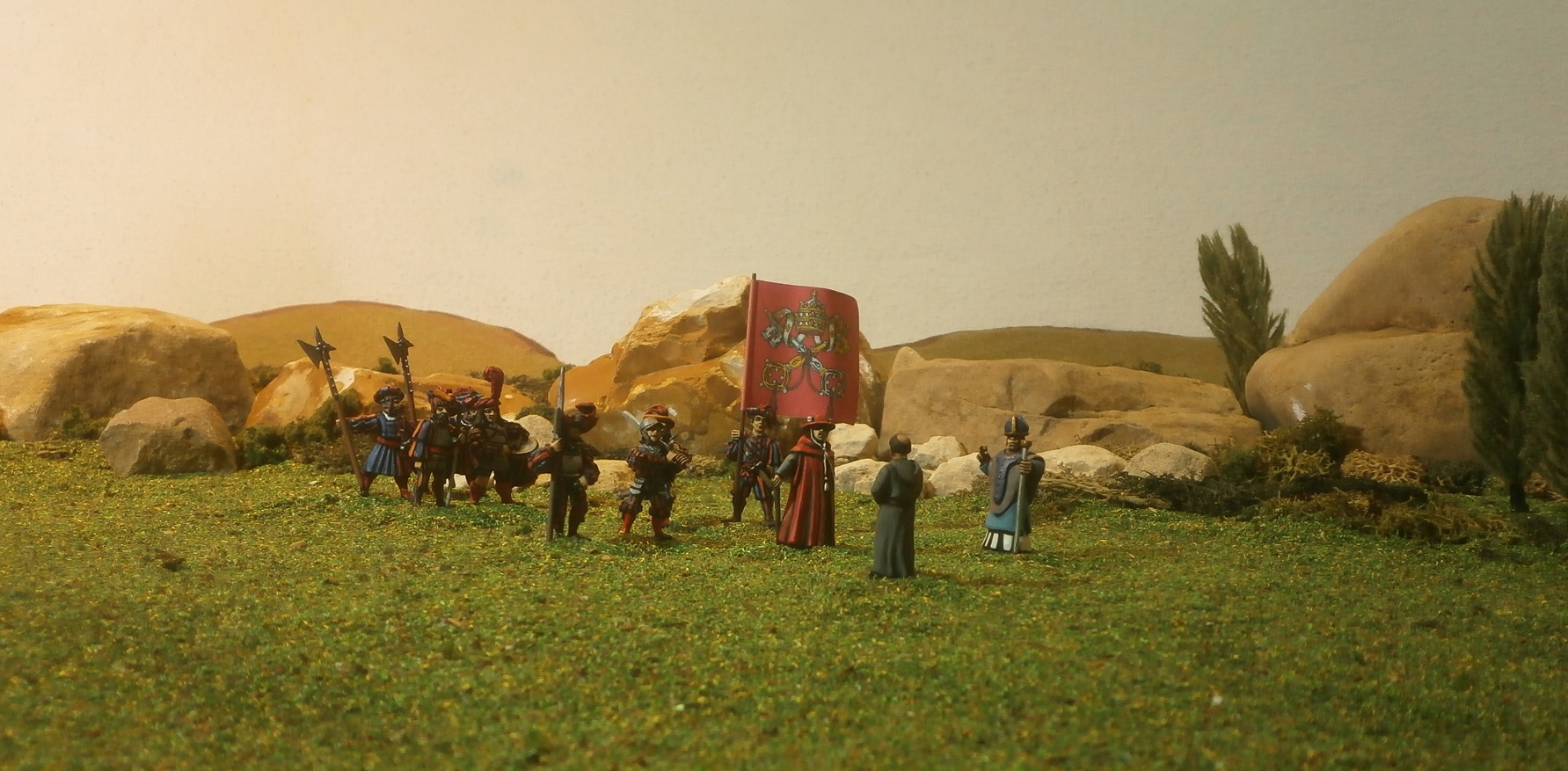
After three hours of blessing the dead, praying with the wounded and praising the soldiers for their brave service and all this immediately after commanding his army in battle against a veritable horde, his holiness Bernado Ugolini was beginning to flag. When a messenger begged for an audience, he was too tired to know if he was grateful for the distraction or frustrated at yet another matter requiring his attention.
Bernado could not recall the messenger’s name but knew the young cleric had been assigned to the maestro’s staff, due to his particular interest in natural philosophy.
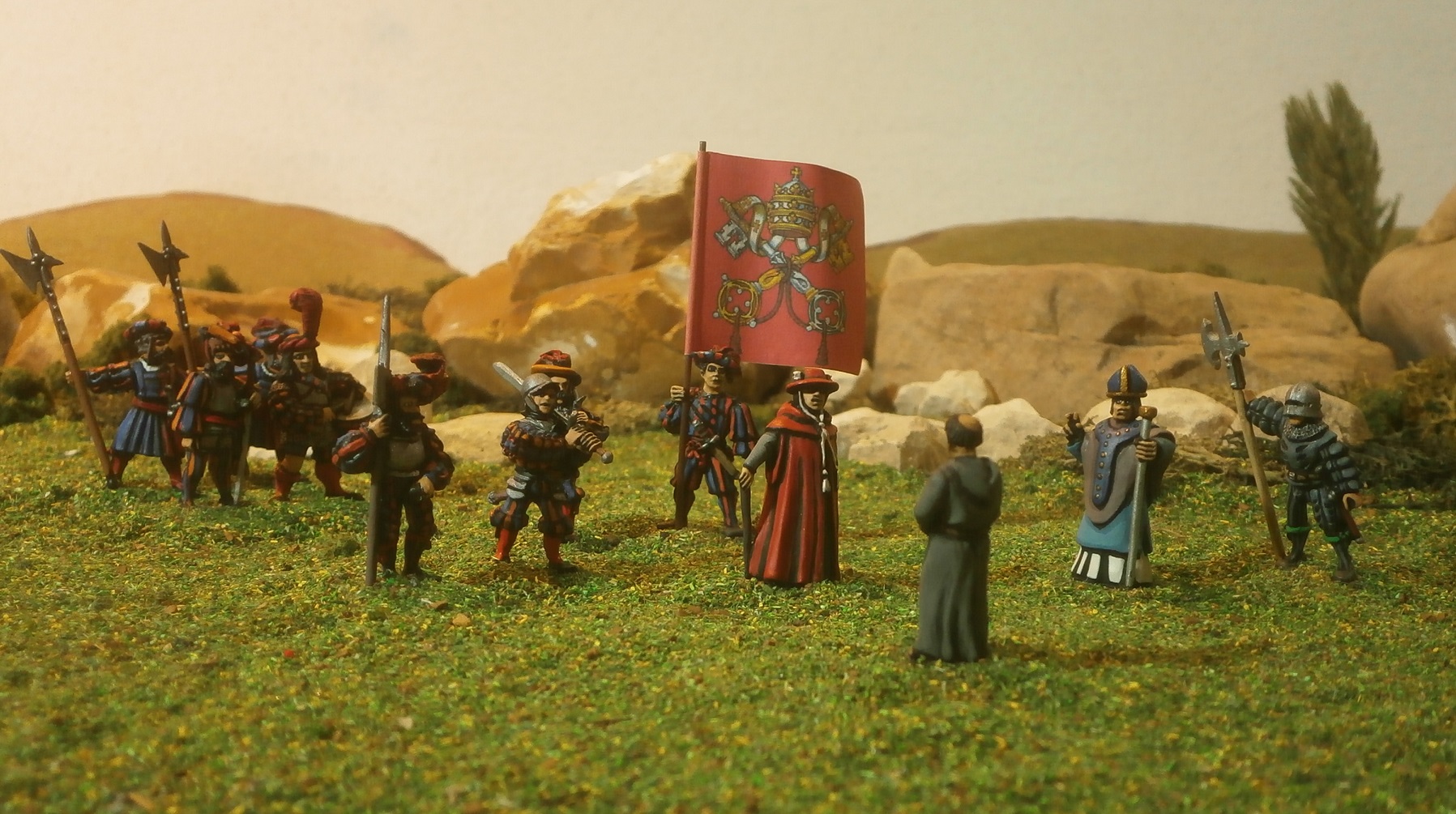
“Well met, good father,” said Bernado. “You have something to tell me?”
“Yes, your holiness. His honour, da Leoni, asks that you attend him, concerning a matter of considerable importance.”
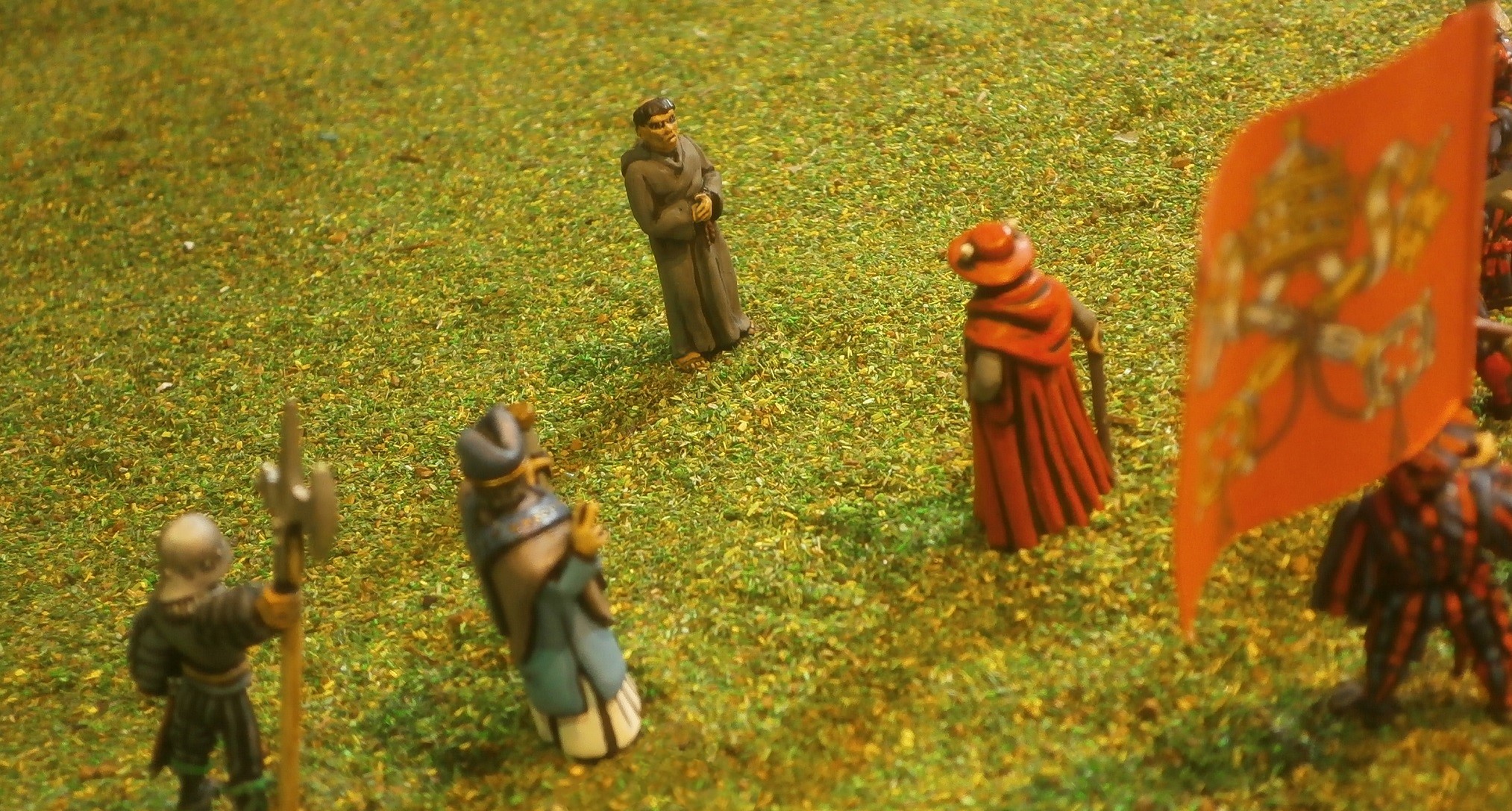
Since the battle ended, as far as Bernado knew, the maestro had been inspecting the enemy’s doom-bombard, the terror weapon they had hauled from their underpasses to threaten the lives of every Reman citizen.
Before he could speak, the high priest of the Mercopian church, Flavio Tognazzi, asked the messenger,
“The maestro – I take it, he is still with the engine?”
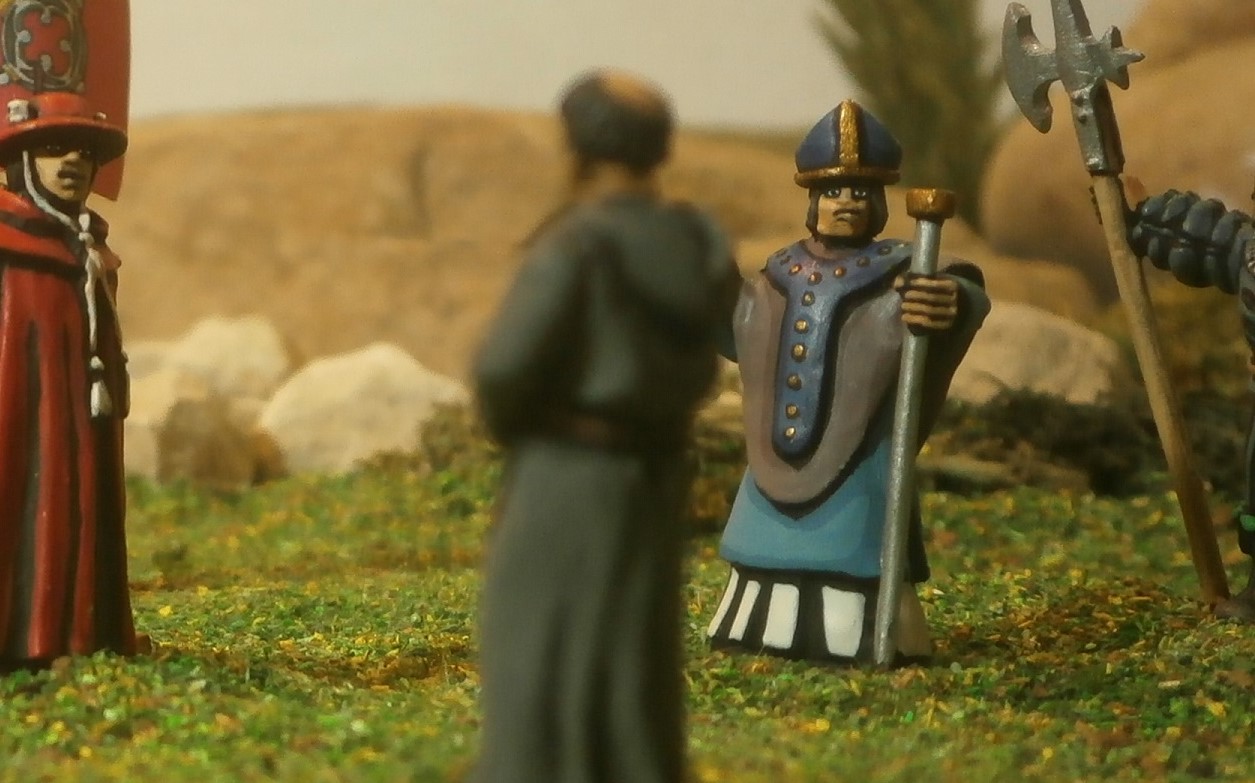
“Yes, father,” said the messenger.
“Then,” continued Tognazzi, a hint of derision evident in his voice, “considering the engine’s terrible potential and the mortal danger of merely approaching it, I suggest that the maestro should bring himself hither, rather than presuming to risk his holiness’s health, indeed his life.”
Bernado was aware of the fear the entire army felt concerning the bombard’s proximity. Its smaller predecessor had reportedly killed almost everyone within several thousand braccia. Yet, of course, the maestro would know this too. Indeed, what with his mathematical, architectural and mechanical genius, he would surely understand the consequences on a level others could never comprehend.
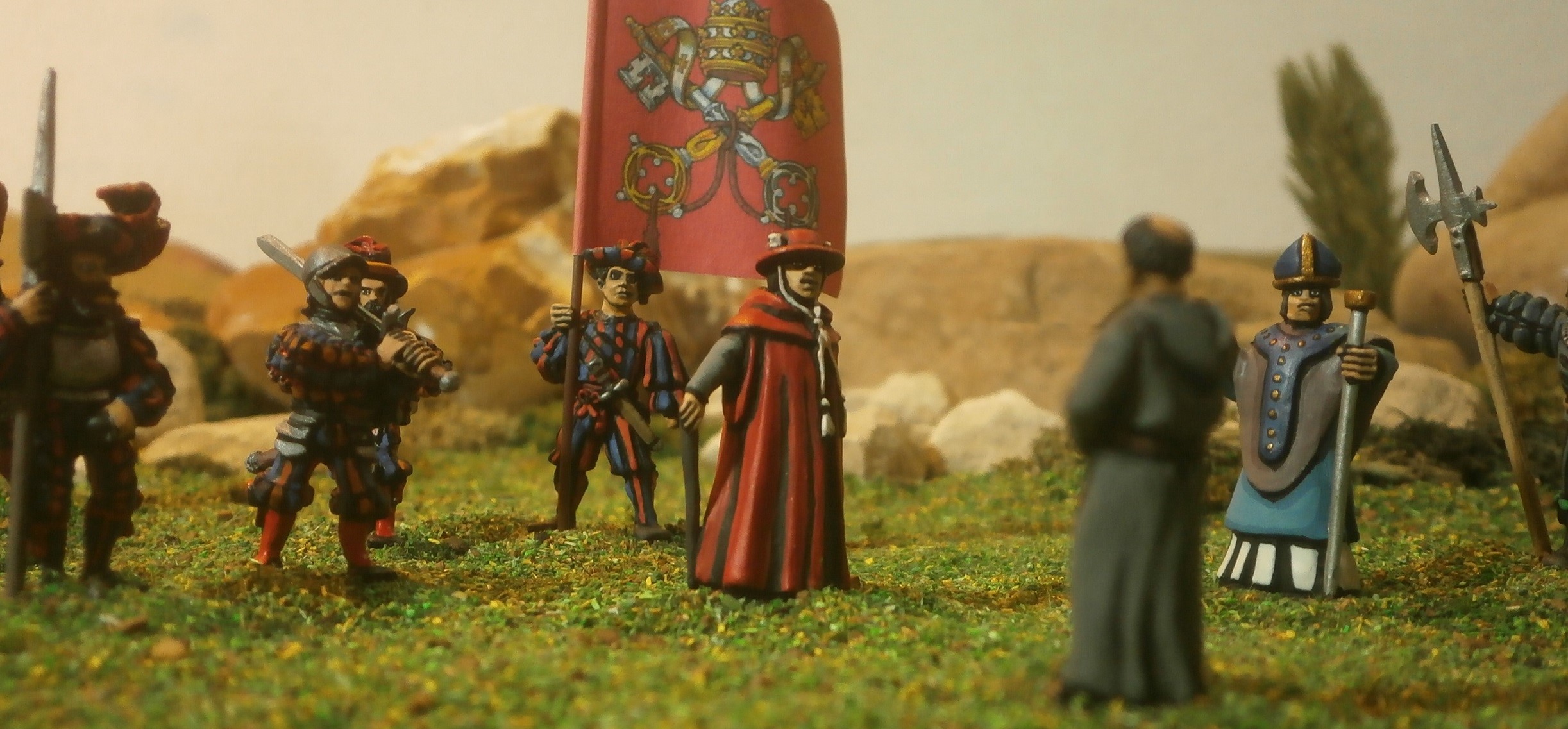
“Good father,” enquired Bernado. “Did Angelo ask that I attend him directly, at the engine?”
“He did, your honour.”
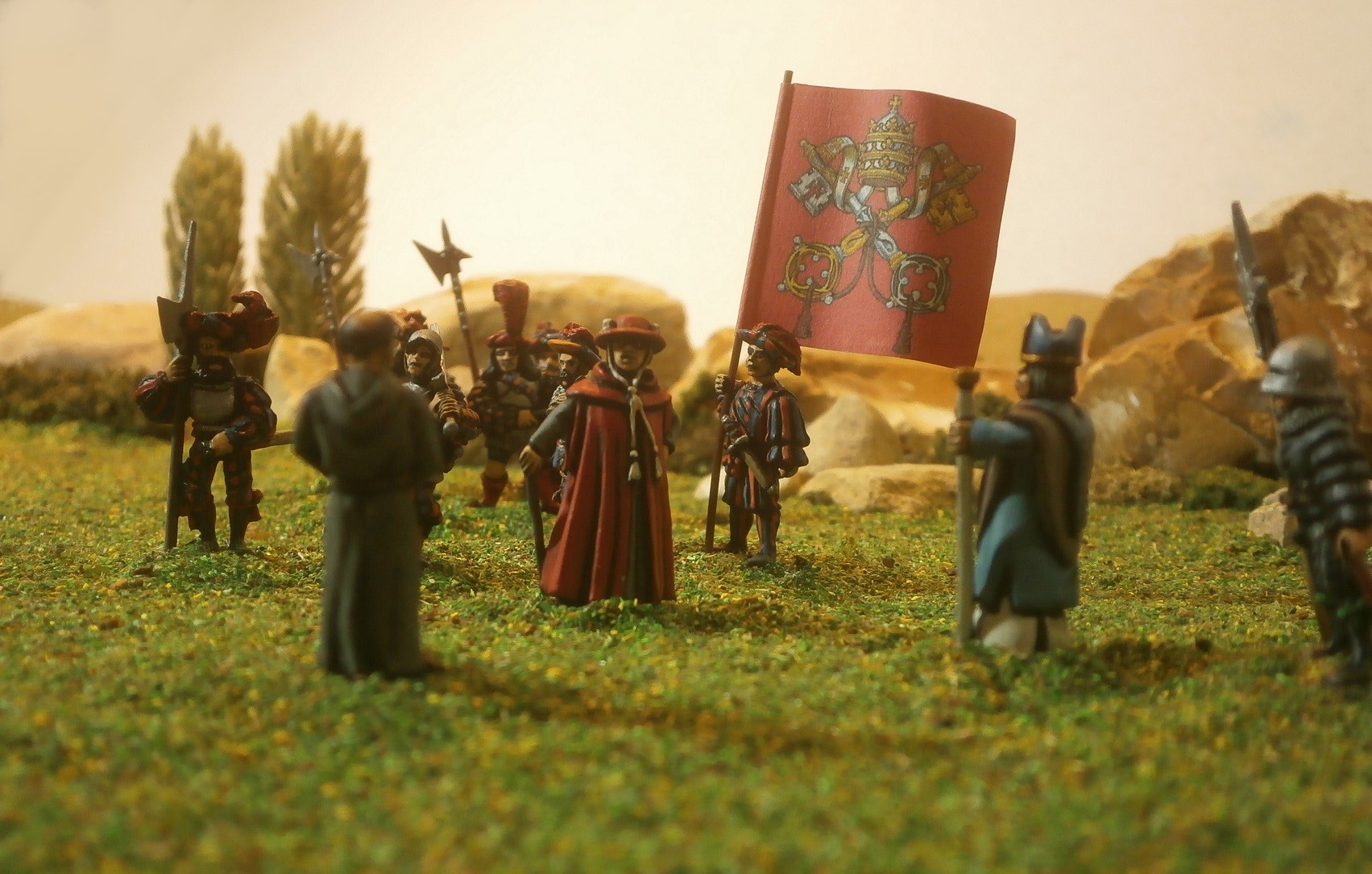
“Then it seems to me that he must believe it is safe to do so.”
Tognazzi looked uncomfortable. “Such a man as the maestro might think it reasonable to take risks with his own life, and undoubtedly does so regularly within his own studio, what with his experiments and procedures, but he asks too much if he thinks his holiness should place himself at risk.”
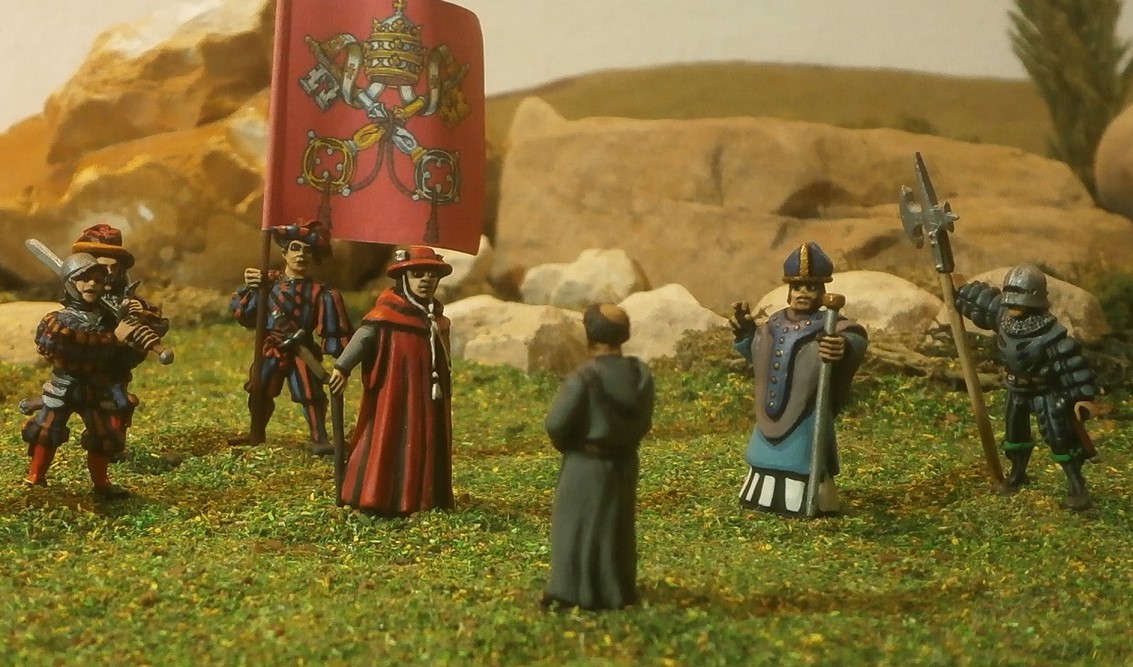
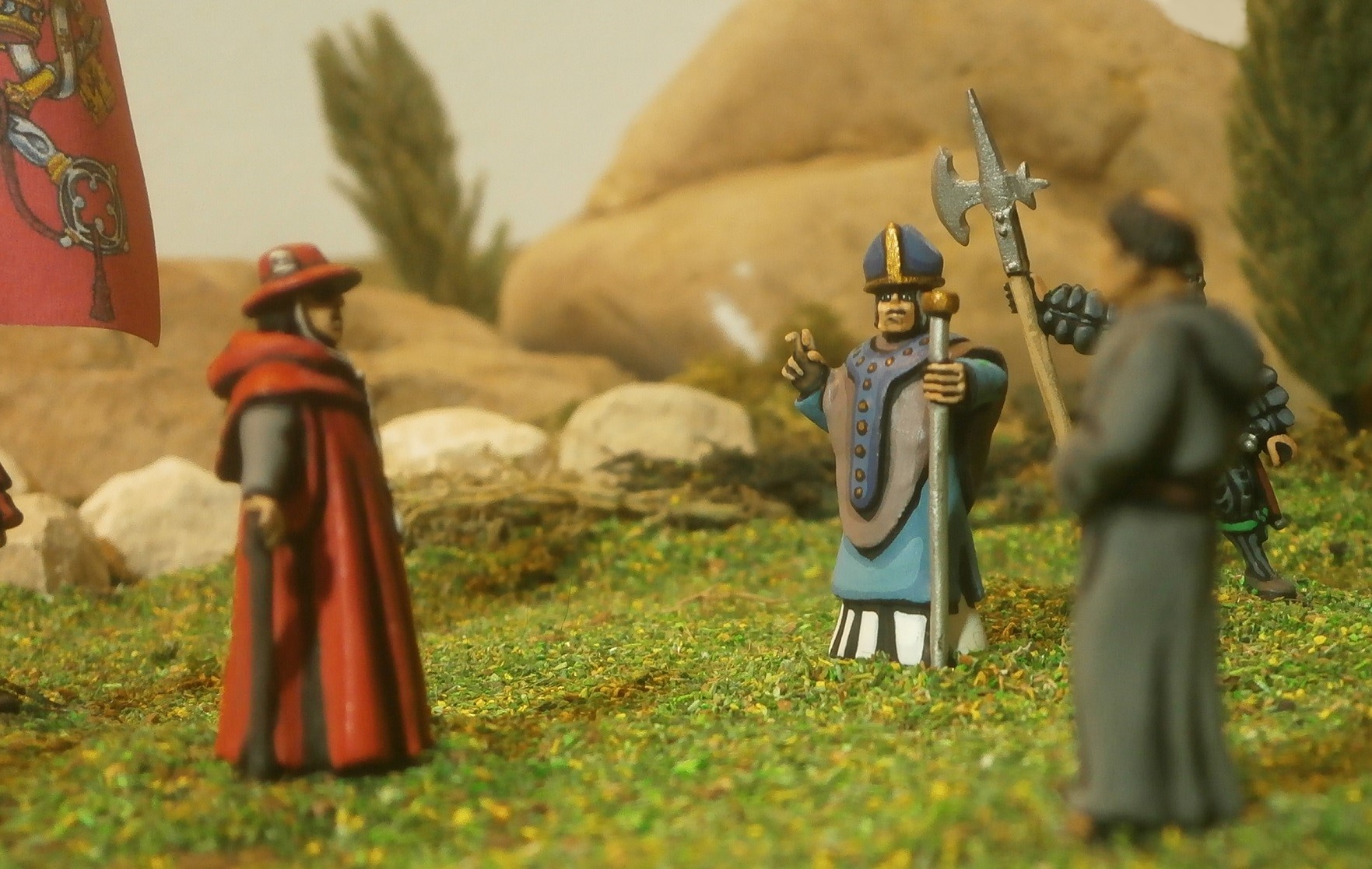
Bernado turned to Tognazzi. “Do not worry yourself, Father Flavio. Angelo is the one person I trust most when it comes to such matters. He, more than any other, is best equipped to ascertain the true nature and extent of such potential dangers.”
…
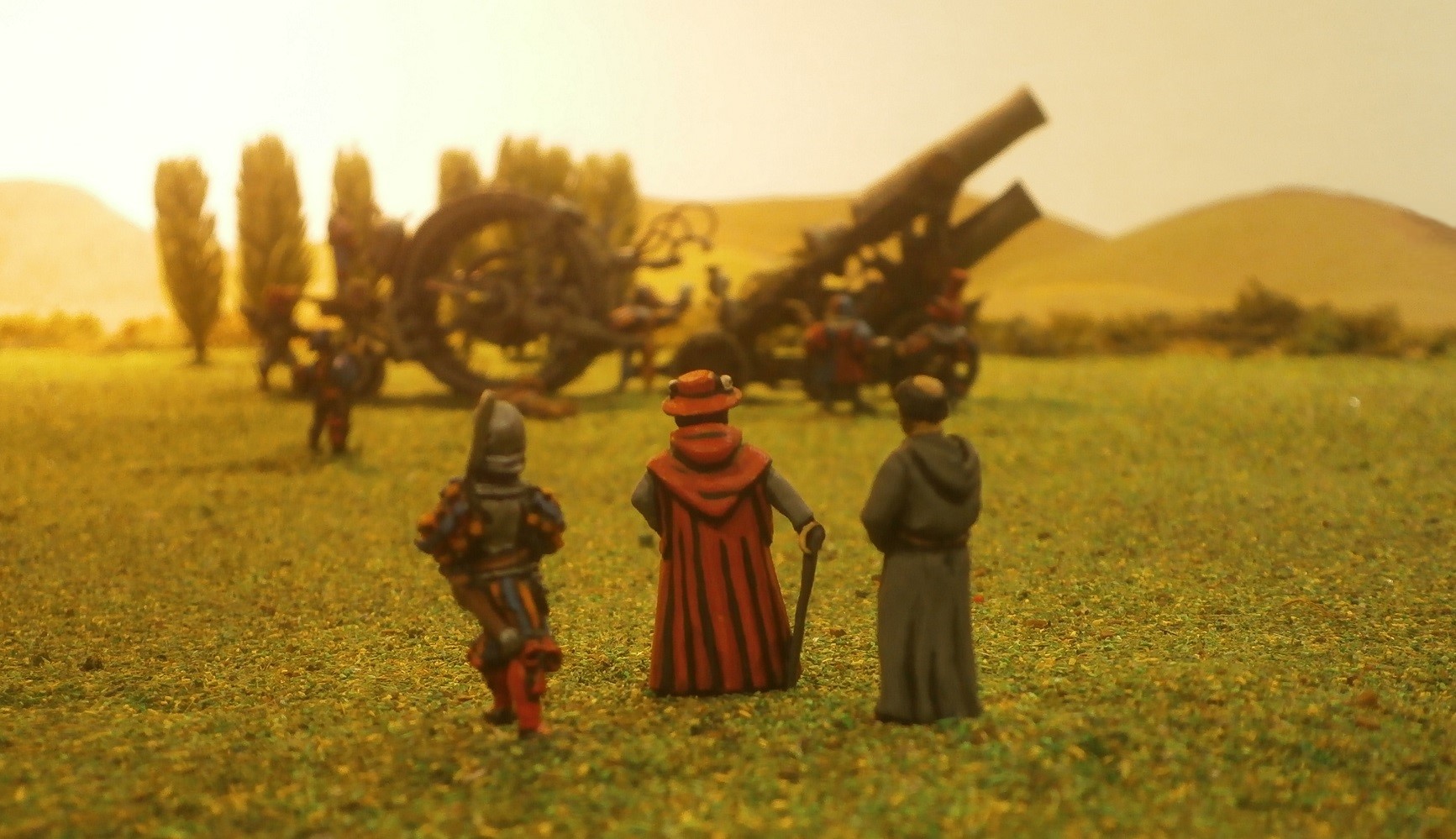
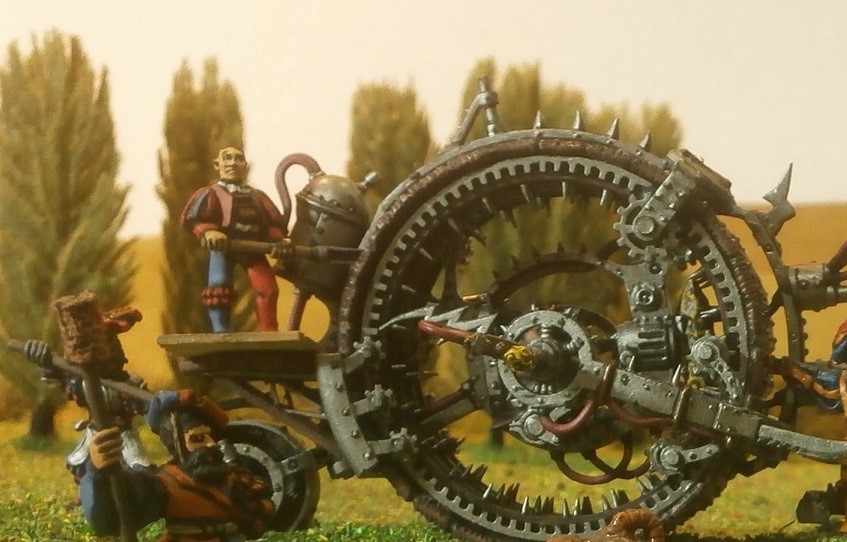
As he approached the engine, which stood exactly where it had ground to a halt when Father Uguccione and the bravi attacked it, he sensed immediately that the maestro and his companions seemed somewhat excitable. They stood close to the engine, some even clambering around it. Bernado had half expected to see buckets of water gathered close by, all the better to extinguish a sudden fire, sooth burns or even just cool some part of the engine that was beginning to boil. He had very much expected some sort of scaffolding erected around it to allow safe inspection of all its parts, or perhaps guy ropes pegging it firmly in place, to ensure it could not topple. Yet there was nothing.
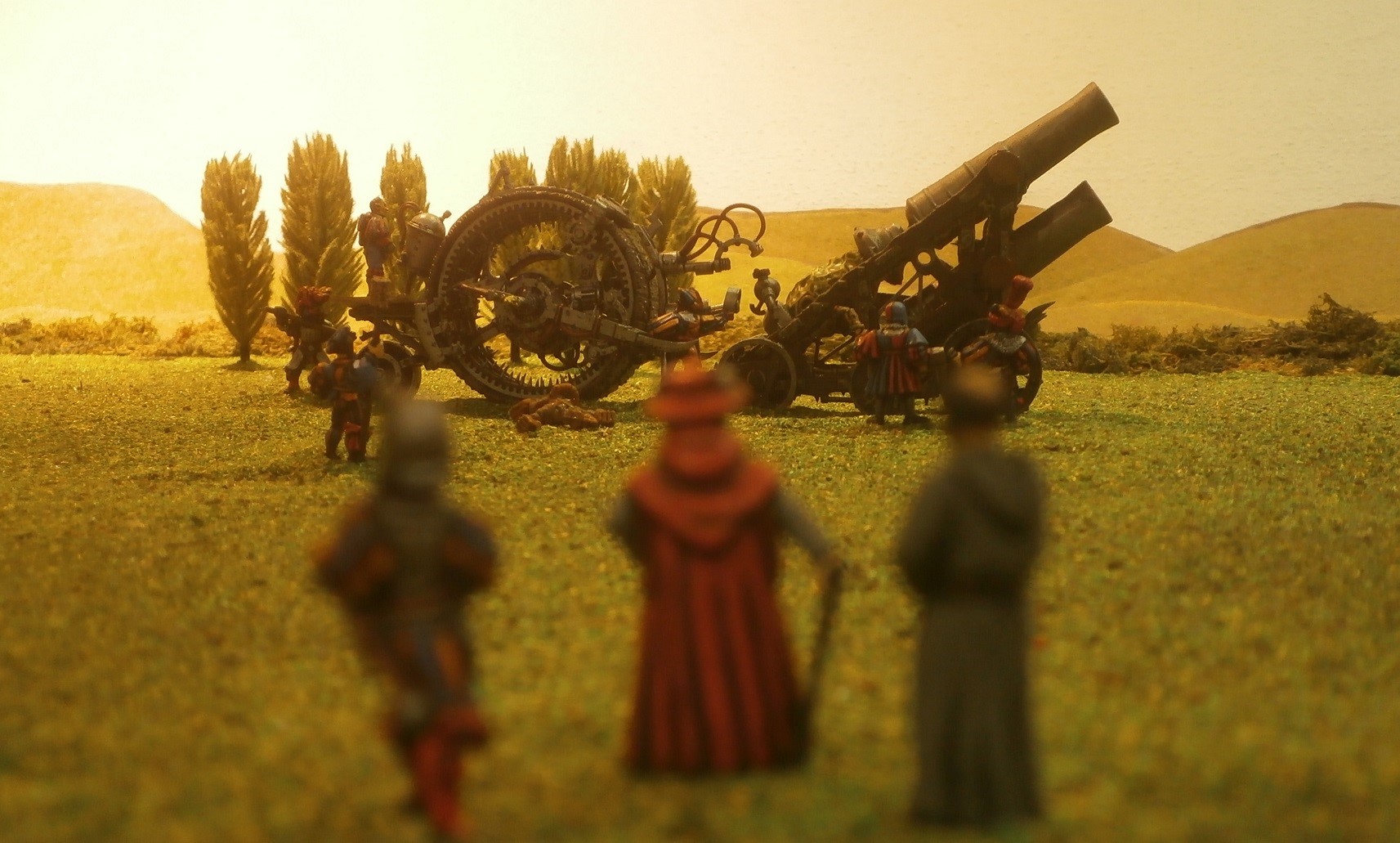
The reports concerning the engine’s predecessor had described how it poisoned the ground over which it passed, to a depth of several feet, killing both beast and flower, grass and insect, even the trees it trundled past upon its journey.
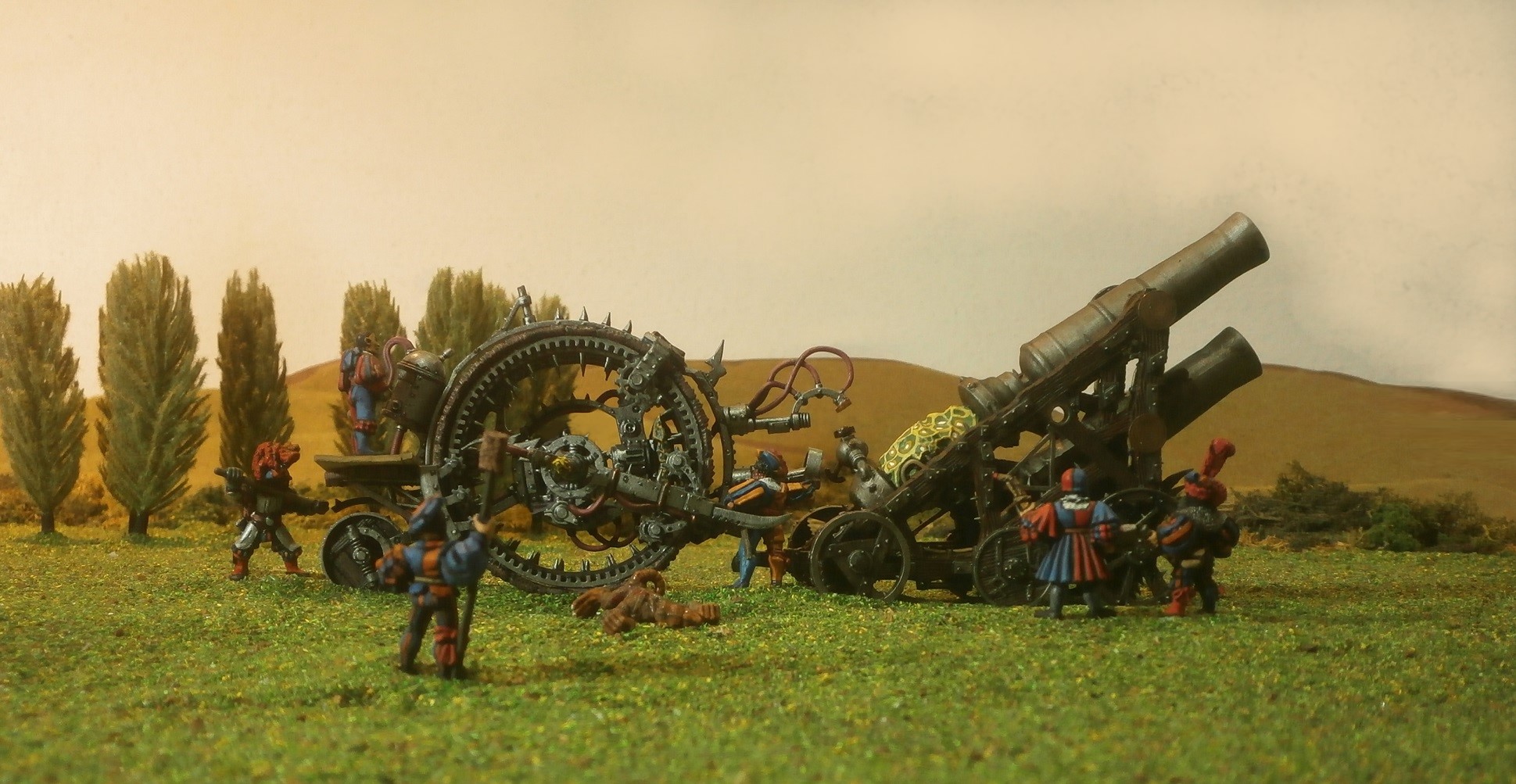
Here the grass was unscathed, apart from where the weight of the great wheel propelling the engine had churned the ground – which was no more than what the maestro’s steam tank had done, and only little more damage than that which might result from passage of a company of mounted men at arms.
“Your holiness!” hailed the maestro, perhaps having sensed the trepidation in the approaching party. “Fear not and approach. I can assure you it is safe to do so.”
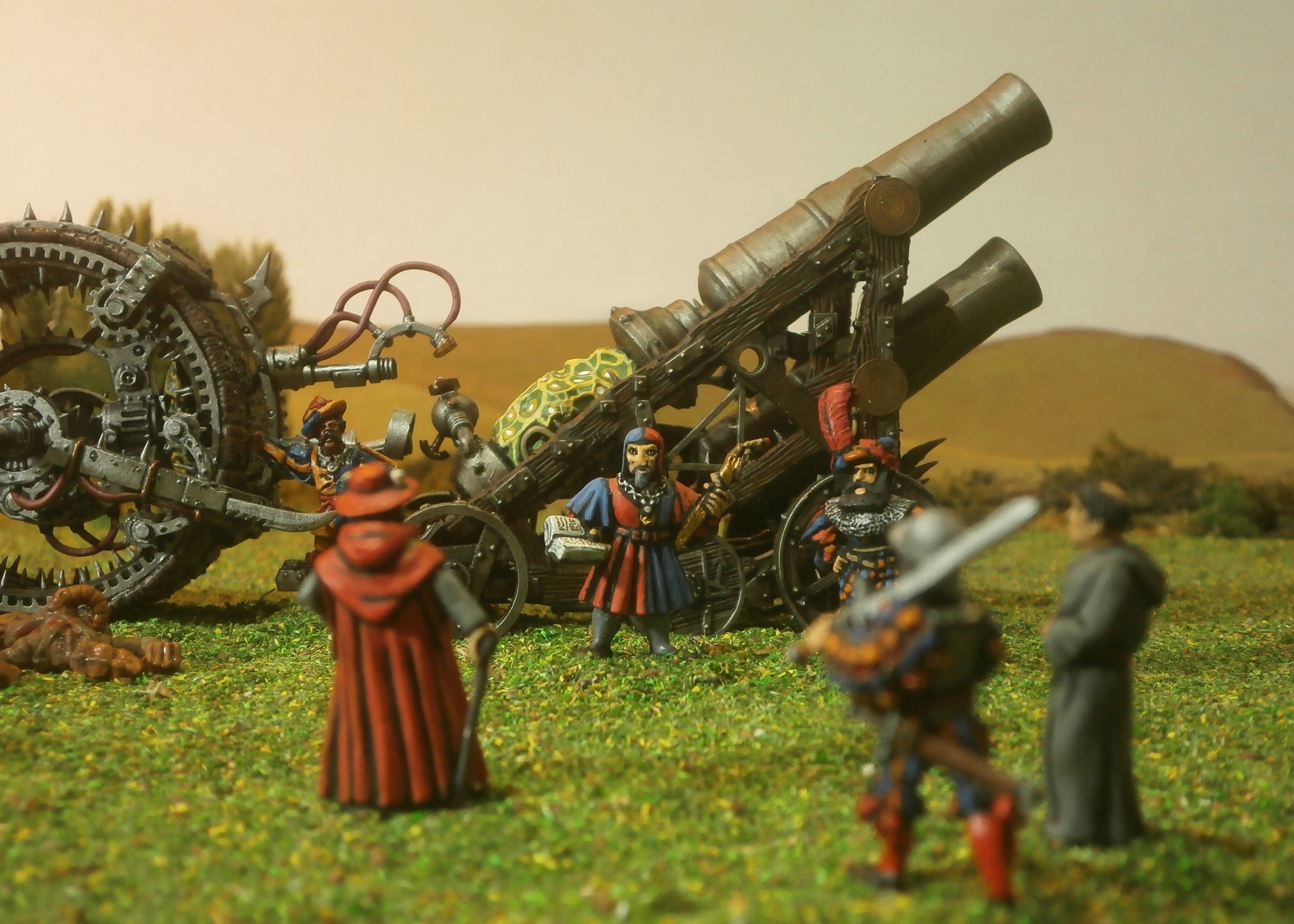
The maestro’s apprentices and journeymen stopped whatever it was they were doing, to stand in respectable silence as the arch-lector drew near.
“I would not advise you to touch the sky-stones, of course” continued da Leoni, pointing to the strange, green, slightly glowing orbs mounted on projecting steel arms from the wheel, while, somewhat strangely, not indicating the much larger chunk of warpstone directly behind him on the bombard.
“Nor should you run your finger along the rusted edges of the metal work. But otherwise, there is nothing here that can harm you.”
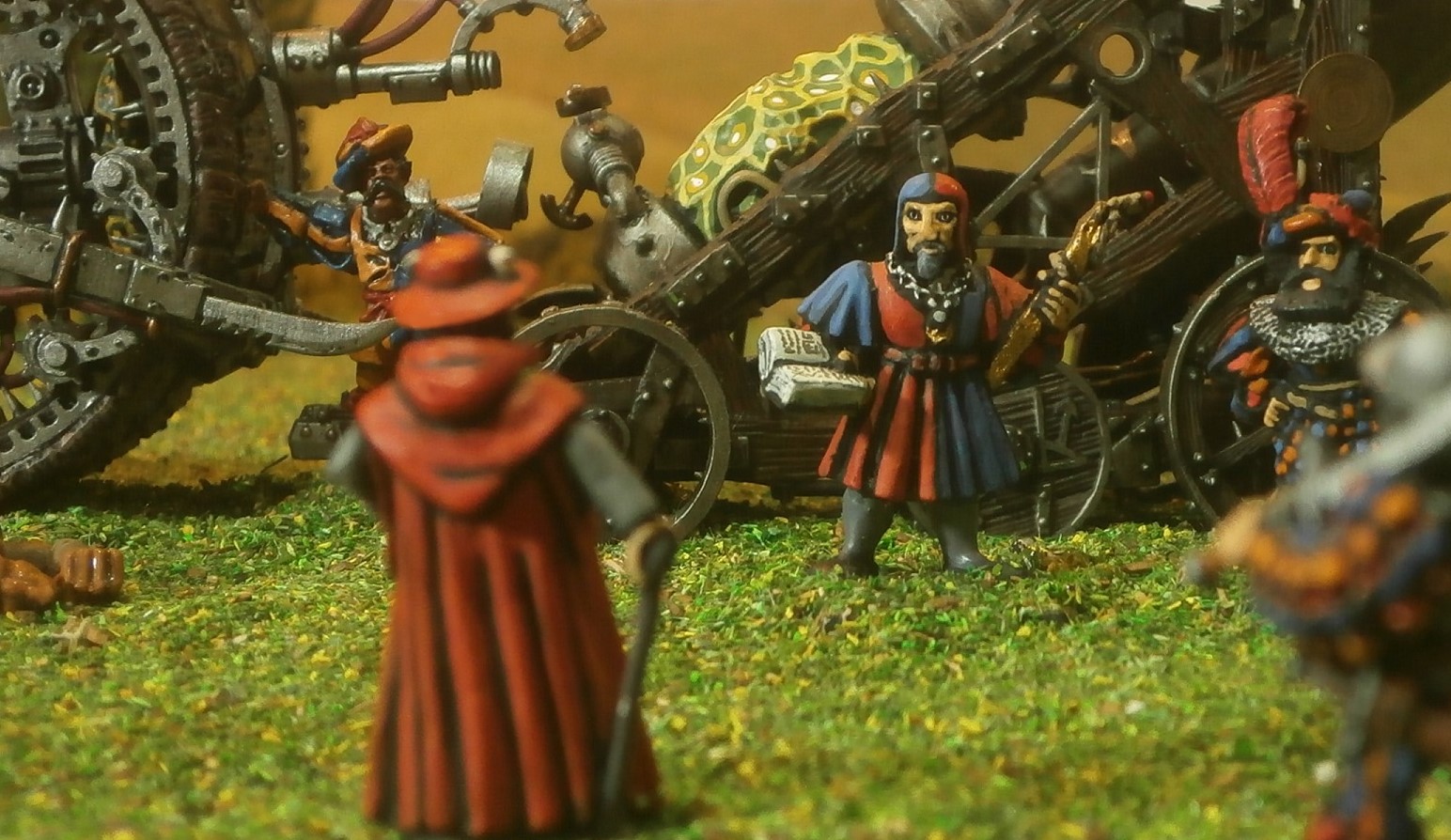
Bernado found this perplexing and wondered whether the engine had yet to be loaded with its deadly grenadoes – a thought that quickly turned into a new concern.
“So, it is not loaded?” he asked, eliciting a nod from da Leoni. “Then, where are the grenadoes?”
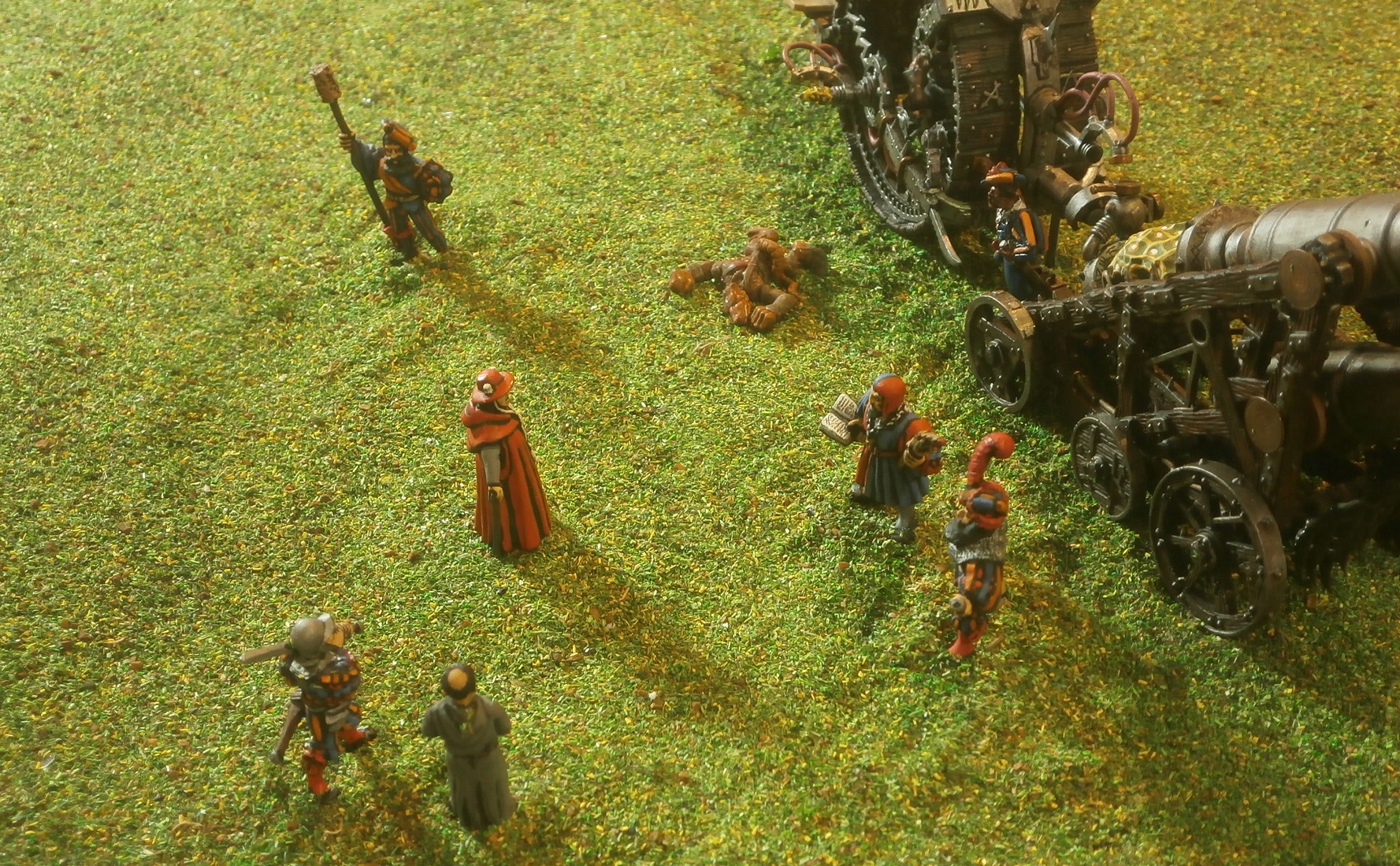
“Ah, now there’s a thing. None have been found, your holiness.”
Bernado suspected the maestro was presenting clues to a riddle – one which he himself had already solved. It was an attitude which seemed entirely inappropriate considering the power contained in said grenadoes. Were they close enough, perhaps even within a mile or two, then their detonation could bring death upon the entire army.
“I suppose,” said da Leoni, “the absence of grenadoes would explain why the engine was driven the way it was – carelessly, recklessly, directly towards, indeed plunging straight into, our men.”
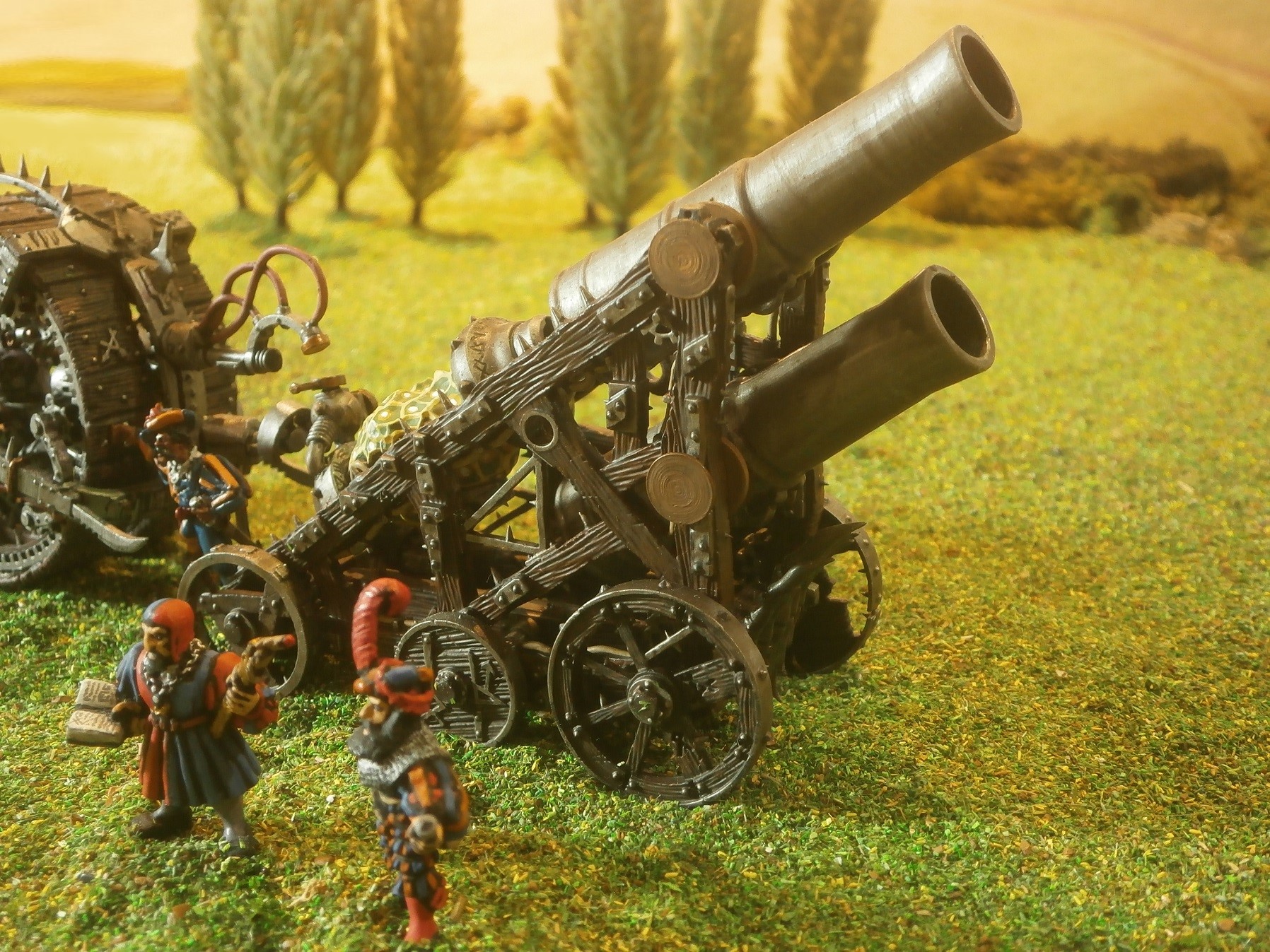
Bernado had himself been surprised by the engine’s behaviour in the battle, as if it were little more than a steam-powered battering ram. He had supposed it was due to the crazed carelessness of the uomo ratto controlling it, perhaps arising from desperation.
“Then there must be a baggage trayne somewhere, carrying the grenadoes? suggested Bernado.
“One might suppose so, your holiness,” agreed da Leoni. “Yet were that the case, then the engine itself would surely be with said trayne? Why place it here, deployed with the army, as if it were a combatant?”
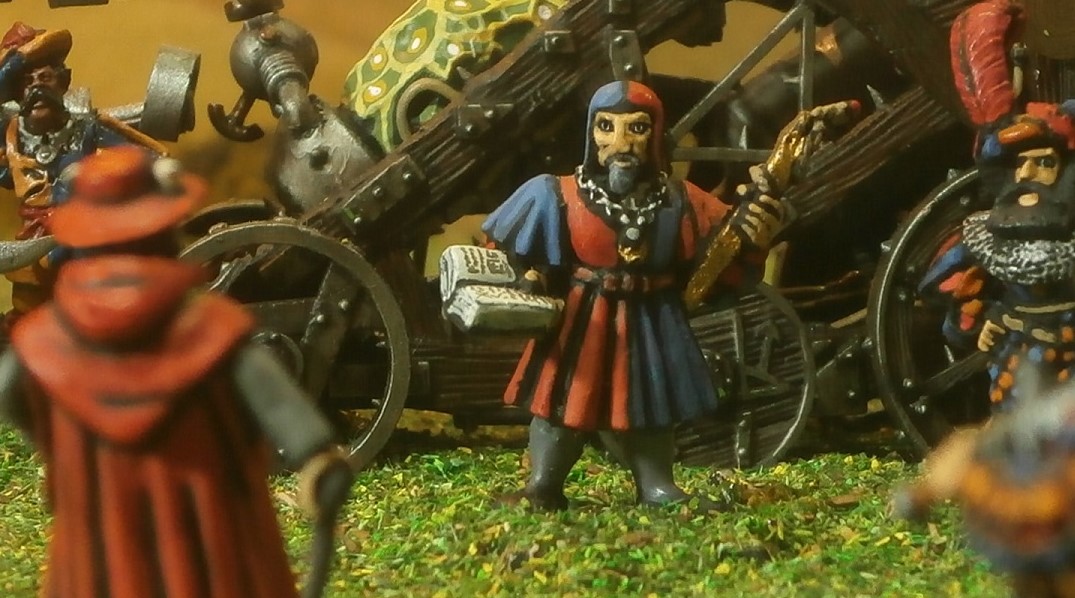
Bernado now knew for certain that the maestro was toying with him. He had long been aware that da Leoni was eccentric, often outspoken, and prone to carelessness when it came to proper social hierarchies, but to play such games over a matter as serious as this might be considered unforgivably impertinent.
“Good maestro, it is plain to me you know the answer to these questions. What I fail to understand is why you have made it a guessing game.”
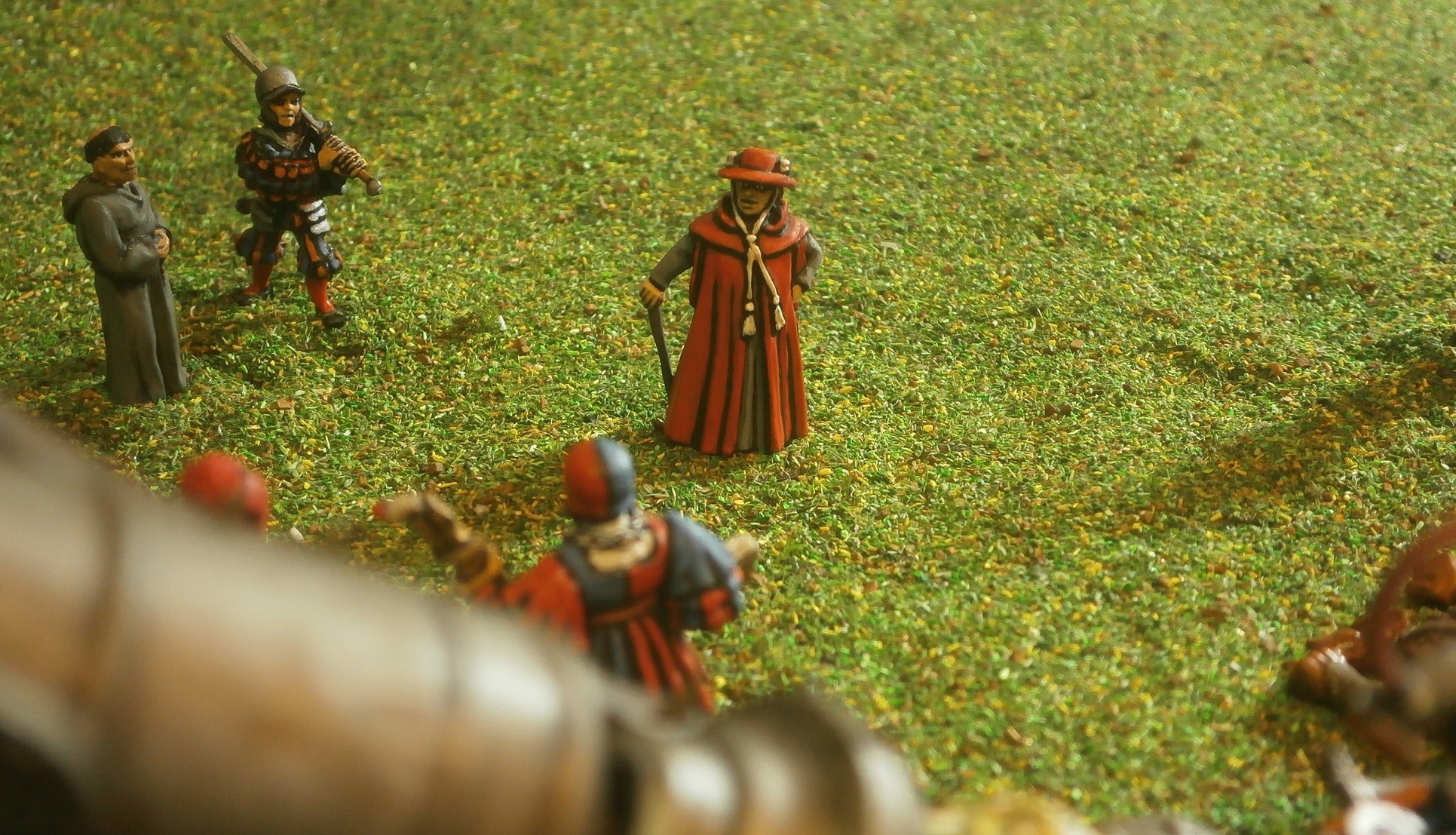
“I too found myself faced with a mystery recently,” answered the maestro. “Concerning why I was not part of the discussions considering the uomini ratto threat. Every indication had previously been given that my advice would be crucial – that I should be ready to advise in any way I could and at any moment. And yet, all was arranged without me – plans laid, preparations made. I was only called upon as the army marched forth, as if I was nothing more than an afterthought, and barely had time to arrange for the brutes and the strongmen. Or was it that I am no longer trusted, your holiness?”
Bernado realised he should have known that the maestro would suspect something. The uomini ratto had demanded da Leoni be surrendered to them, as part payment to spare the city from the terror weapon. Believing that such knowledge would distract the maestro, clouding his thoughts and so diminishing his genius, he had thus ordered the demands be kept secret from him. Not only might the maestro fear what the ratmen would do should they lay their hands upon him, but he might also have become afraid of his fellow Remans, thinking that they might choose to sacrifice him for the city’s sake.
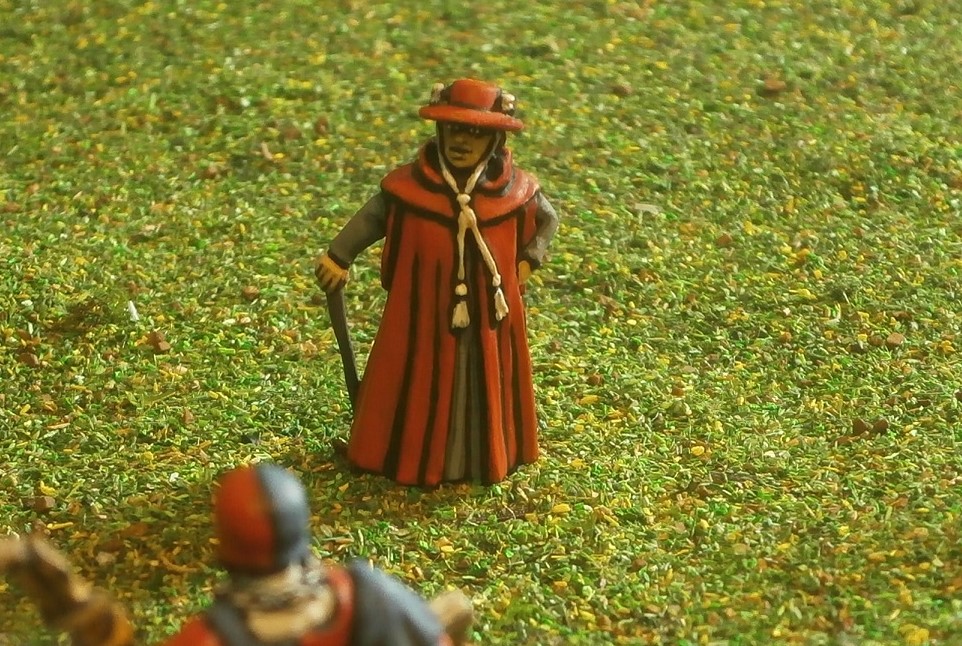
“I can assure you, you are trusted, Angelo,” said Bernado. “More than this, respected and loved. What you perceive as secrecy was for your own good. It is a riddle I am entirely happy to explain, for the danger, it seems, has passed. But first, indulge an old priest, will you, and yield an answer to this nightmarish riddle.”
Da Leoni had scrutinised Bernado as he spoke, as if measuring the honesty of his words, his expression, his stance.
“Good to hear,” he said. “And of course, I am only too happy to put your holiness, and indeed the whole of Remas, out of their misery.”
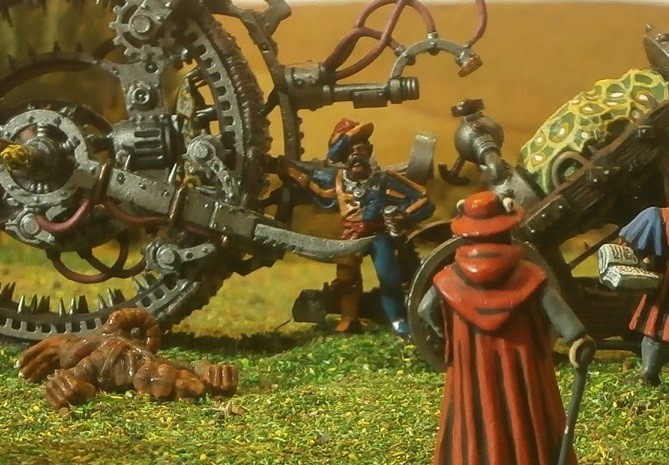
He strode over to the barrels, mounted perpendicularly on the carriage pushed before the wheel, and clunked his brass linstock against the iron.
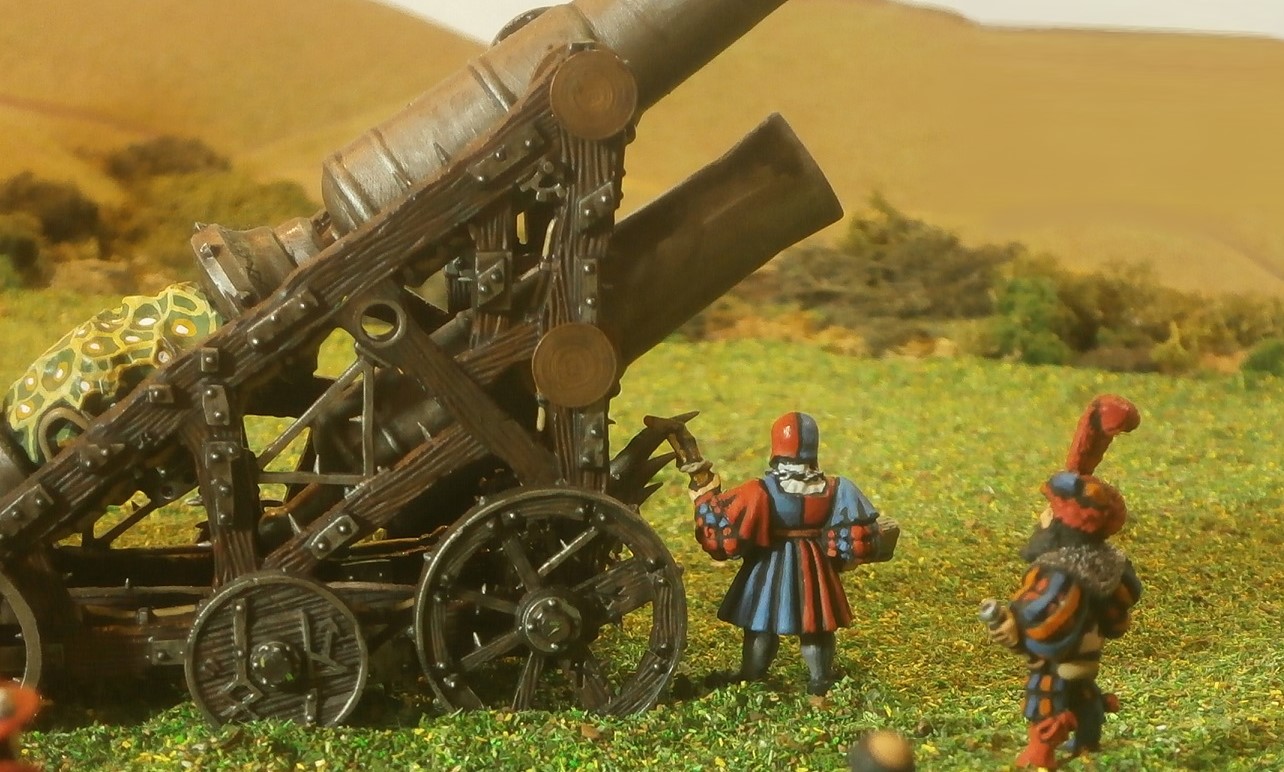
“This … isn’t real. It is an illusion, a trick. Nothing more than stage scenery. These barrels are unfit to fire anything more than a flash of smoke. They are too thin, quite brittle, the casting riddled with flaws. The whole thing is strong enough to hold itself together while being moved, but it could never be expected to launch a grenado. That massive piece of sky-stone behind the barrels is almost entirely impotent, perhaps having long since been drained of its power. The engine pushing it is real enough. The weapon itself, however, is but the image of bombard.”
It looked convincing to Bernado. Yet, if what the maestro claimed was true, then it would be the final piece of the puzzle.
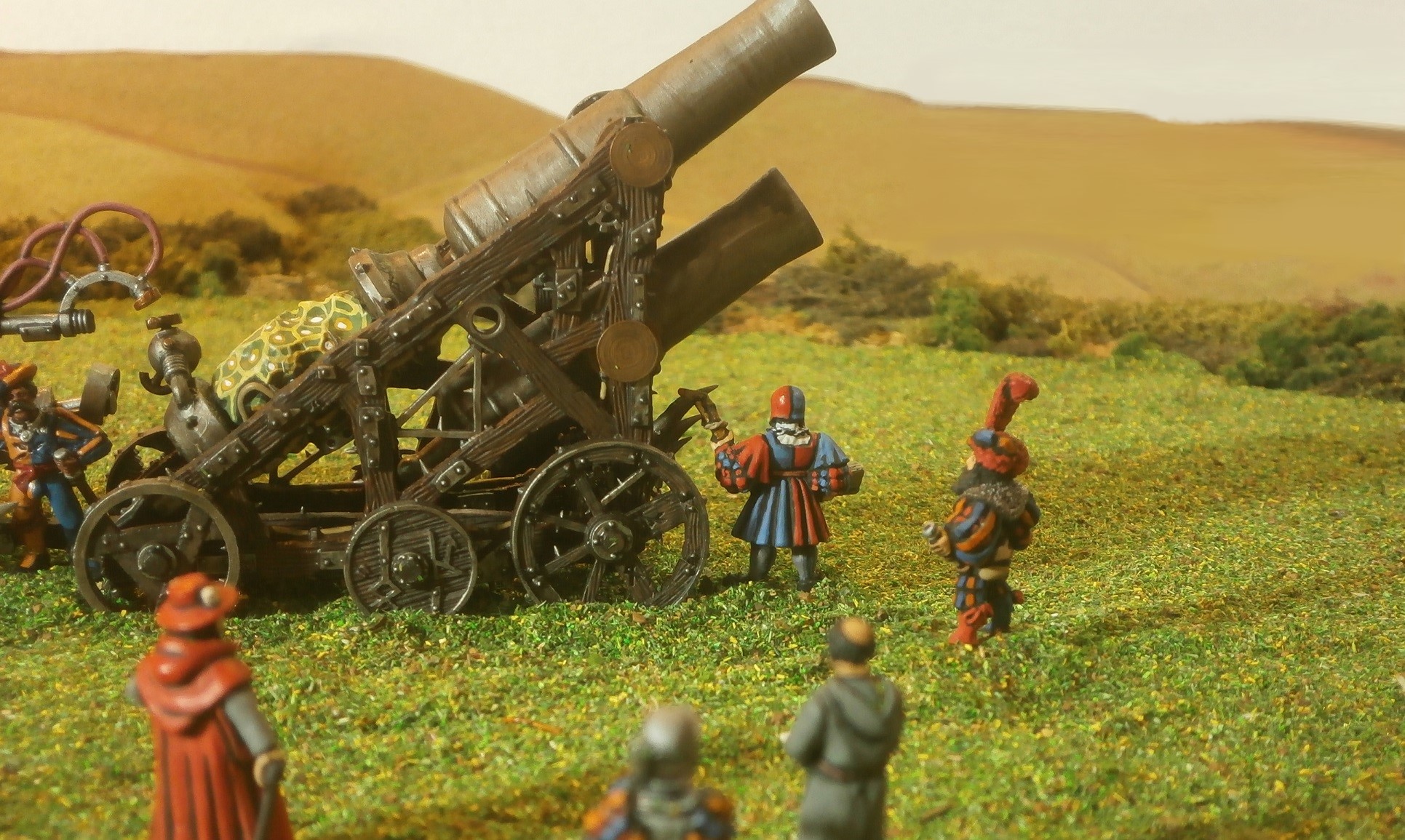
“The uomini ratto conjured a terrifying illusion for us,” continued the maestro. “In the hope that we would yield unto whatever demands they made. Or cause us to flee, or to divide our forces, or merely to make us fearful as we fought.”
“We know they used such a weapon before, and to great effect,” said Bernado.
“I have no doubt, your holiness, that the bombard they employed at Campogrotta was a very real and truly terrible weapon of war. But it’s true purpose may merely have been to sew fear throughout Tilea. Indeed, it did not even need to launch its grenado successfully, for its own failure and subsequent explosion was sufficient to advertise its potency; to prove it was capable of fatally poisoning a vast swathe of land. Once that was achieved, then all they had to do was make a suitably convincing counterfeit; at little cost and presenting no danger to the army accompanying it. Such an imitation would be all they needed to make their threats.”
Part relief, part understanding, suffused Bernado. He began to laugh, allowing the kind of giddiness he had not felt since childhood to overcome him. And as soon as he did, the maestro joined him, then the others too.
“I mean,” said da Leoni in between the laughing. “Look at it! It’s ridiculous. As if such a thing could ever hope to work. Two giant barrels, on one carriage! It’s as improbable as a sword made of painted clay!”
“A tankard made of cheese!” shouted one of the maestro’s men.
“A ship made of wool!” cried another.
………
An Estalian Income
They were leaving the realm of Portomaggiore, having stayed the night at an inn near Scalea. When they disembarked at the city’s docks late in the afternoon the previous day, Ottaviano had insisted they begin their journey south immediately rather than linger. He said they needed no distractions, and besides, a gentle ride until nightfall would suitably stretch their mounts’ legs and so ready them for the longer journey ahead in the morrow. Baccio had not argued, something he later regretted on discovering the somewhat humble lodgings in the inn. Scalea and its surroundings had yet to recover since being ravaged by the Sartosans only months before, while the city itself had been untouched.
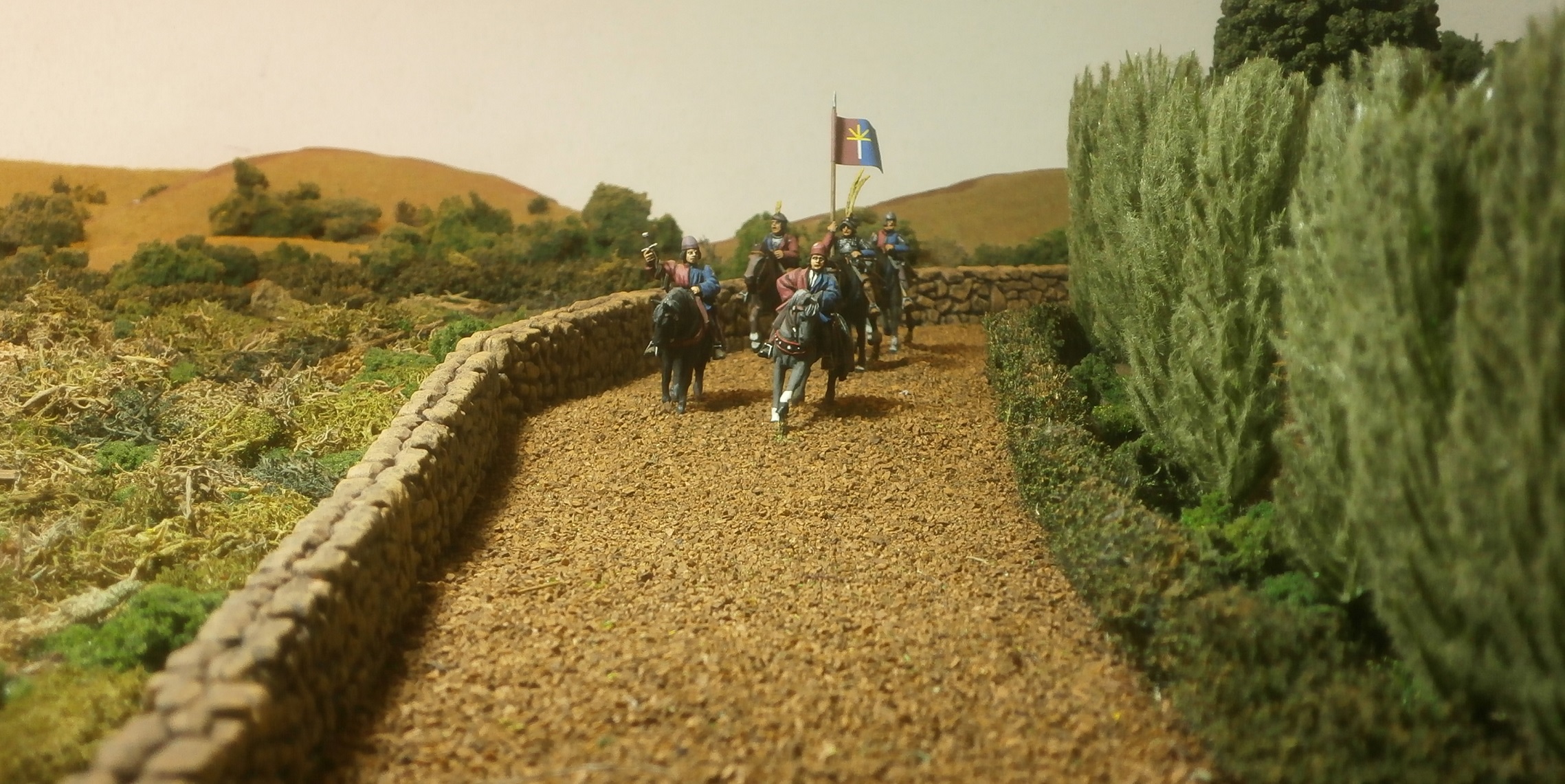
The road would take them all the way to Luccini, something their purses could not persuade the ship’s captain to do. Accompanied by three mounted guards, one of whom carried a guidon bearing the company’s emblem, the two of them rode at the fore.
“What did the priest say?” asked Baccio.

It seemed to have slipped Ottaviano’s mind that he had yet to speak to his friend concerning what he had learned from the priest he met that morning.
“Oh, he told me that General Giacometti is indeed coming to Luccini,” Ottaviano said.
“Coming? So, he’s not there yet?”
“Maybe not,” said Ottaviano. “Some of his soldiers have landed, but the general himself had yet to arrive when the priest left.”
“When did the priest leave?”
“About a week ago, so I suppose the general ‘s ship could have docked since then.”
Baccio grunted acknowledgement. “Why do you think he advertised his intentions so broadly? It can’t be wise to let one’s enemies know your movements?”

“Maybe he wants the Sartosans to know,” suggested Ottaviano. “All the better to dissuade them from further despoiling Luccini? They’re unlikely to raid if they think they might be caught by his army. This way, his protection begins before he himself even arrives!”
“So, you think he is coming to help his cousin, in the young king’s time of need?” asked Baccio.
Ottaviano snorted. “If that’s what he intended, he’s left it a little late. Luccini has been grievously wounded. The priest said that compared to Luccini, Portomaggiore had got off lightly.”
“He was probably distracted by his own affairs in Estalia,” said Baccio. “He was paid with land, while the Compagnia was given gold. Ruling a newly pacified realm like Solsona must keep a fellow busy.”
“I suppose so,” agreed Ottaviano. “But he could have deputized, if he had really wanted to help.” He glanced over at his friend. “You know, Baccio, when the Solsonan war ended, I think Giacometti got the best prize. I think that’s why General Mazallini was so happy to accept the rule of Campogrotta in lieu of pay. Giacometti had done well with his lands and title, while our Compagnia’s pile of gold just diminished to nought. General Giacometti has income pouring in every season, and no need to fight for it.”
“Huh!” exclaimed Baccio. “He might have been happy in Solsona, but ruling Campogrotta didn’t work out so well for us.”
“No,” said Ottaviano sombrely. “It didn’t.”

Both fell silent for a while, each aware that the other was most likely suffering a similar cascade of memories concerning the flight from the poisoned realm of Campogrotta.

Seeking a thought to cheer himself up, all Baccio could summon was that he was glad to be off the ship. He had never attained sea legs, which made ship-board life a misery. Riding leisurely, and on such a pleasant morning, was much preferable.
“So, General Giacometti is now a nobleman, an Estalian ‘vizconde’, with more than half of Solsona to rule?” he said.
“Aye, that he is,” said Ottaviano. “Best call him ‘Your Grace’ or some such when we meet him.”
“Then why doesn’t he just sit tight and revel in his new-found prosperity? Why return to Tilea? Especially now, when vampires and brutes have been replaced by Sartosans and ratmen, to make the wars neverending?”
“Perhaps he loves his cousin?” suggested Ottaviano. “And hopes to put things right in Luccini? It’s commonly said the young king has returned somewhat damaged from his long captivity. It’s likely he needs all the help he can get.”
“What do you mean, ‘damaged’?” asked Baccio.
“Apparently, he is not all there. The Sartosans tormented him – scared him out of his wits. As for his realm, it’s been robbed and razed …

… then robbed again twice more when the Sartosans returned to pick at the bones. If ever there was a land that needed help, its Luccini. The people are likely just as distressed as their monarch!”
“But Giacometti is a condottiere, who will expect full payment. This, surely, Luccini cannot give him?”
“Ha!” laughed Ottaviano. “If Luccini has nothing to give, then why have we been sent to negotiate with them? It’s still a kingdom, Baccio. Recently plundered, aye, but surely able to pay for a few mercenaries. Poor kings, even mad kings, can find money when they have to, even if their subjects must suffer as a consequence.”
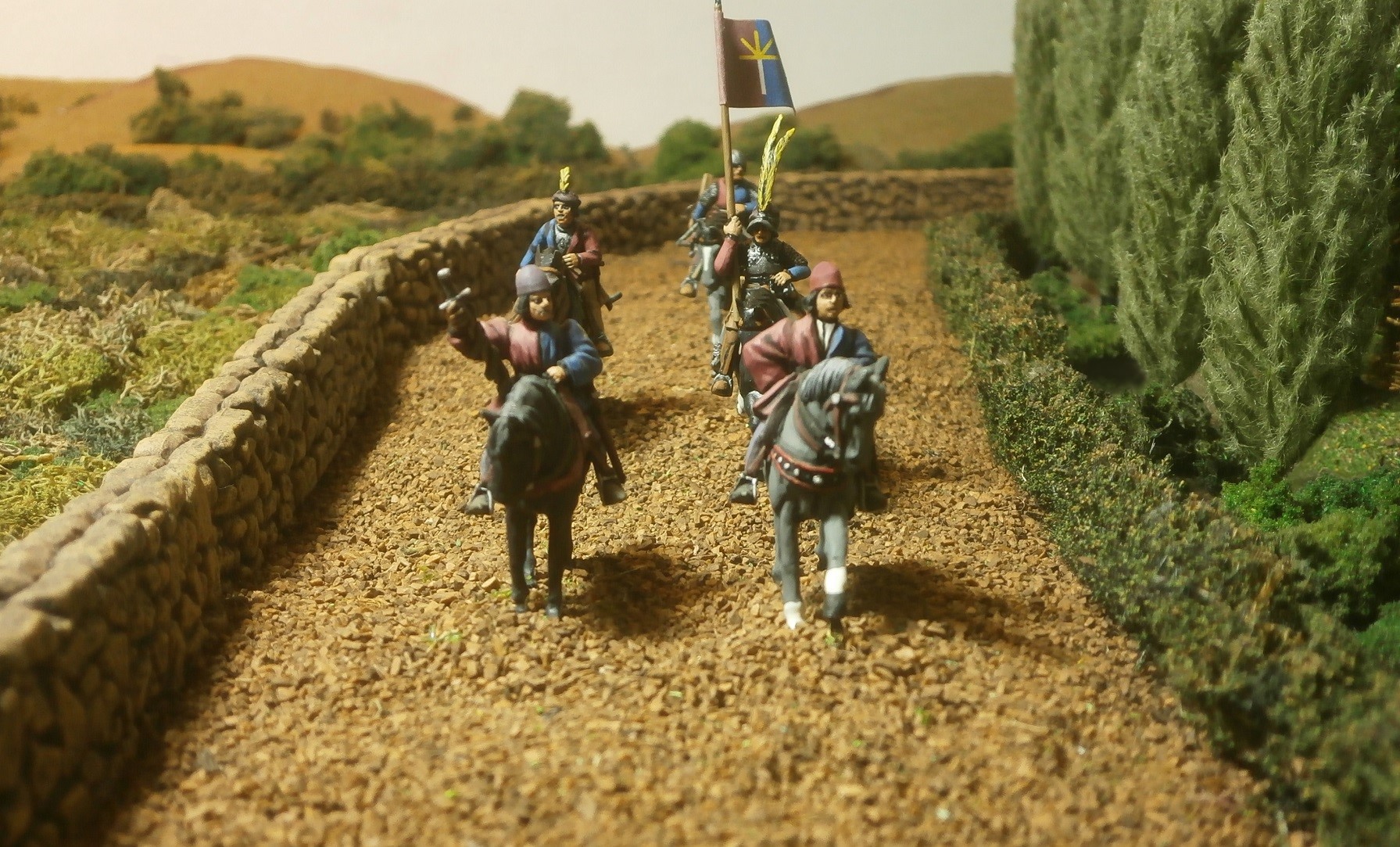
“Well I doubt his royal majesty has many soldiers of his own left demanding pay,” said Baccio. “But if he is paying Giacometti, there’ll be nothing left for us.”
“Ah, but Baccio, is the vizconde demanding payment? He has his Estalian income. Perhaps he’s fond of his cousins, the king and the duke, and feels obliged to help them in their time of need.”
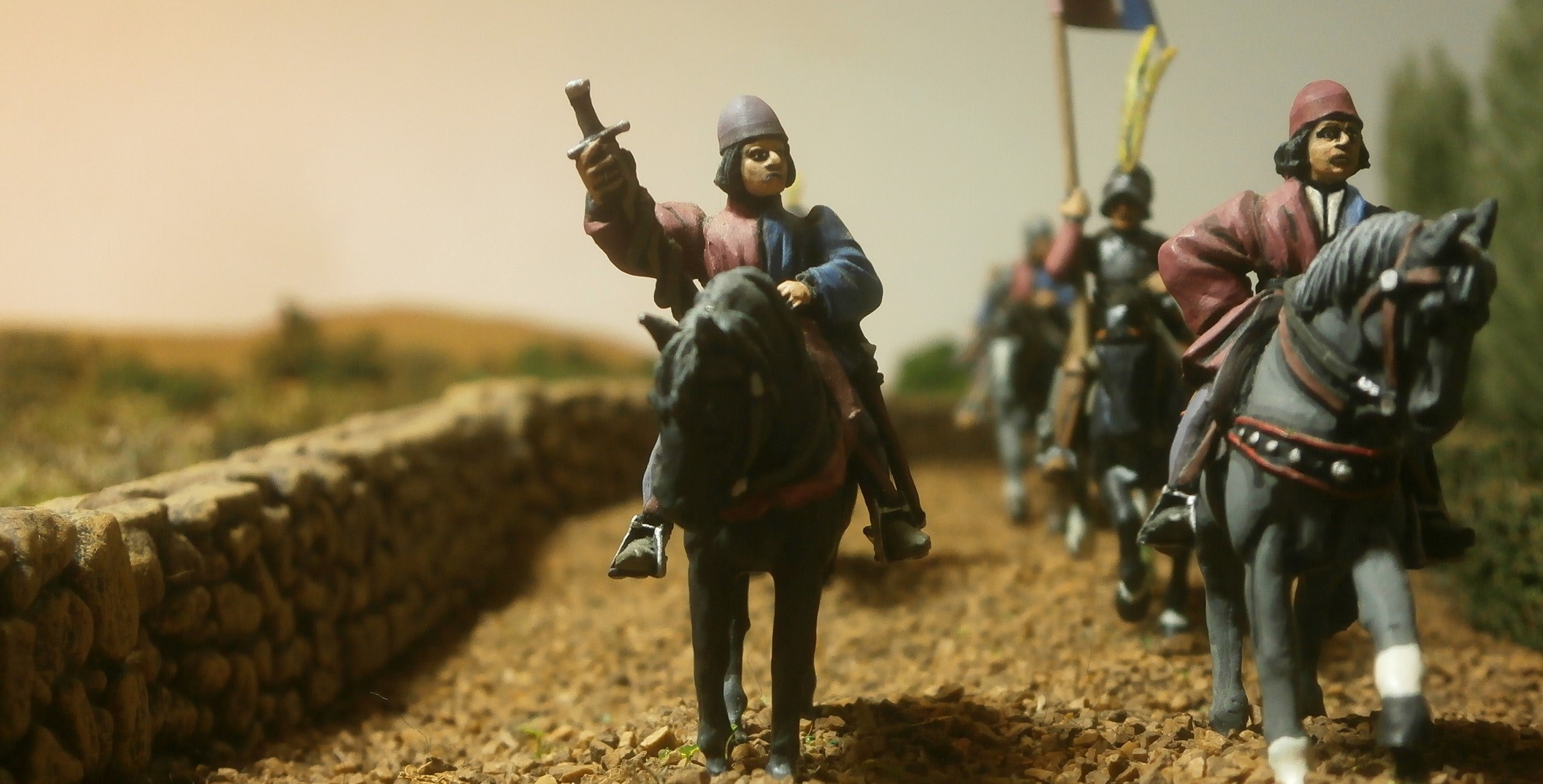
“You keep saying that. But he’s a bastard’s great grandson, who only has a title and estates because the Estalian king gave them to him. Why presume he feels anything for a Tilean cousin who inherited what he could not? Besides, I reckon that hunting, hawking, feasting, and sleeping on feather beds in a warm chamber, is the kind of life that would satisfy anyone.”
Ottaviano grinned. “Maybe he found a life of ease tedious and yearns to return to a life of adventure?”
“Not likely,” argued Baccio. “If he’s coming back to Tilea, then it’s because he wants something more than mere adventure.”

“Well, he’s no stranger to the Luccinan royal court. He grew up there and was like an older brother for the king. So, I say again that there’s every reason to suspect it is love of his cousin that draws him home.”
“Or,” said Baccio, “he aims to supplant his cousin? Take Luccini’s crown for himself? Being king is better than being a vizconde, surely? As a cousin he has royal blood in his veins. All princes should be wary of blood cousins arriving with armies – they have both the might and potential right. Remember the king and Giacometti’s great grandfathers fought over the throne in the War of the Bastards? Who’s to say who had the better claim? Who’s to say the matter is settled in perpetuity? Such a contest might easily reemerge down the line.”

“I don’t think King Ferronso has much of a choice. ‘Desperate times call for desperate measures.’ The realm of Luccini lies wounded, perhaps mortally, all while its king is caught in a waking nightmare. What’s left of our Compagnia is surely not sufficient to provide all the protection Luccini needs. We don’t know how many of General Giacometti’s Compagnia del Guanto stuck around to serve a vizconde instead of a condottiere, but now he has Solsona to raise new recruits from he can replace any lost strength, maybe grow his army. Being a vizconde means he now has a lot more pieces to play with.”
Baccio frowned. “If what Macario told me about the Gauntlets is true, then Luccini is in for a nasty shock. Giacometti’s dogs of war could teach the pirates a thing or two about the art of plundering.”

“That might be so,” Ottaviano acknowledged, “but General Giacometti is not at all shy about hanging his own men for plundering without orders. Still, Luccini doesn’t have to worry quite yet, because it’s not the gauntlets who’ve landed, but a bunch of his Solsonans.”
“Hah! Well that could explain everything. If they’re the same Solsonan soldiers he fought during the war, then sending them elsewhere seems like common sense to me. Why would he keep old enemies around? I bet he sent them here just to be rid of them.”
“Except he himself is expected to arrive soon – and he’s hardly likely to exile himself.”
Baccio could not really argue with that, but he wanted to know more about the soldiers.
“These Solsonans, are they militia or mercenaries?” he asked.
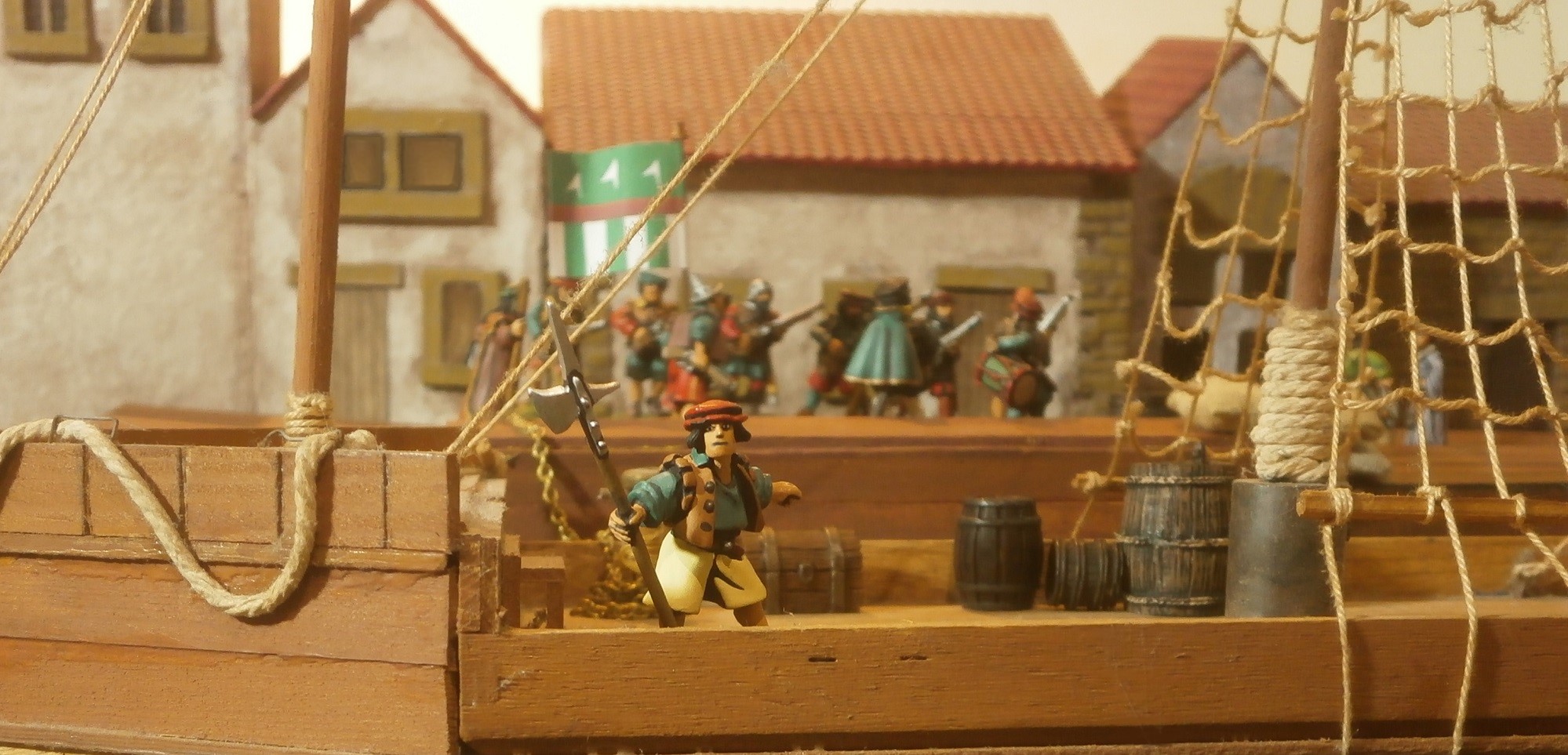
“Who knows? The priest just said they were hand-gunners, liveried green, white and red …

… with an ensign of the same. Unless the Gauntlets have been adding green cloth to their doublets, then all we know is the arrivals are Solsonan.”
Baccio’s brow furrowed, as he realised he was beginning to feel nervous about going to Luccini.
“It makes me wonder,” he said, “if Luccini has Giacometti’s help, both his old company and these new soldiers, then why are we seeking employ there? Sounds like they’ll soon have a surfeit of soldiers.”
“We’re seeking employment anywhere right now, Baccio. Beggars can’t be choosers. Besides, we don’t know how many of Giacometti’s old company stayed in his service. They can’t have been happy when he took lands and titles instead of gold. It’s likely a good number of them went off to seek employ elsewhere. As for his new Solsonan soldiers, if they are mere militia, then their usefulness on the field of battle could be limited.”
What with all he had been through, Baccio was not convinced. “I bet he’s lost none of the Gauntlets. All our boys were happy enough with the thought of favoured citizenship in Campogrotta. After the bloody wars in Solsona, why wouldn’t Giacometti’s lads not be just as keen to take their ease?”

“Maybe they were? Right now, there’s no knowing what strength Giacometti has to offer, but if he has insufficient for Luccini’s needs, then there could still be a place for us. We’re not as expensive as we used to be, Baccio, what with the fact there are a lot fewer of us now. Besides, the Compagnia fought alongside Giacometti’s Gauntlets in Estalia, winning victory together. It’ll be like old comrades reunited!”
Baccioi laughed. “Ha! I couldn’t count the number of stories I’ve heard about the strife between the companies in Solsona. On the same side, yes. But friends? Hardly! Besides, Giacometti’s men are nearly all northerners, loud and proud at best, downright villainous at worst. “
“We’ve our own share of northerners in the Compagnia, Baccio, and none are worse than the worst Tileans. Besides, Giacometti, despite his Estalian title, is Tilean, and he’s the one giving the orders.”
“Aye, he is Tilean, with famous ancestors. I still think he could have ambitions to be king.”
“Not every lord is a usurper, you know,” said Ottaviano.
“Maybe,” admitted Baccio. Then he remembered something. “Giacometti was governor of Capelli years back, wasn’t he? He might have ambitions there.”
“Ambition is the right word for it if he does. He’d have to fight the army of the VMC to retrieve that particular office. Not a soul in Luccini would want to start such a war right now.”
“What they want, even the king, is not necessarily what Giacometti wants,” argued Baccio.
“No,” said Ottaviano. “That makes no sense. The governorship isn’t hereditary, just an office once gifted him by the king’s uncle, Duke Ercole. It was back when the duke was regent, the king was a child, and Giacometti was just old enough to be restless and in need of experience. Governorship of Capelli was thought a suitable apprenticeship. But now he has won a much better prize – half of Solsona is five times as large as the whole of Capelli. I reckon it’s far more likely Giacometti is here to exact revenge for his cousin on the Sartosans, and profit from doing it in any way he can. He’s got right on his side, so no one in Tilea will complain, no matter how brutal his plundering.”
Baccio rolled his eyes. “Well, if that’s true, and we are to be hired by Luccini, then we’ll be back aboard a ship within a week or so. I’m not sure my stomach can take it.”
“Or,” said Ottaviano, “if we are hired, perhaps I can persuade our new employers that it is best we remain in Luccini to make preparations for the company’s arrival while someone else is sent as messenger?”
“Aye, Otto,” said Baccio keenly. “Let’s do that.”

………………………………………………………
Flesh, Not Iron or Fire.
Somewhere underground, in the far north of Tilea. Very early Spring, 2405

Critch was beginning to think they had been forgotten about, as he had never before served so long a watch. He and the others had been guarding this entrance for approaching twice the usual time. Vroshkin was obviously suffering too, for he had begun to twitch and mutter – not something Critch had witnessed before. Squinting his already aching eyes, he peered across to the other side where Volknek and Thrik stood and could see that they too showed visible signs of flagging, the former’s eyes rolling most peculiarly and the latter with only one eye open, and that almost shut.
A thought occurred to him.
“Vrosh, are we being chastise-punished?” he asked.

“What for and why?” asked Vroshkin.
“I know not. But if not, then we have been forgotten.”
“Forgotten I say,” said Vroshkin. “We count for less than little these days. Now that Clan Skravell is reduced to but half a regiment with only one chieftain, what cause or reason has anyone to remember us?”
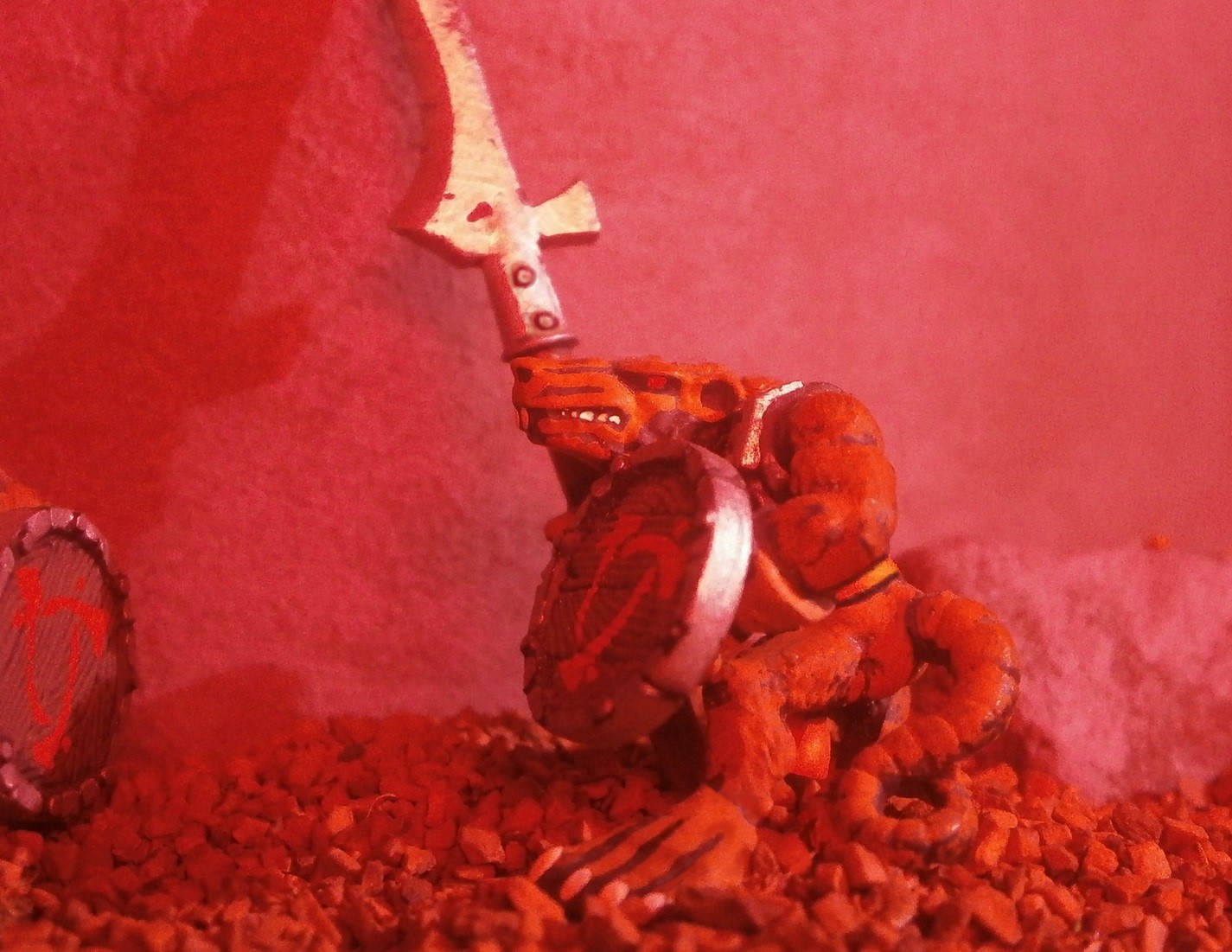
Critch could not help but growl at this thought.
“Then are we to stand here like idiot-fools until we drop?” he asked. “I say we leave, for if no-one remembers our presence then they will not notice our absence.”

Vroshkin twitched again. “Foolish folly. I will not leave. If we warriors of Skravell have become of so little worth as to slip our masters’ minds, then they will not baulk at kill-punishing us. No lash-whips or hunger-trials, just quick-death and forgotten entirely. We needs-must be useful to them. Obedient-eager, strong, ready to fight.”
Critch thought about this a while, grinding his teeth in frustration.
“Maybe so, perhaps,” he finally agreed. “But now the new Seer-Lord commands, it would not be death for us, but manacle-slavery. That’s his way.”

During their long watch, several slave regiments had passed by, scuttle-marching southwards along the underpass. So many, in fact, that Critch had lost count. Although, he had not actually been trying to number them, and was now so tired he would have struggled to remember even if he had attempted to do so.
Suddenly he jolted, having almost fallen asleep on his feet, for the drum-sound of another marching body could be heard. Vroshkin had obviously heard it too and both turned to look.

“What do you mean, ‘That’s his way’?” asked Vroshkin.
“Lord Urlak used engines to kill-threaten, to blast-burn, to …”
“Not at Ravola!” interrupted Vroshkin.
“No, not there – but only because he could not move them quick-fast enough, and he keen-wanted to surprise the man-things, not delay-wait. But, otherwise and always, he used engines to spew warpfire on the foe and his bombards to scare-threaten whole armies. Iron and fire was his way! What good it did him.”
Almost none of Clan Skravell had returned from the march toward Remas, presumably the rest having died in either the fight or flight, as had Urlak. Which meant that Critch, Vroshkin and but a few detached files’ worth were all who remained. What sorry souls did creep back had carried news of the defeat and destruction of Urlak’s army – of exploding engines and the anti-climactic failure of the doom bombard.
“Seer-Lord Cralk has engines, just the same” said Vroshkin. “I have seen them.”
“I know that! But not many, just a smattering; nothing like that which Lord Urlak possess-employed. Lord Cralk has only enough to sting and cajole, to herd-steer his enemies, to deliver them to his warriors’ sword blades.”

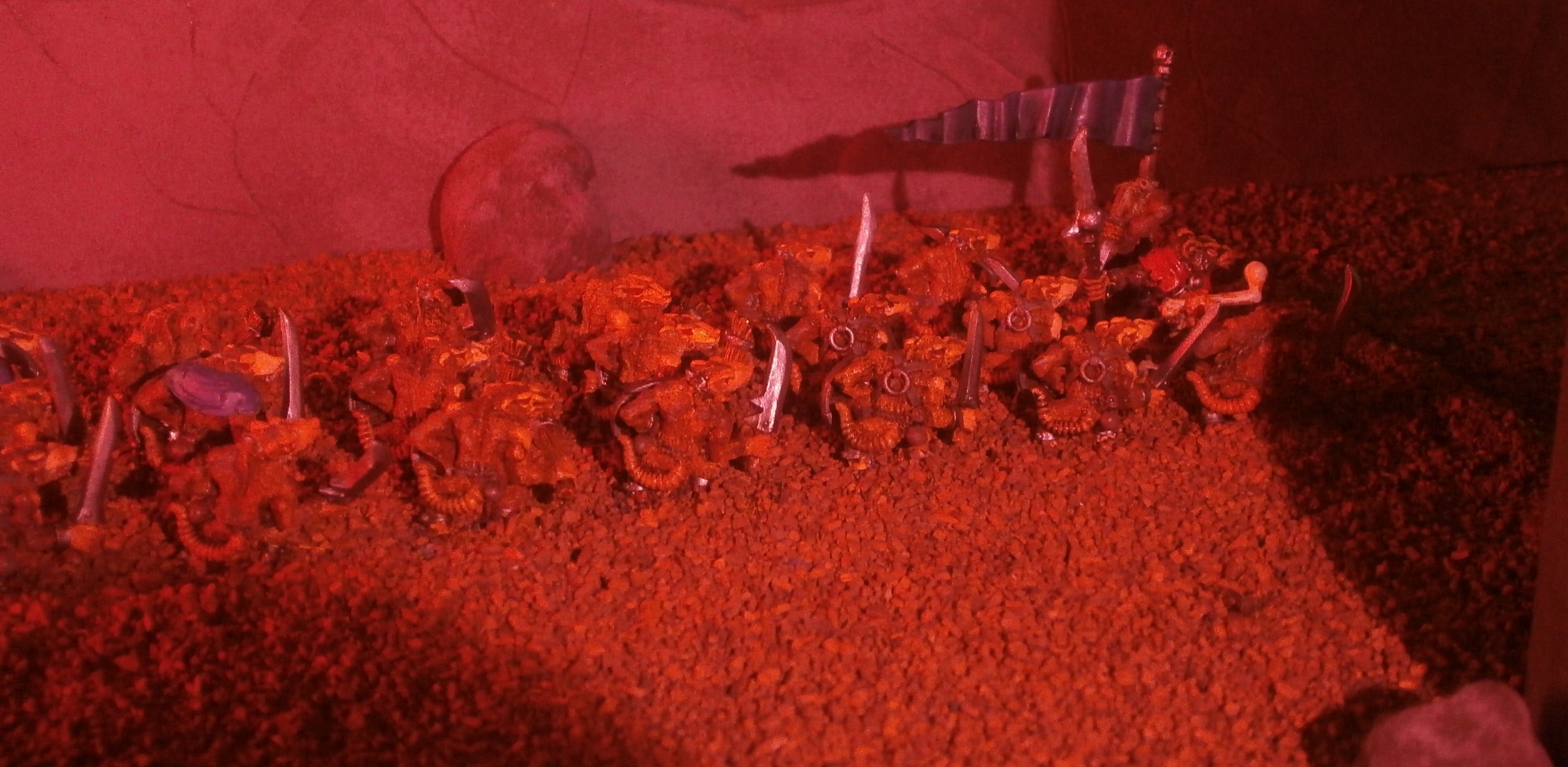
The first of the marchers now appeared – another regiment of slaves. A long, dull coloured rag served as a banner for them, fluttering flamboyantly in the stiff breeze of the main underpass. It bore no emblem, having no significance beyond being a marker for mustering. No slave felt pride for, or loyalty to, a banner. All they needed was eyes to see, and thus would know where they should be if they wanted to avoid cruel punishments.

“I have yet to see any warriors.” said Vroshkin. “Just more and more dreg-slaves.”
“Yes, and each and every one bears a blade. When there are so many and more that the enemy is overwhelmed, buried beneath a horde-mass of slaves, what use then are a man-thing’s sword-skill and courage?”
Vroshkin sniggered at this, as both watched more and more of the slaves marching by.
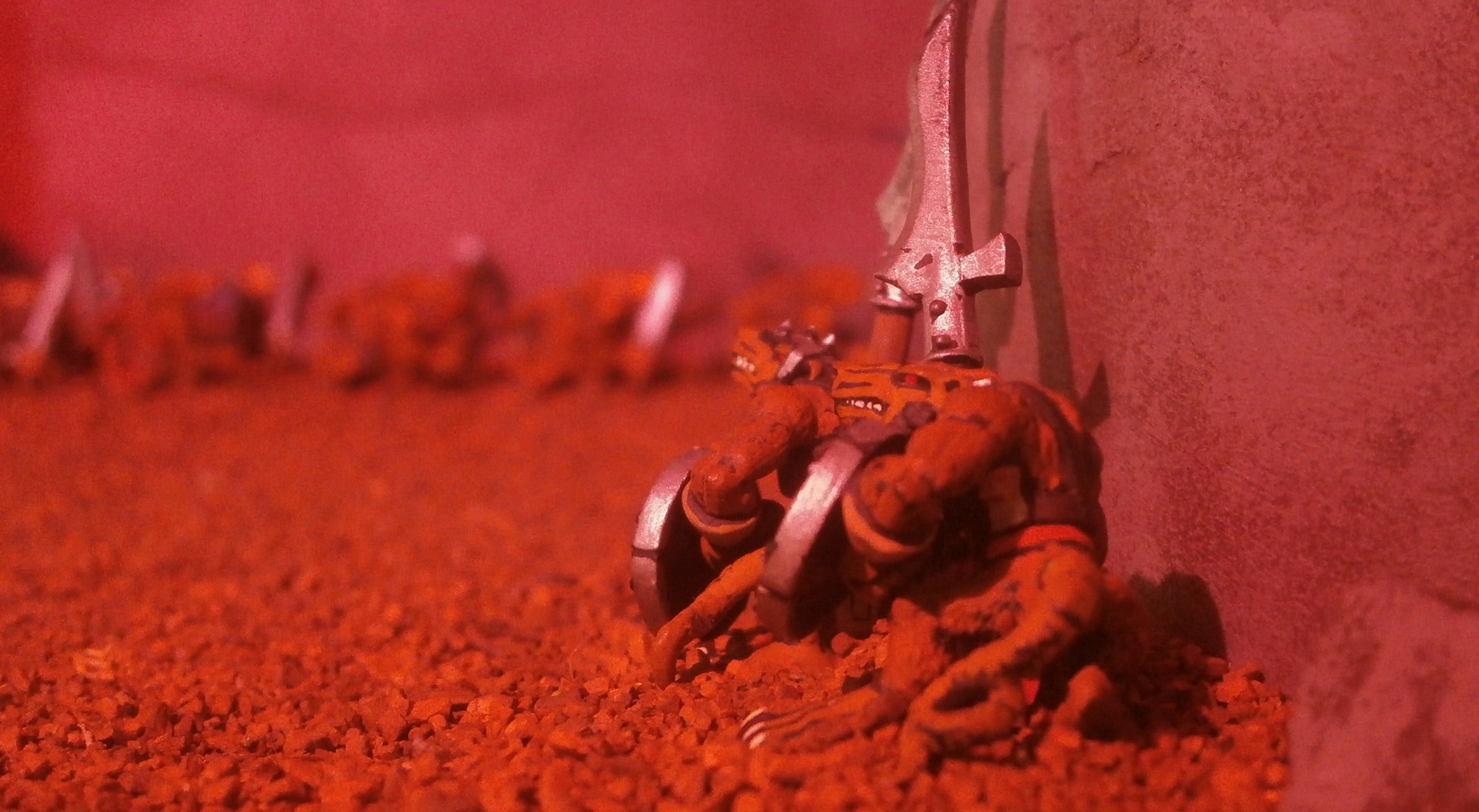
Critch had heard that Seer-Lord Cralk even had regiments of manthing slaves, but there had been none such in the tunnels today, only rats, by the hundreds. In truth, he had thought the claim somewhat fanciful, for although both manthings and goblins made acceptable labour slaves, expecting them to fight in the service of their masters was surely absurd?

This particular regiment bore swords and, although difficult to see to the left of them, most carried shields too. Apparently, Lord Cralk was willing to pay that bit more to equip them. Critch could see shackle rings on their backs, through which chains could be passed, and yet, unlike the earlier regiments, this lot had no such chains. Perhaps they were somehow more trusted, more proven than the others, which might explain why they had been given shields? This seemed unlikely, though, for he could think of no reason ever to trust slaves. Yet, he then also noticed the lack of overseers, neither sight nor sound of lashes. These slaves were marching to the beat of a drum, not the crack of whips!
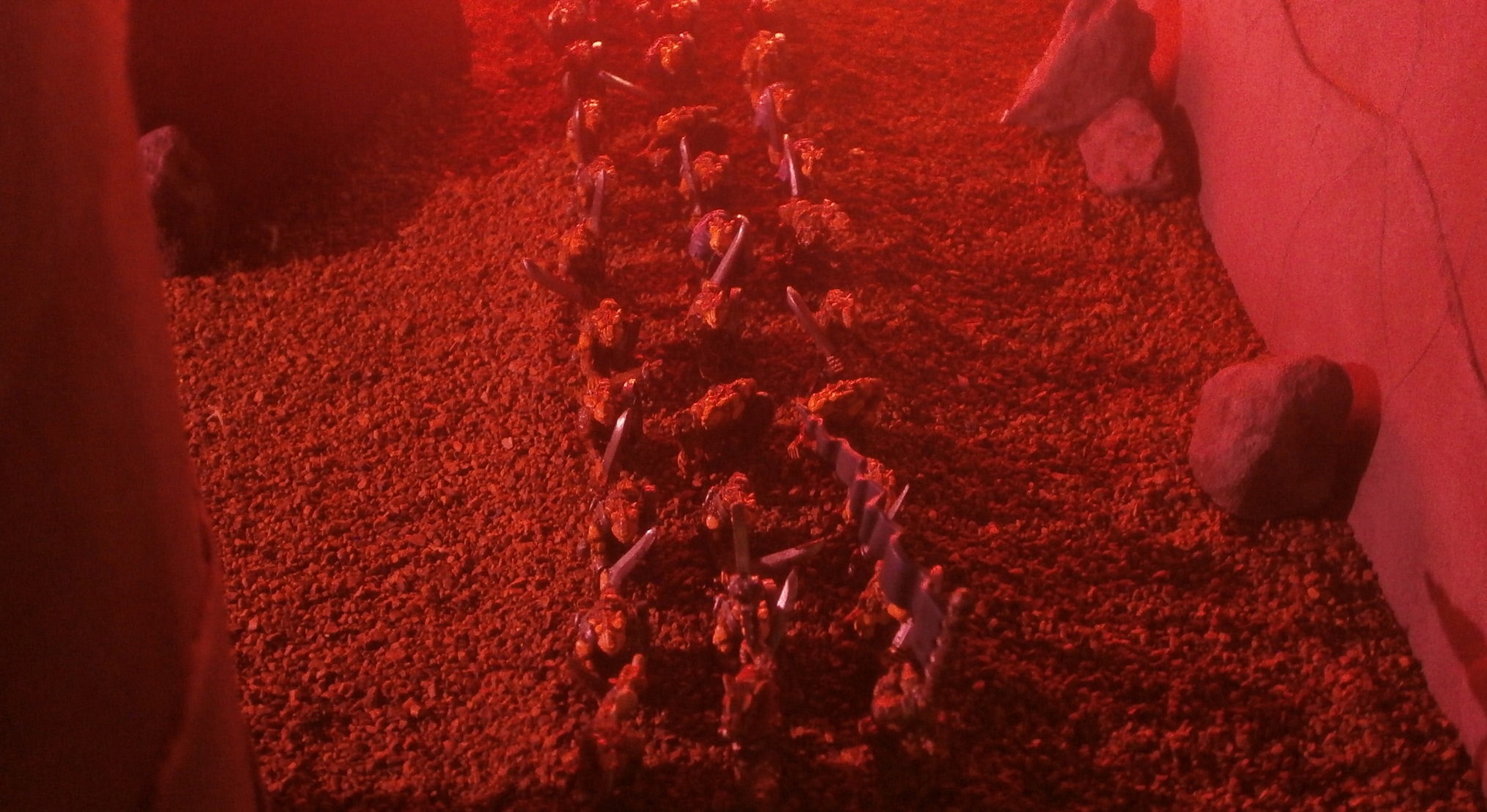
“Odd and strange,” said Vroshkin. “They look keener and meaner than those who came before. If it were not for the shackle-rings you might not think them dreg-slaves at all. You could be right, Critch. Lord Cralk’s army is different.”
Once the slaves had passed, the sound of their drum diminished to be replaced by the sound of another, this one sharper and far more insistent than that born by the slaves and already growing louder than the first had achieved even when at its closest. Critch suspected he knew what was coming, and it was not more slaves.
“What’s this, now?” asked Vroshkin.
Critch said nothing, but watched in anticipation. He had heard that Seer-Lord Cralk possessed a bodyguard regiment consisting entirely of the tallest, strongest warriors in his army – warped by sky-stone powder to gain unnatural proportions and strength. From the sound of the drum, this had to be them.
“These are not slaves,” said Critch, just before the first ranks of the marching column appeared.
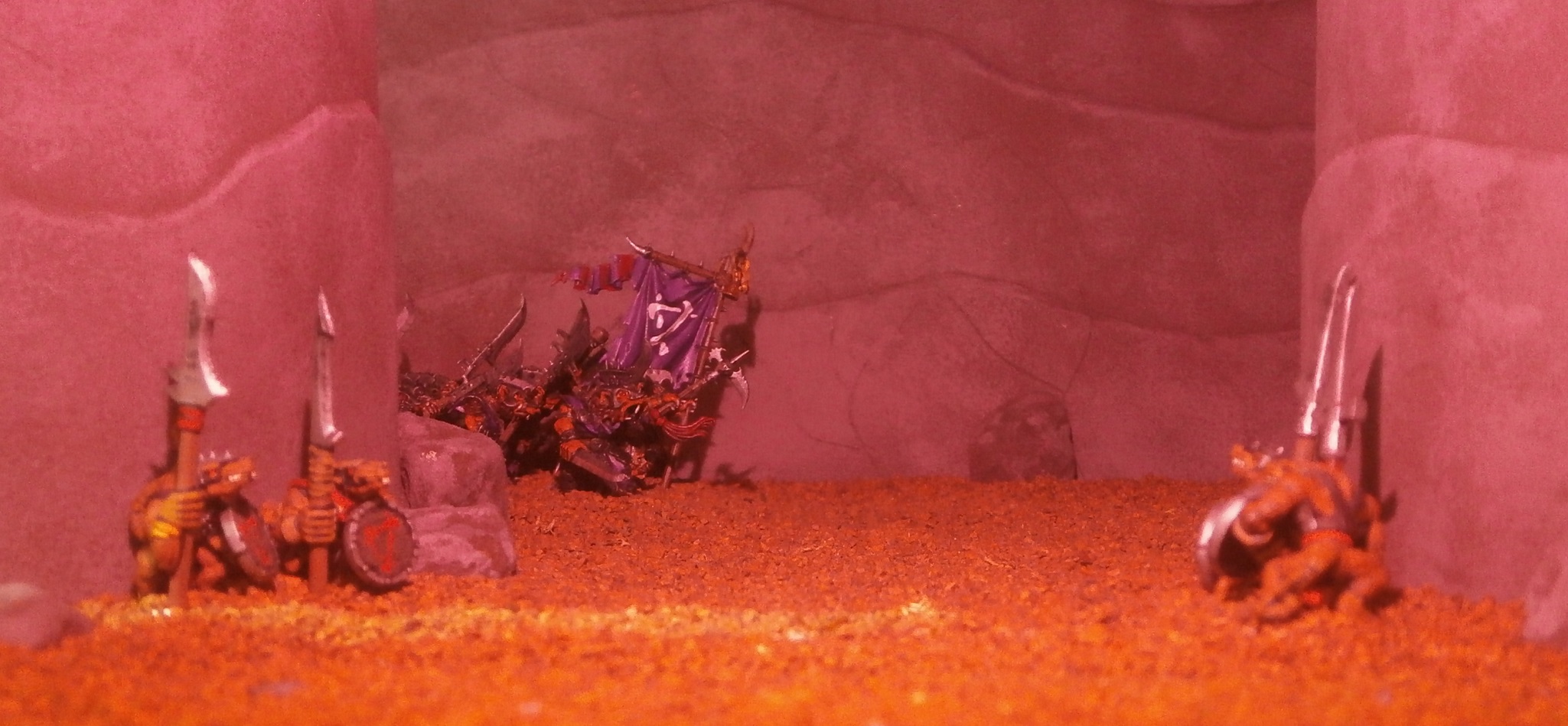
Clad in purple, with a banner of the same hue at their head, its extending pennant fluttering audibly and bearing the horned rat’s rune. These were indeed the bodyguard regiment.

They stood head and shoulders above the tallest warriors in Clan Skravell, and possessed far more than swords and shields. Their main arme blanche was a halberd, viciously hooked and barbed, with a curving, razor-sharp, cutting edge. They wore heavy, steel helmets and overlapping plates of the same enclosing their torsos. Along with tassets, vambraces, greaves, sabatons and spaulders, as well as chain mail additions – part-concealed by their heavy linen robes – they were sufficiently armoured to deflect perhaps most troublesome blows in battle, yet still agile enough to move quickly if necessary.
Vroshkin’s eyes widened. “They will have cost more than any war engine,” he declared.

“I never claim-said that Seer-Lord Cralk’s army was cheaper, only and merely different,” explained Critch.
Lord Urlak’s yellow clad bodyguard had consisted of ordinary warriors, who happened to have survived more battles than most, gaining experience of war. Whether this had made them more likely to fight or run was debatable. But these brute-warriors were clearly cut of a different cloth. Their sheer bulk, their strength, their heavy polearms and armour, would surely mean they fared better against any foe, which in turn must make them less likely to flee?
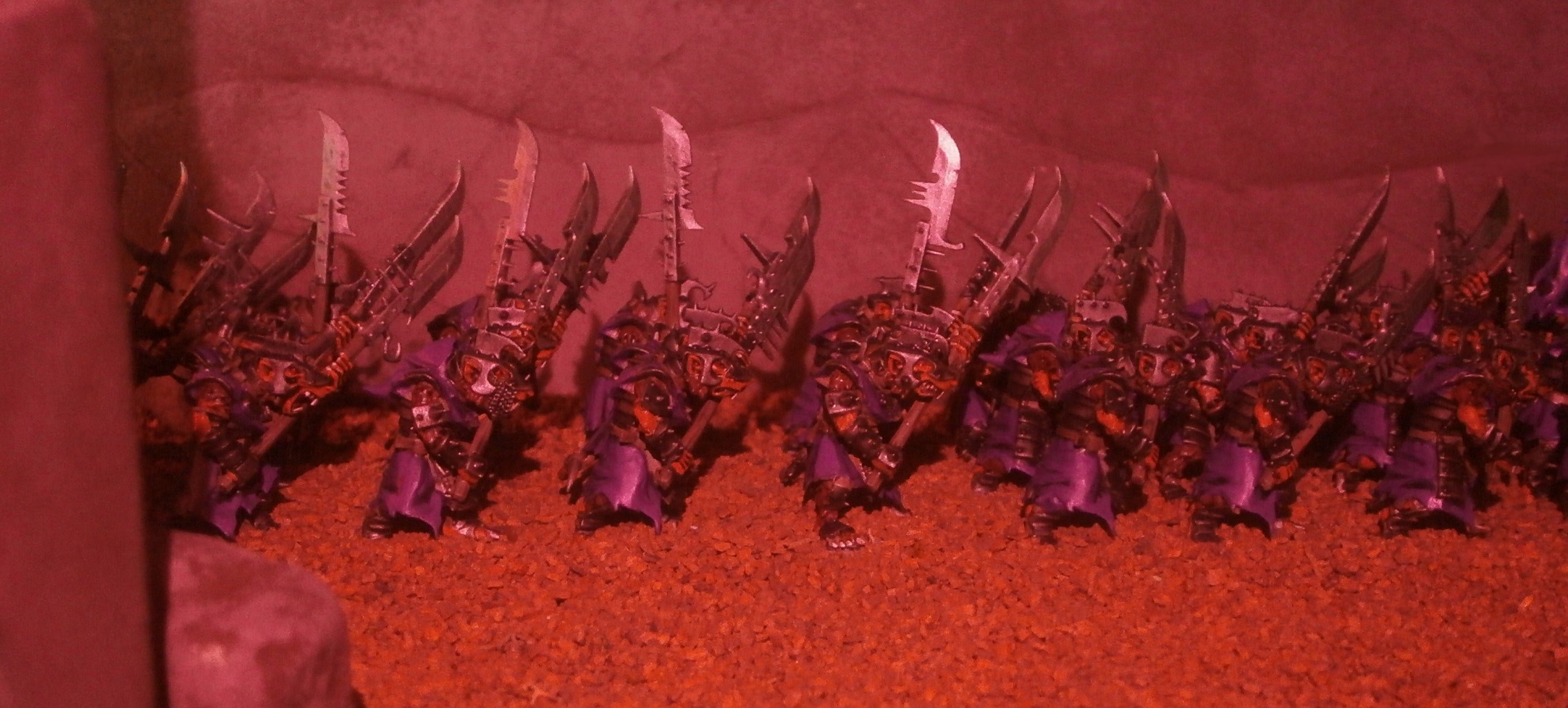
More and more passed by, the gravel crunching beneath their feet and their armour clanking loudly, and barely any so much as glanced towards the four Skravell guards. Those few who did seemed to look right through them, as if Critch and the others were not even there.
“Let’s hope we are commanded to stand behind them in the fight-battle,” said Vroshkin. “Then they can do the killing while we do the watching!”

 BigSmallWorlds
Oh, brilliant! Well played and well written.
LikeLike