Near Ebino, Autumn 2405
The army’s flight from the field of battle was no pell mell affair. There was little in the way of panic, pushing or shoving, due to the last stand made by Thane Narhak’s dwarven warriors, the distracting magics being cast by the still numerous elven wizards and the enemy’s natural reluctance to allow themselves to be drawn too quickly into what might be a trap. But as soon as the ratmen realised the truth of the matter – that the elves and dwarves were not attempting to lure them onto ground pre-prepared for their destruction, but were in truth in full flight – they doubled their pace and became the chasers in the race.
At the bridge near Soncino, where some of the defences had been hastily removed to better allow the army’s passage, a company of elves made a brief stand, daring the leading ratmen to come closer and so suffer a score of casualties to the deadly accuracy of their archery.
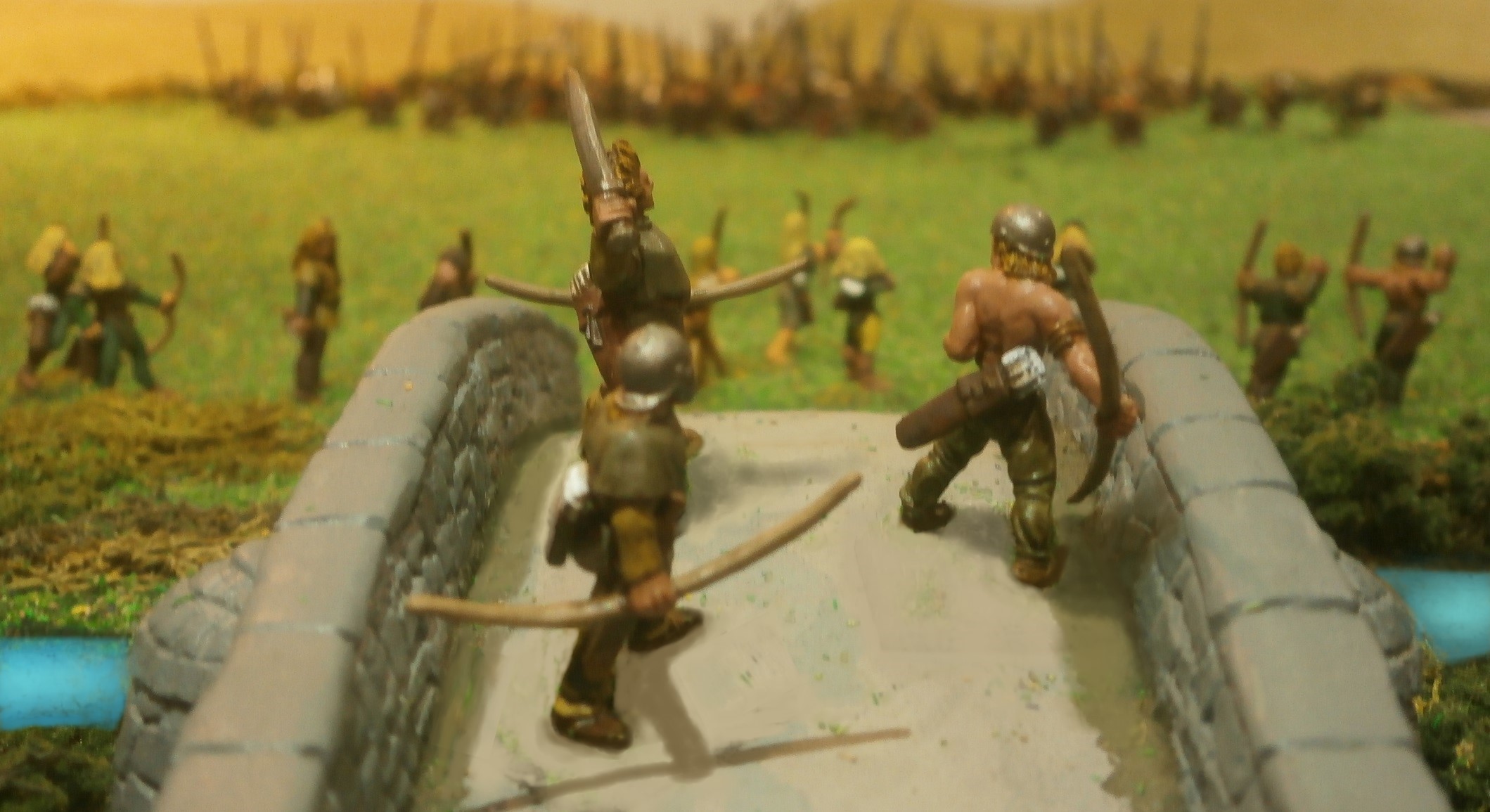
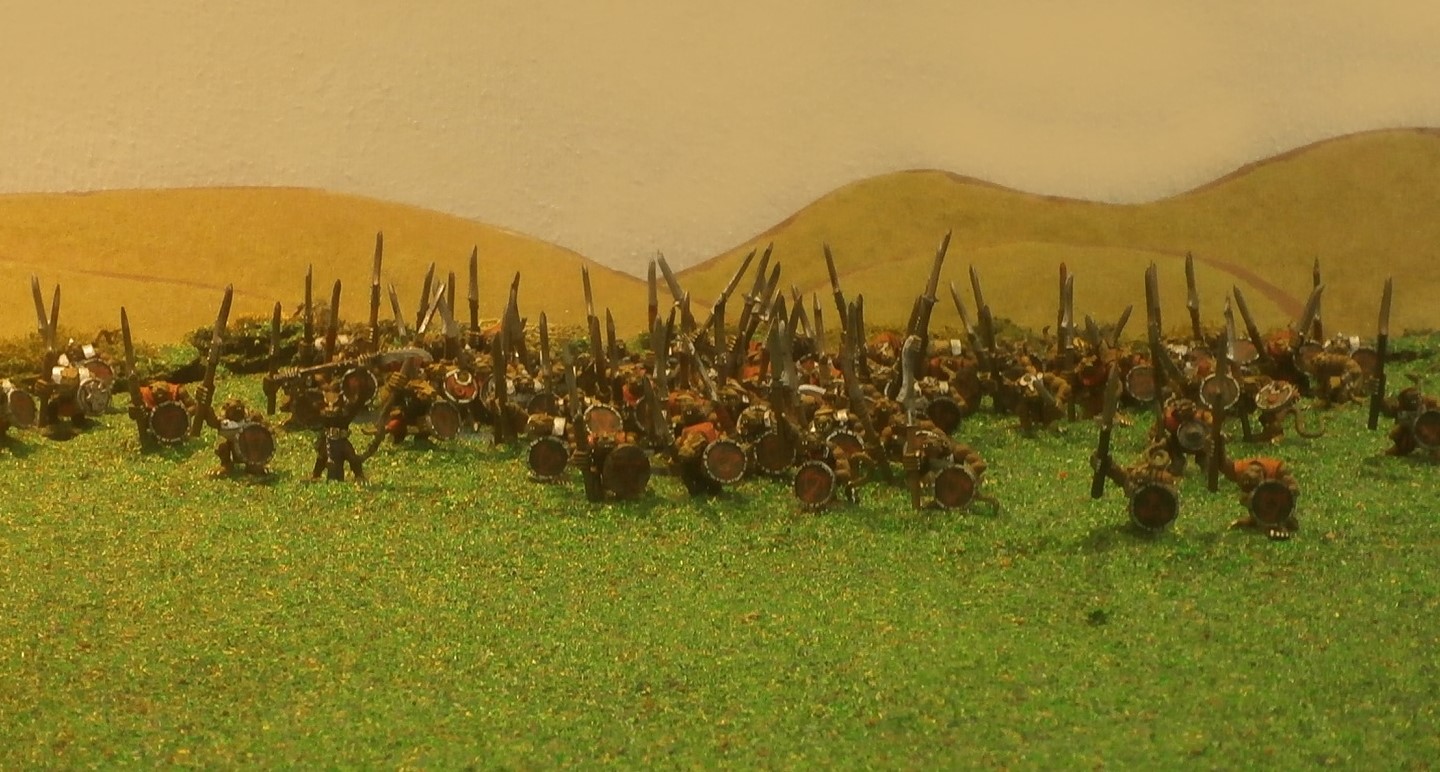
This briefly slowed the ratmen, as their leading regiment dithered just beyond reach of the finely crafted and deadly sharp arrows.

But it was plain to all that the elves’ stand was but a show of defiance, and that once the ratmen had brought up more elements of the army, such as the jezzails and several weapon teams, it would be the elves who suffered the most. And so the spear armed warriors merely screeched and waved their heavy-bladed spears a while, until at last the elves could not risk lingering further and turned to run gracefully and sure-footed over the bridge and away, the noise behind them transforming into cruelly gleeful cheers.
Upon the eastern side of the river, the only men in the army, the Arrabiatti riders, without discussion with army’s nominated general, nor permission, nor council of any kind, took their leave of the army, riding first north-east and then east, intent on returning to their master, the wizard lord Totto, to report all they knew and swell the number of riders under his direct command.

The dwarven commander, the crossbow captain Darnaec Whitmail, ordered his company to make another stand a mile or so south of the bridge, a halt which allowed him to pen a letter which he declared was his duty, as well as buying some time for the artillery piece to make further progress.
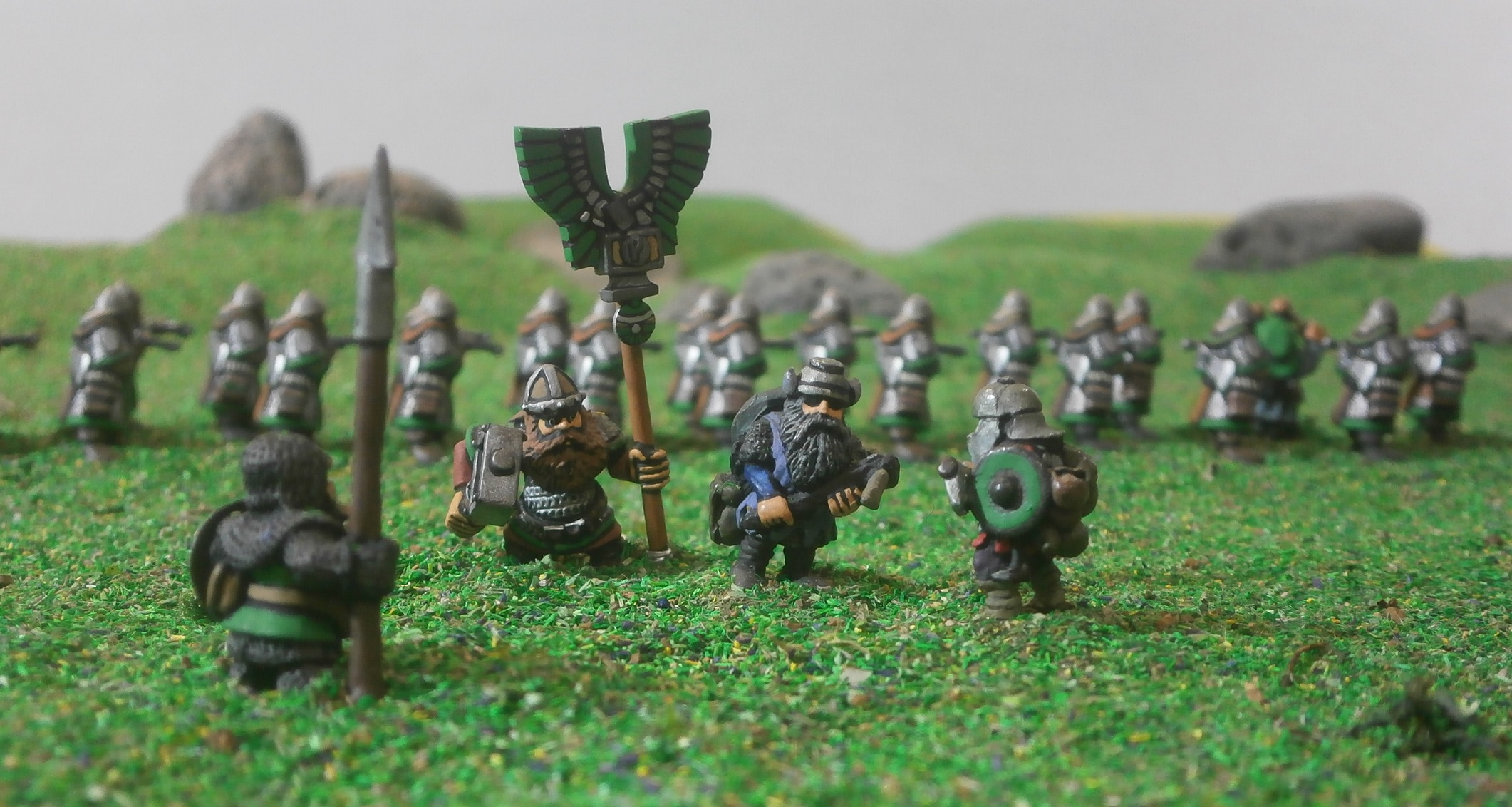
The dwarven quarrels felled a good few ratmen, although amounting to an insignificant loss when compared to the whole, and the letter was dispatched, carried by a lone Arrabiatti rider who had stayed with the dwarves having promised to bear it away.
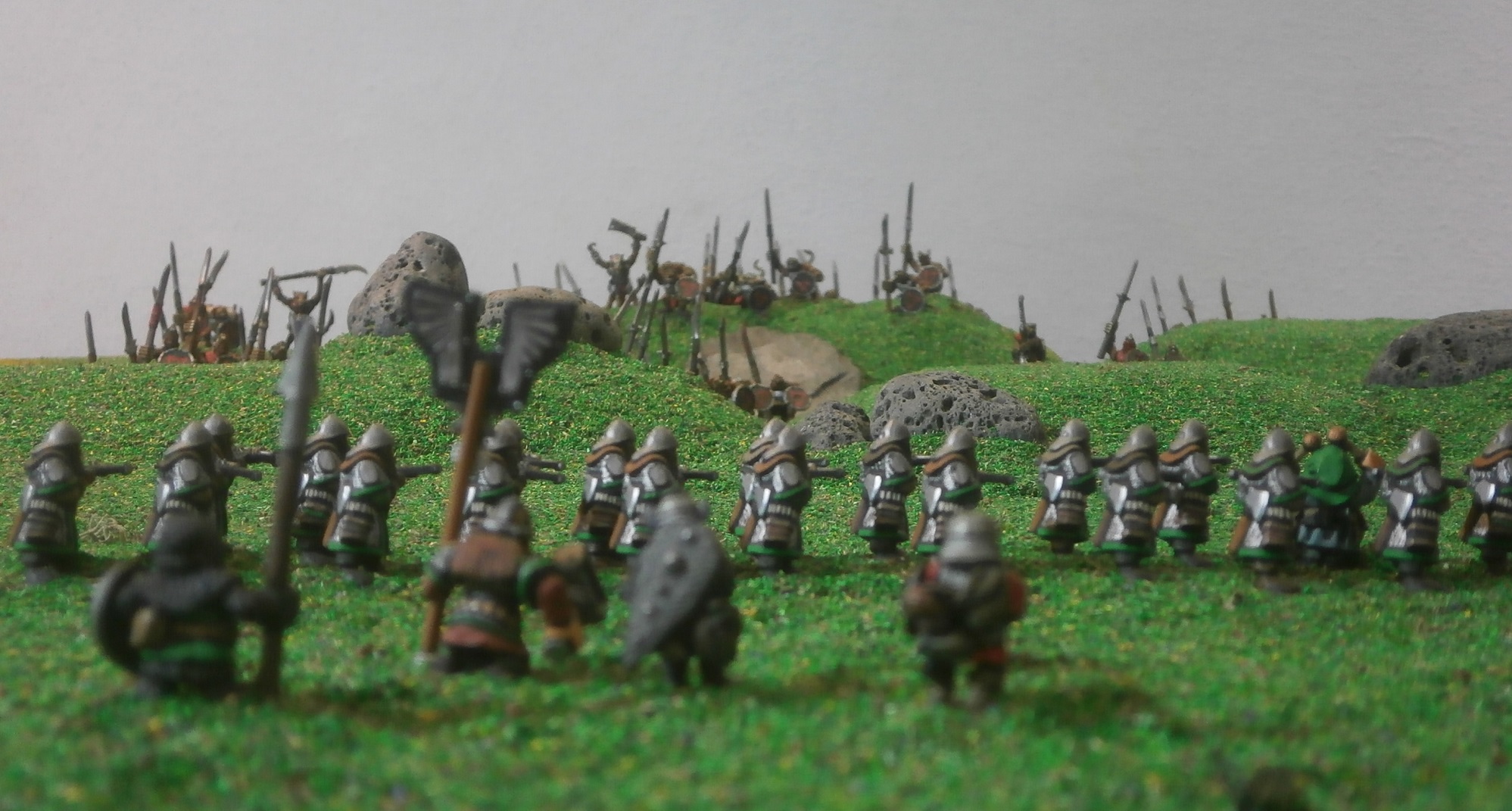
The dwarves, however, had not the fleetness of the elven archers who had stood a while at the bridge, and before long, all were overrun and killed.
The rest of the army, as ordered by Lord Veluthil, made their way in the direction of Ebino, intending to warn the people there as it passed through towards the wooded hills to the little city’s south, on the far side of the River Iseo. Many assumed that Lord Veluthil either expected to meet with reinforcements there or intended to make another stand, this time in the sort of terrain elves could use to their considerable advantage. Some hoped that both were true, for they needed all the help they could get against such an innumerous foe.
The surviving dwarves muttered amongst themselves how it had long been said that the elves’ were able to harness the aid of trees in battle, which was surely what Veluthil had in mind, but had little time to relate the old stories fully, as was their usual wont, for they were (despite the elves’ and Whitmail’s attempts to slow the enemy’s pursuit) struggling to move their artillery piece quick enough. Immediately upon hearing of the dwarves’ delay, Lord Veluthil sent servants to order that they spike the gun, possibly even turn it into a trap to harm any curious ratmen who came close to it.
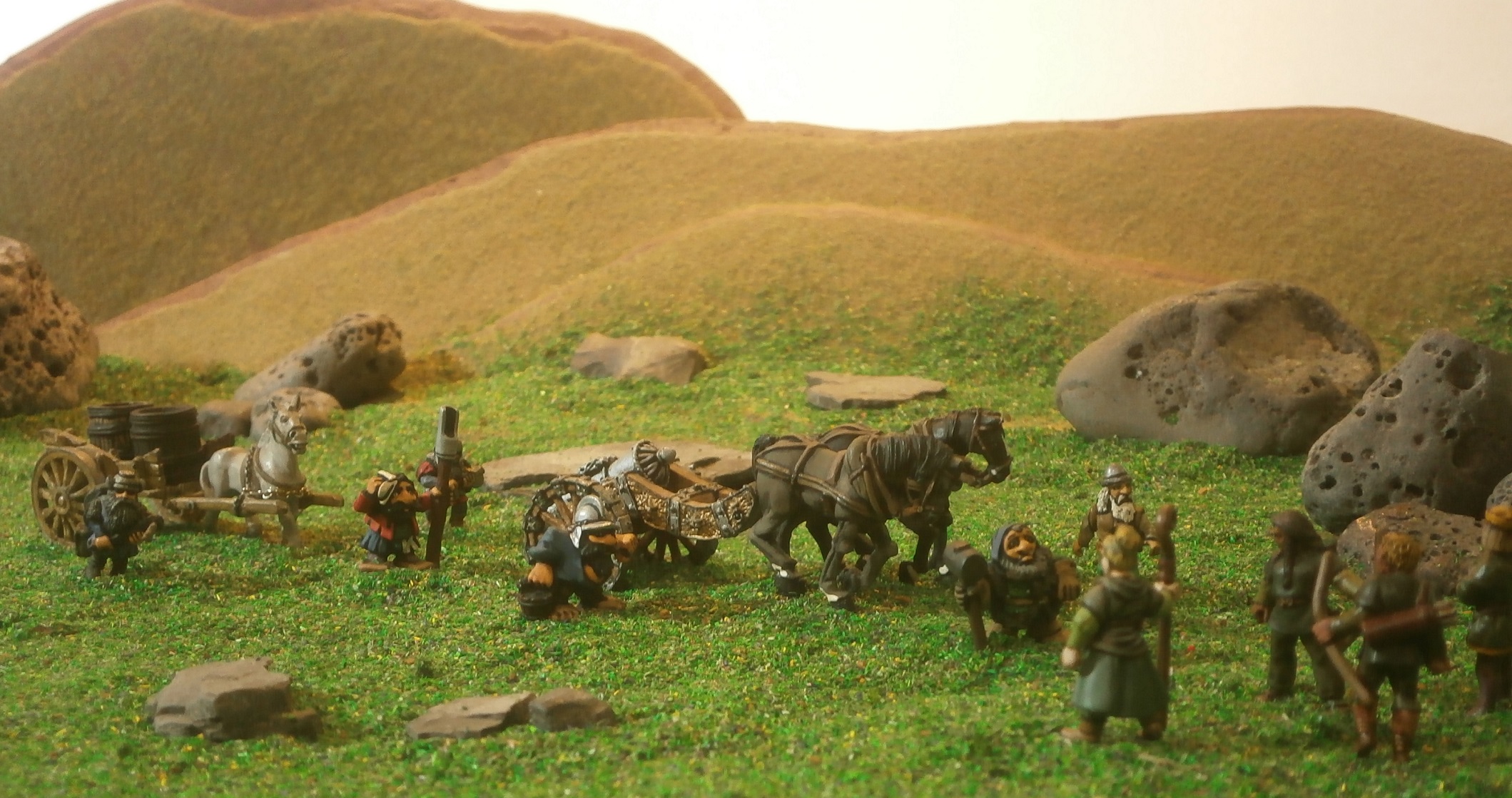
But the messengers quickly learned that the dwarves hauling the heavy piece, being both the gun’s crewmen as well as those from the bolt thrower they had abandoned on the field of battle, were in a somewhat contrary mood, and not at all keen to destroy their charge.
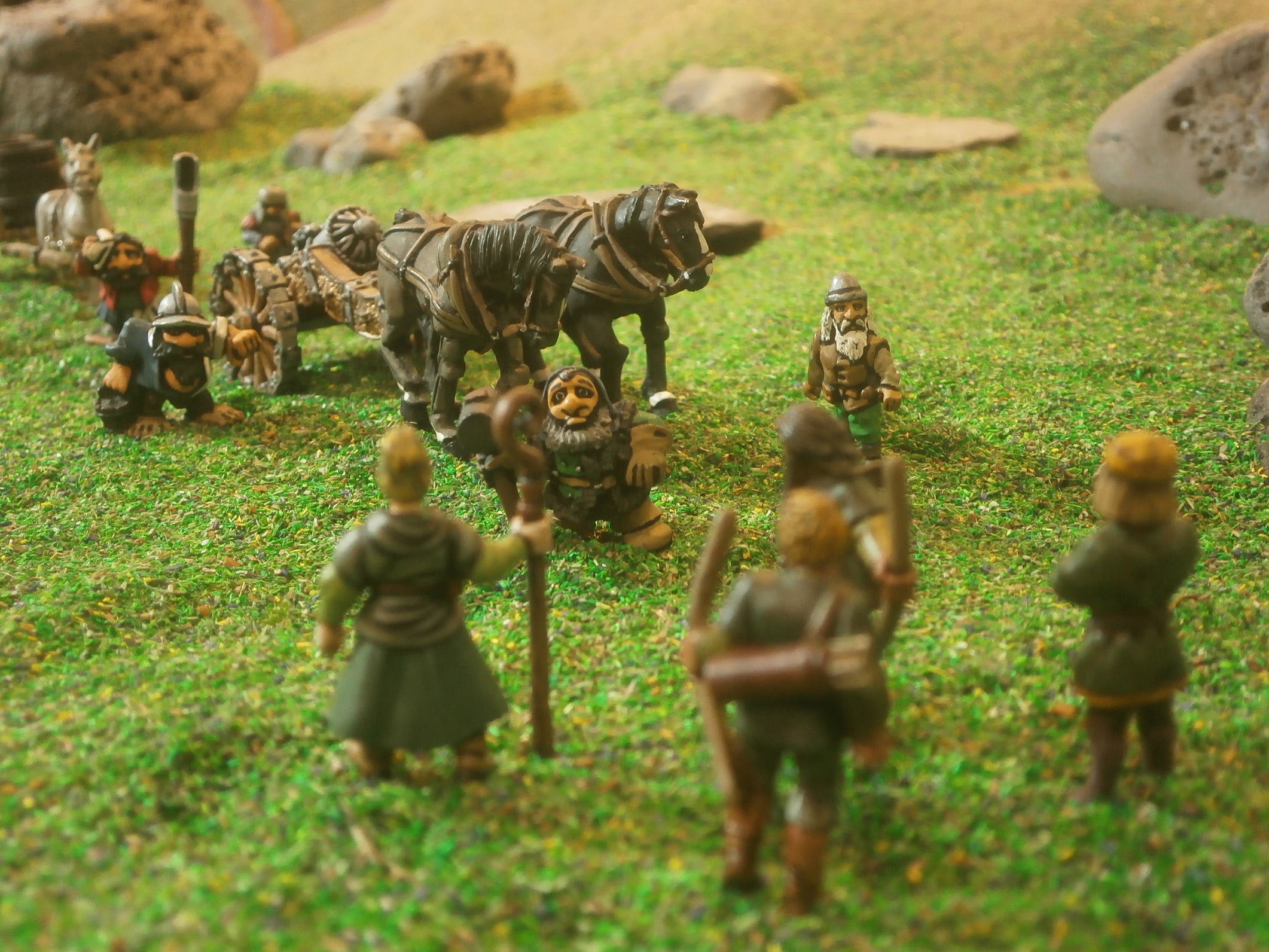
The master gunner himself declared that no elf would tell him what to do with his own gun! At first the messengers were dumbfounded, then one found words enough to speak somewhat hurriedly about the folly, waste and wanton recklessness of such a choice. The dwarves simply waited, welcoming the momentary opportunity to draw their breath or mop their brows, and rather than listening to the elf’s words, instead pondered the sacrifices already made by Thane Narhak and his warriors, then Whitmail and his quarrellers.
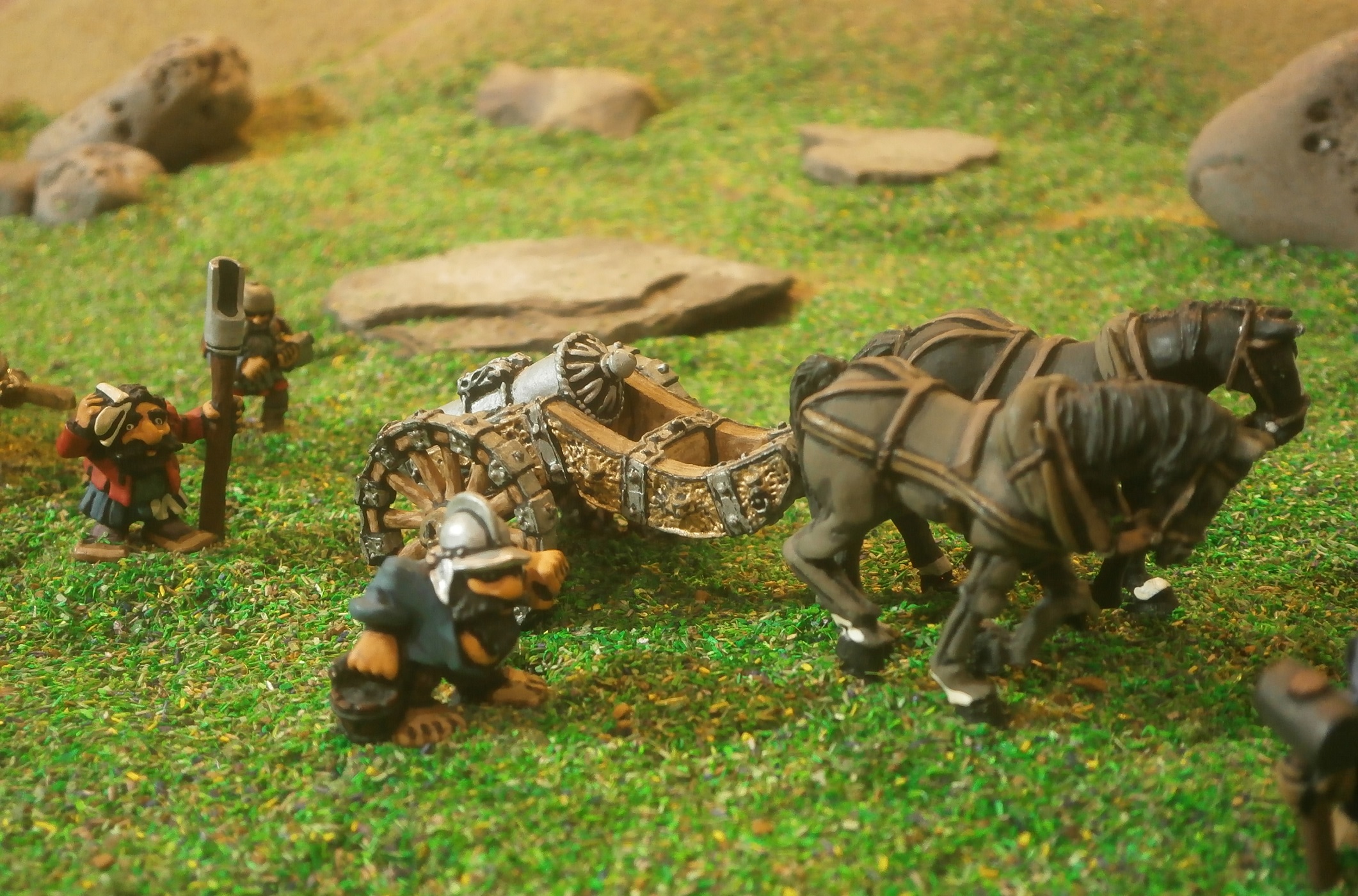
In the end the master gunner simply said,
“Best leave now, good lady elf. You are in our way, and we have not the time to chat.”
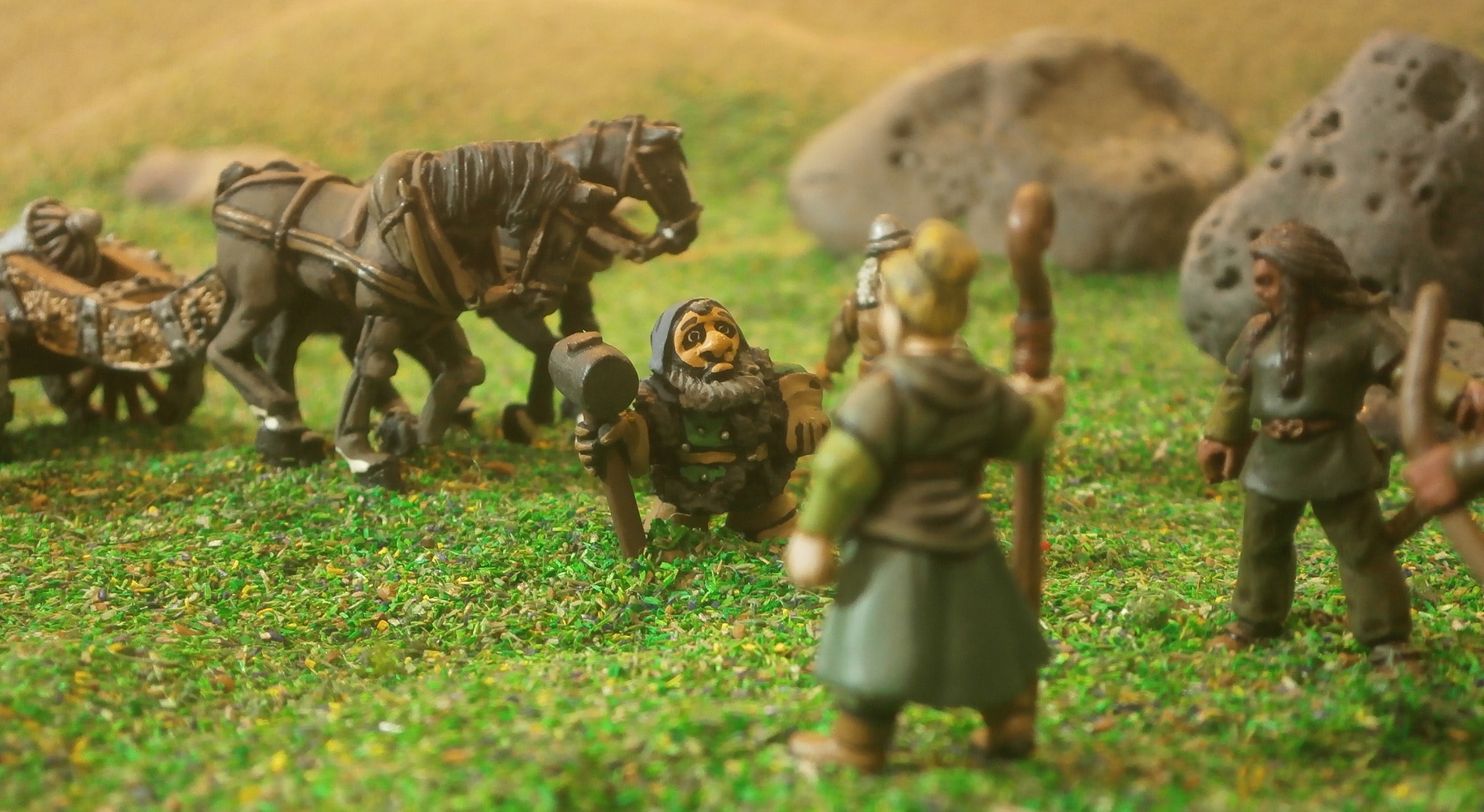
At which the elves departed, some shaking their heads at the dwarves’ stubborn pride, others recognising the power of that pride, especially when combined with a resignation to one’s fate.
Of course, the enemy had been moving all along, and although they would have caught the dwarven gunners soon enough, they did so a little sooner as a consequence of the elves’ brief discourse. Furthermore, they had brought up the jezzails and a company of poisoned wind globadiers to the front, believed best able to thwart any elves or dwarves with bows who intended another stand at another bottleneck.

The globadiers had a weapons team with them, bearing a mortar-like weapon, strapped to the bent, and no doubt aching, back of the rear ratman, which lobbed grenadoes much further than the rest could throw them.
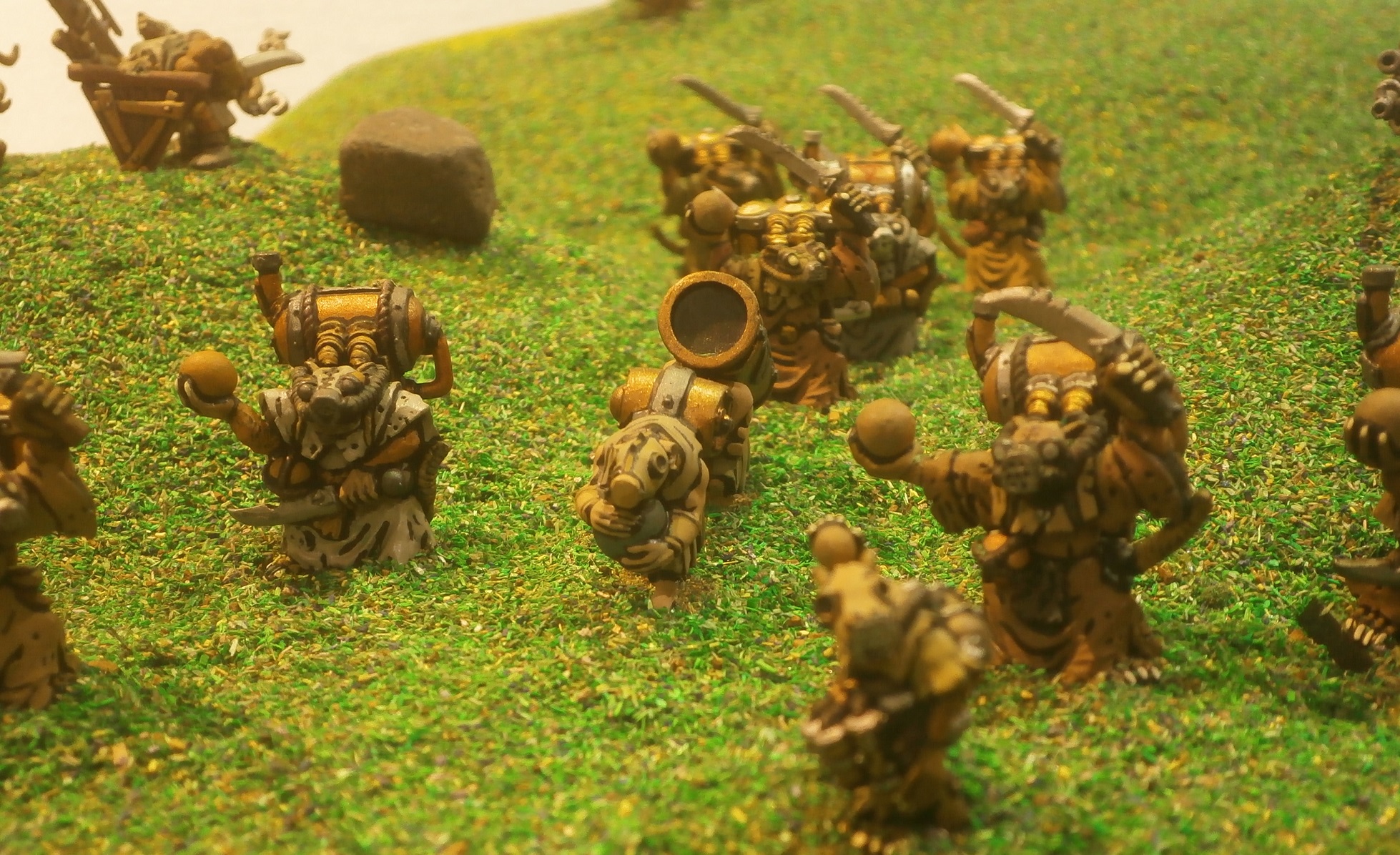
The dwarves knew escape was impossible, but intended to go down fighting. Why should they live when their brave fellows had sacrificed their lives? Besides, they would not have the enemy believe that dwarves were afraid of ratmen. So, they unlimbered their piece and prepared it to fire one last time.
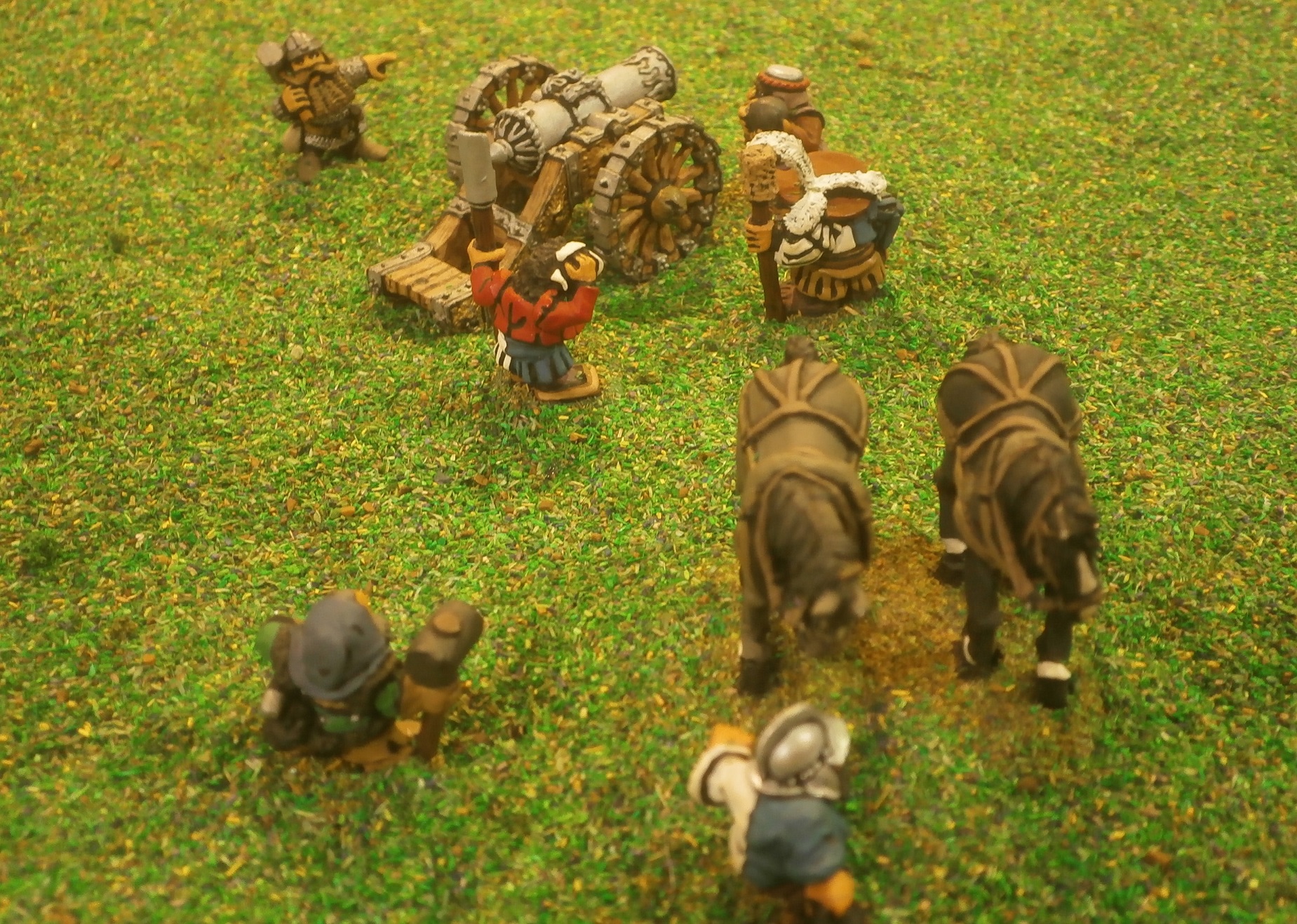
What followed was a brief fire fight, while the main bodies of rats kept a safe distance away, flowing in wide arcs to circumnavigate the trapped dwarfs. Jezzails spat burning bullets of sky stone to plunge deep into dwarven flesh …
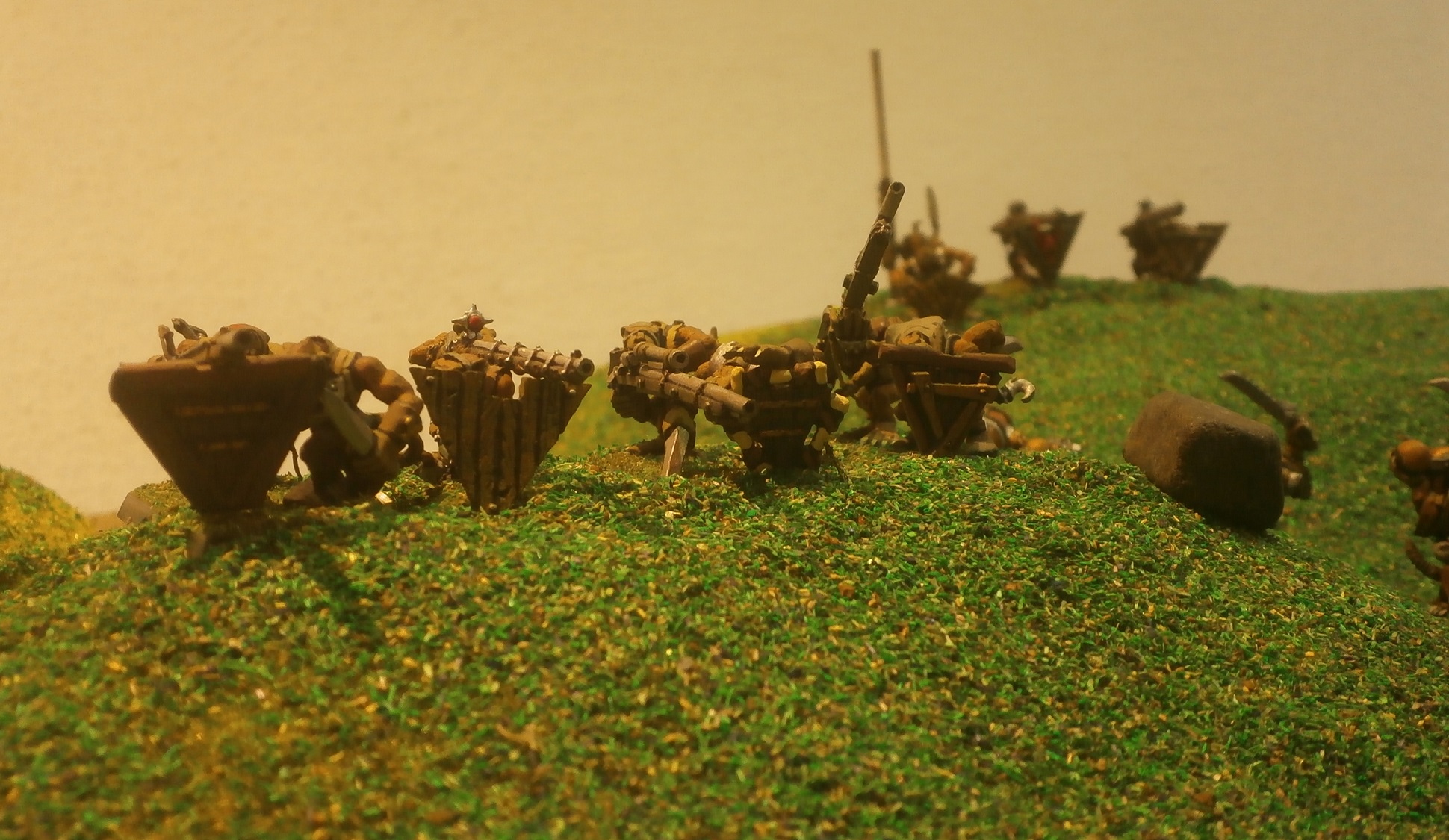
… and did so again and again, delivered by little companies atop several of the mounds.
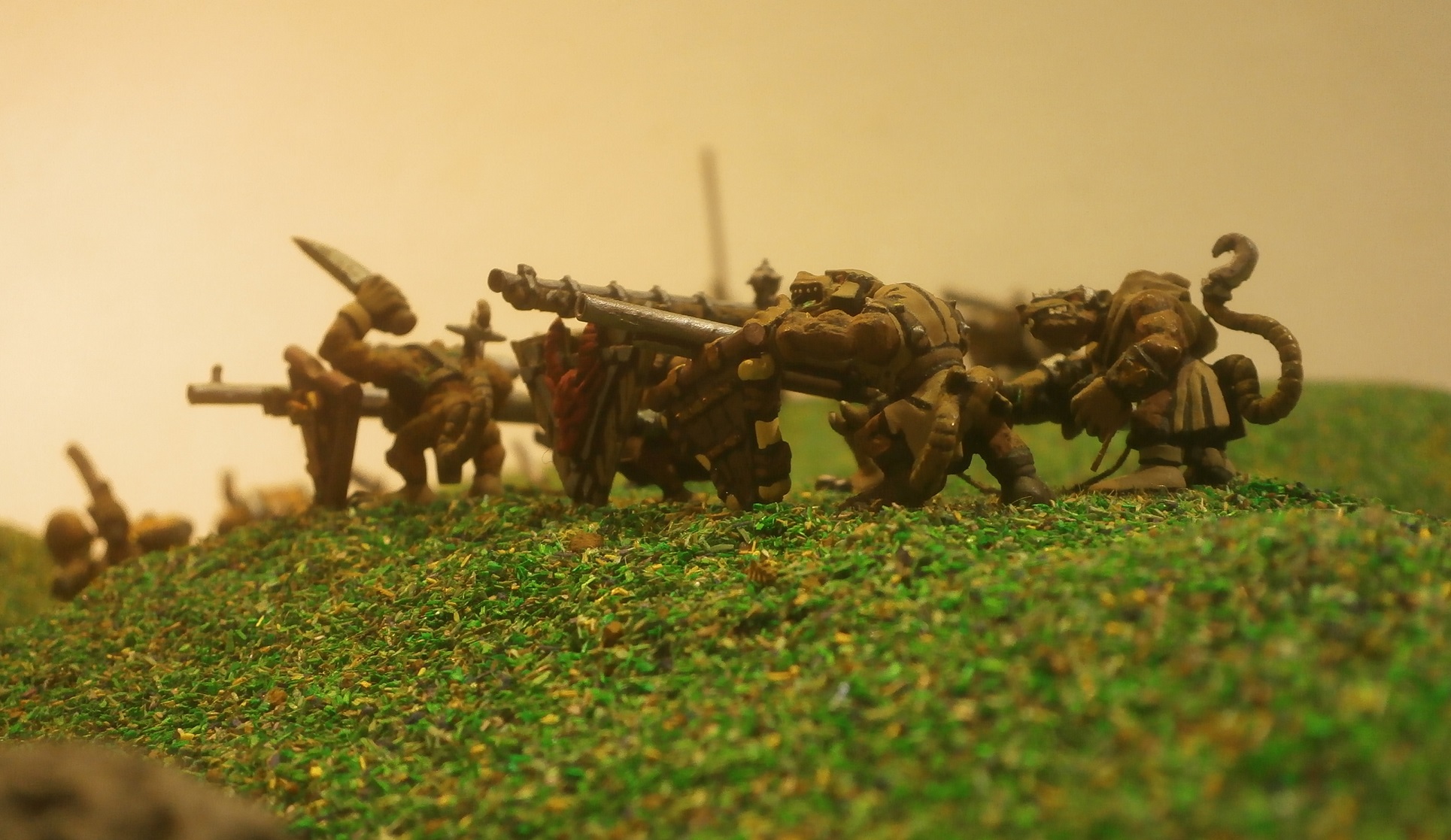
But their volleys could not prevent the piece’s discharge …
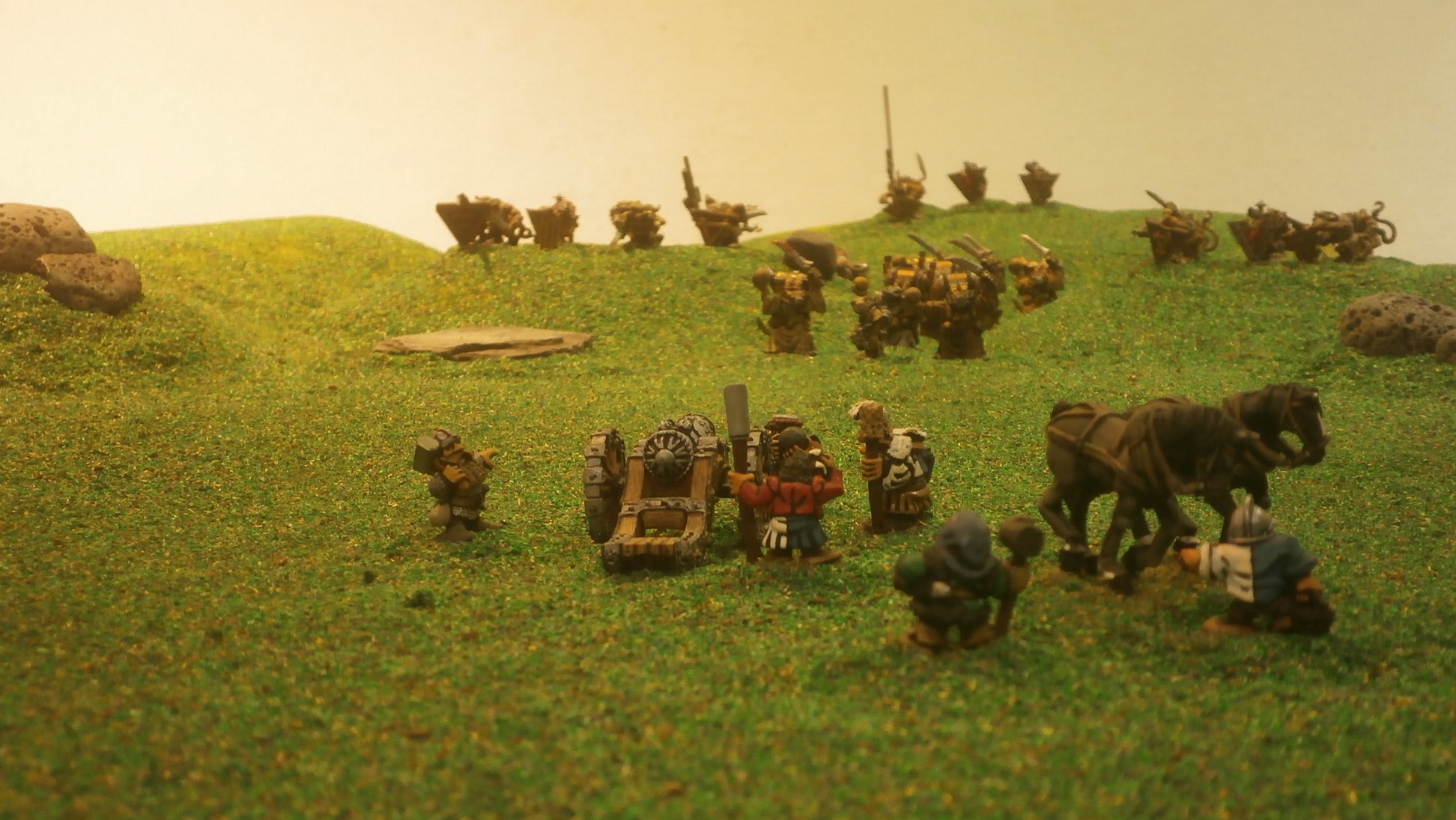
… which sent a roundshot to tear through the mortar bearing weapons team, shattering both bones and metal with its passage.
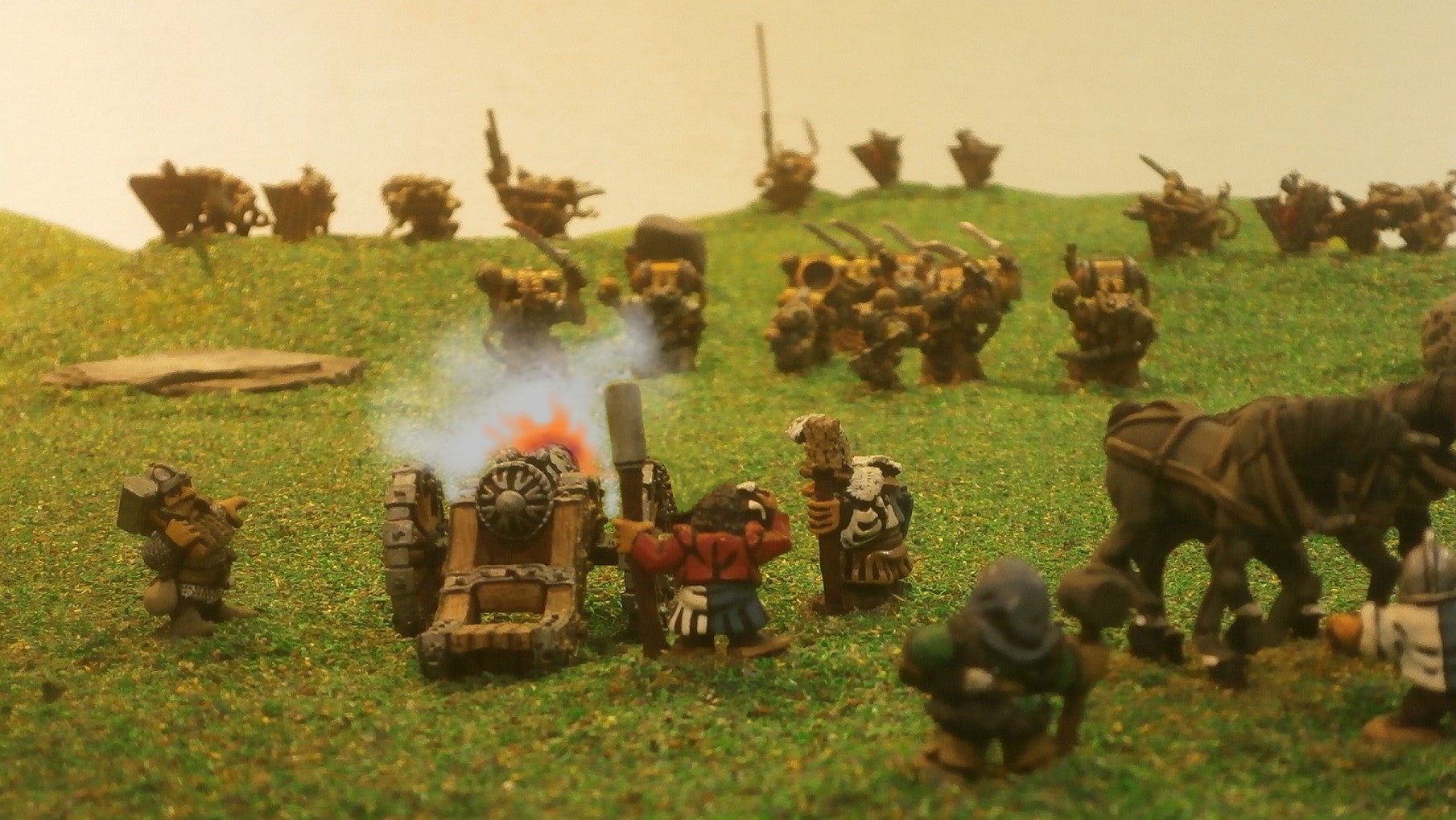
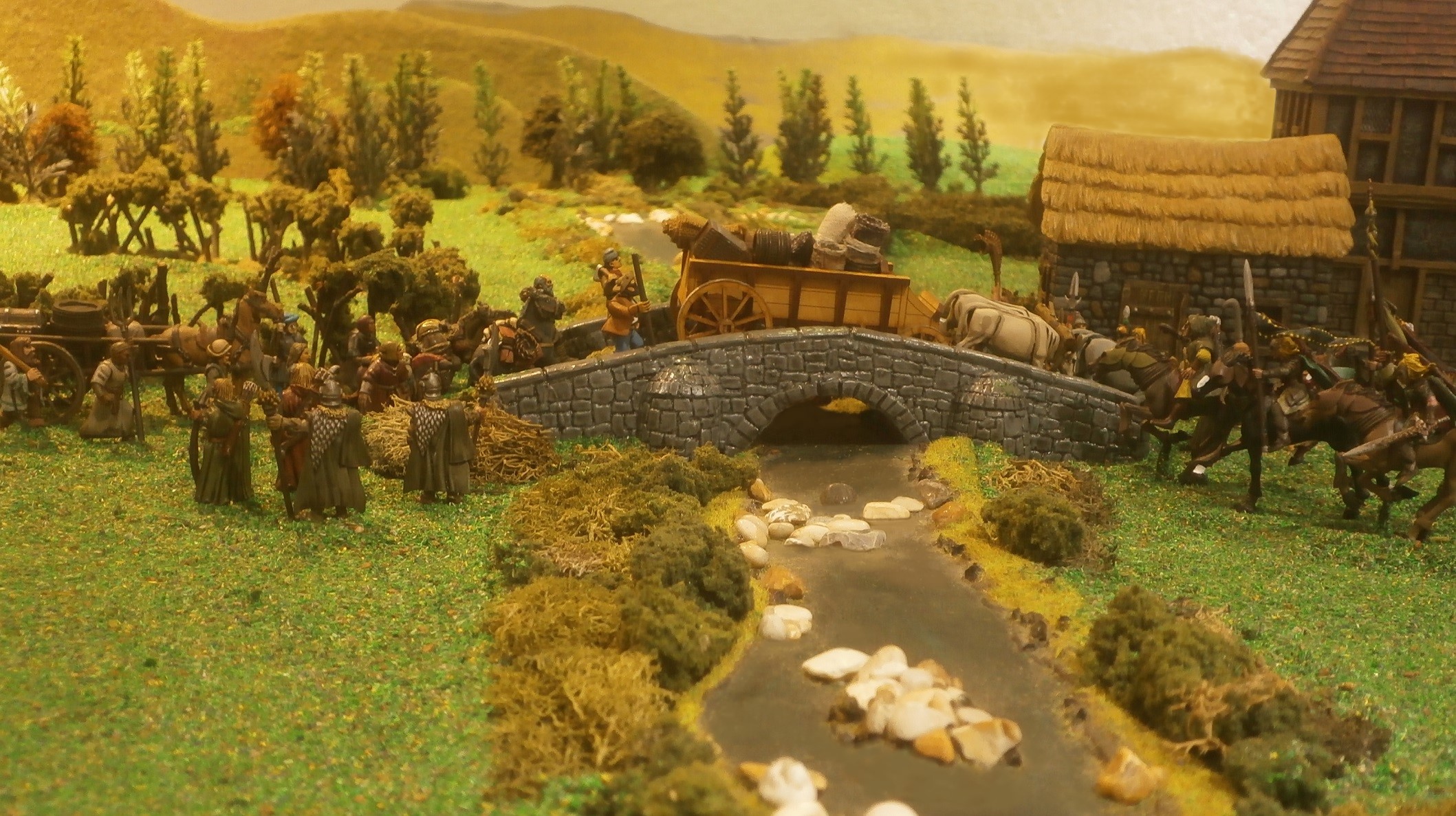
Not a dwarf was to escape, but the enemy had been slowed just sufficiently for the elves to warn the people of Ebino of what was approaching, so that they too might flee before falling into the enemy’s clawed hands. Some took what few possessions they could carry, while others, heeding fully the urgency elicitied by the enemy’s proximity, simply ran directly to the roads and bridges from the fields.
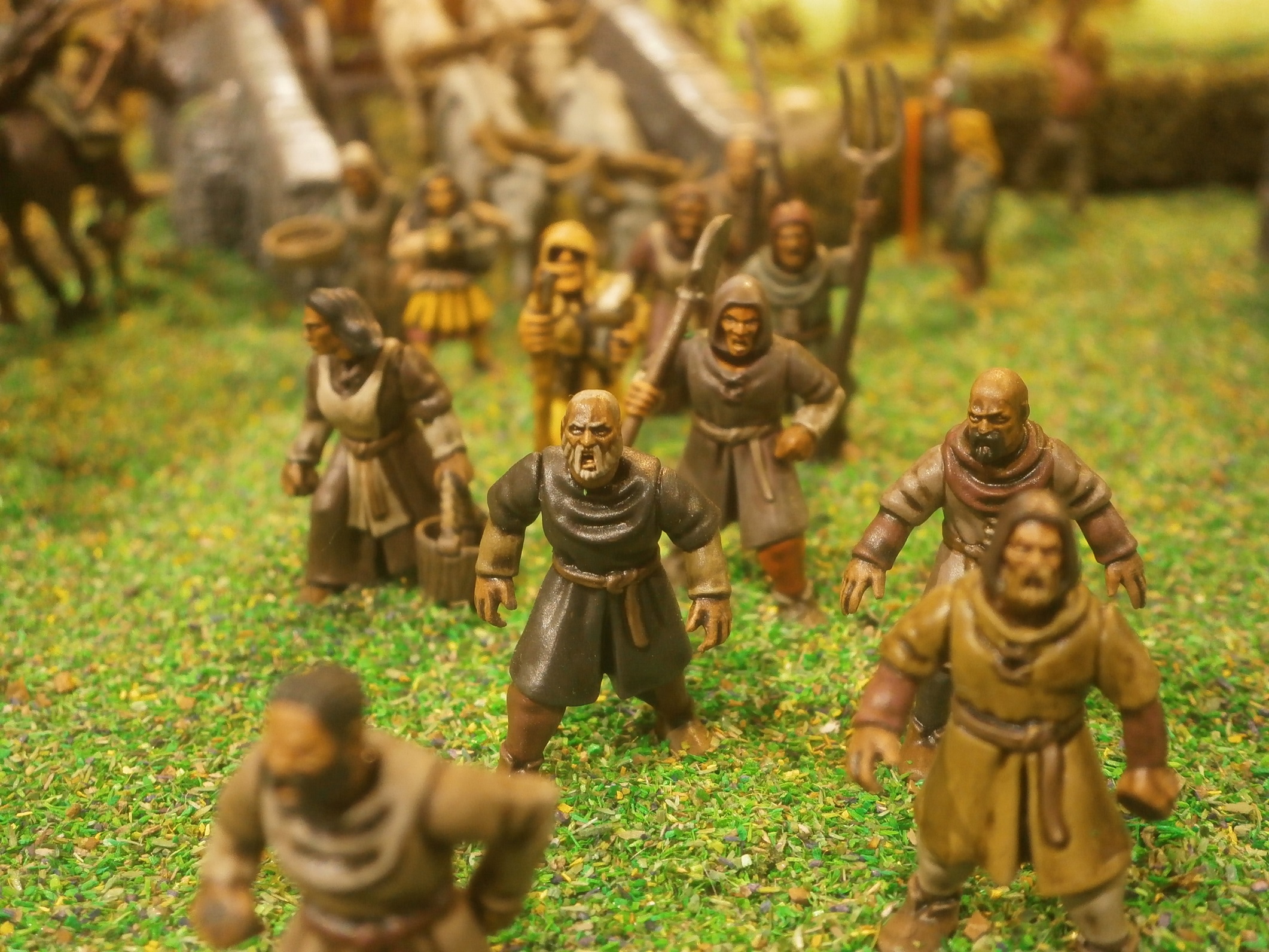
There was confusion at the bridges as the crowds attempted to cross, with great, creaking wains, piled with goods and possessions, blocking the way …
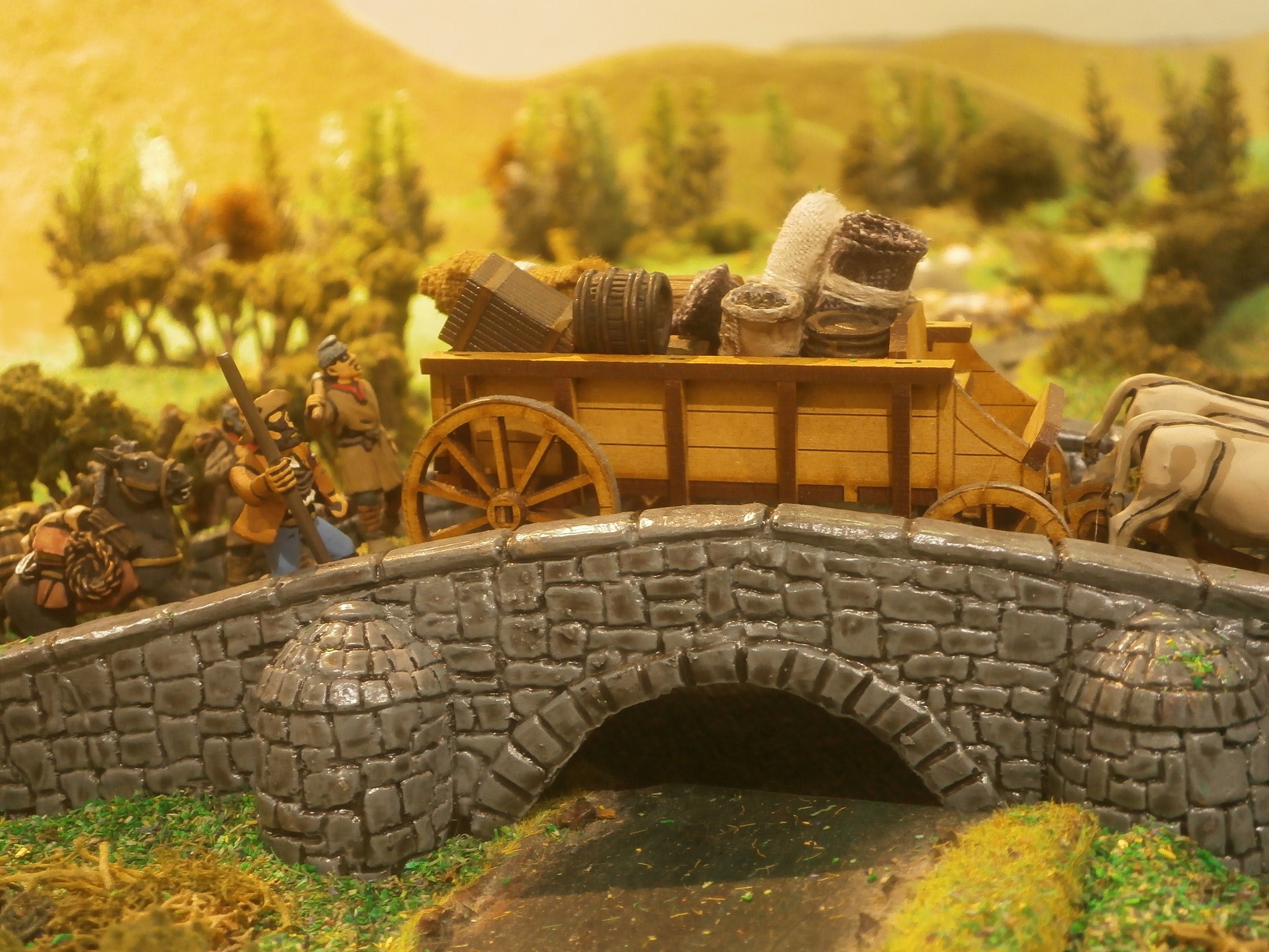
… so that those behind grew ever more desperate and fearful. The elves did what they could to bring order to the process …
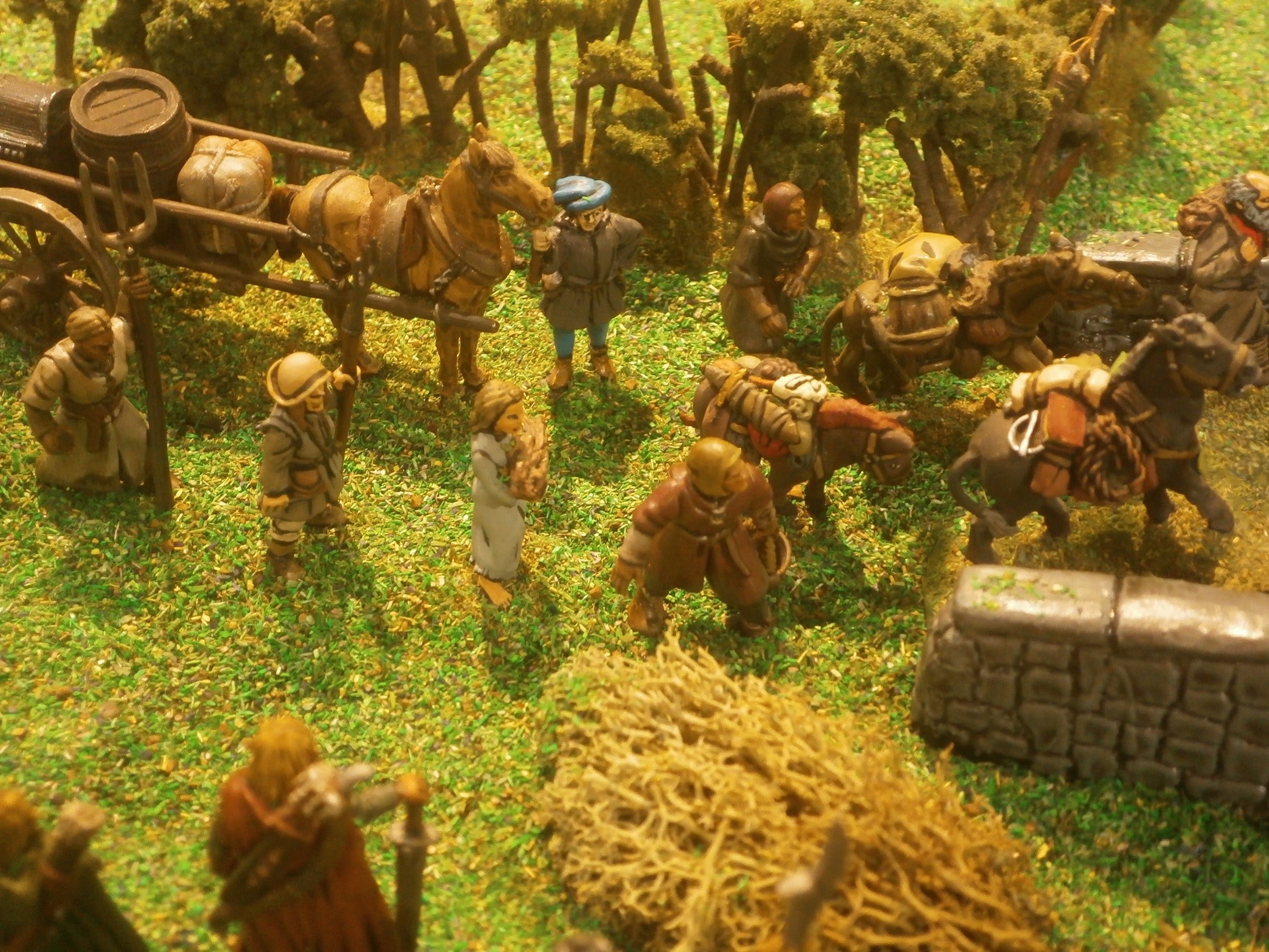
… even Lord Veluthil himself.
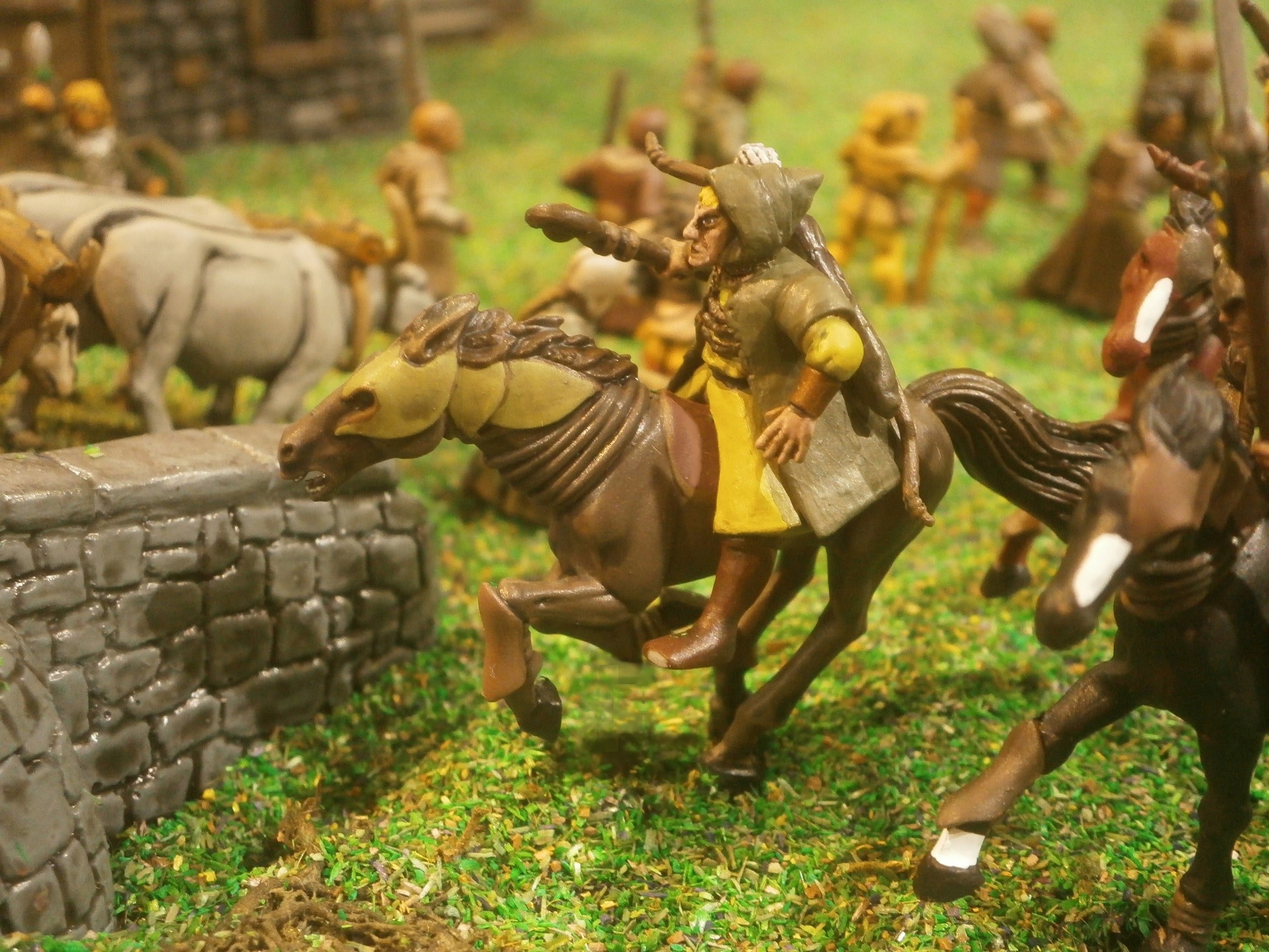
But the people were disinclined to listen to elven commands while so distracted by their need to escape, and the elves were unable to hide their frustration at how the people’s flight hindered the progress of their own army. None, however, came to blows, apart from a few arguments between spiteful neighbours, and somehow the army and most of the populace of Ebino crossed successfully and safely.
It was that very day that Lord Veluthil received welcome news. Within two day’s march was the army of Remas, which had originally been part of the short-lived alliance brought into being by the Pavonan Lord Silvano. Rather than return home after the alliance’s fracture, they had been convinced by the Sharlian Riders (a reformed company of mounted elves that Lord Veluthil had sent to assist Lord Silvano in the war against the ratmen) to continue their march north, there to fight beside elves and dwarves rather than Pavonans and Verezzans as they had formerly envisioned.

The Sharlians had only been provisionally under Silvano’s command, with orders to leave should he do ought but his utmost to fight the ratmen. The moment he rode south to join the war against the Verezzans, any obligations they bore ceased. And so they turned north, bringing with them the soldiers of Remas.

It was not the city state’s full army, and was bereft of mounted men at arms (what with the knightly Cavalieri Benedetti having been almost obliterated at Palomtrina, and such noblemen being a rare breed they were hard to replace) but about a quarter of the soldiers had been at the winter battle, part of the only army in recent years to defeat the ratmen in the field.
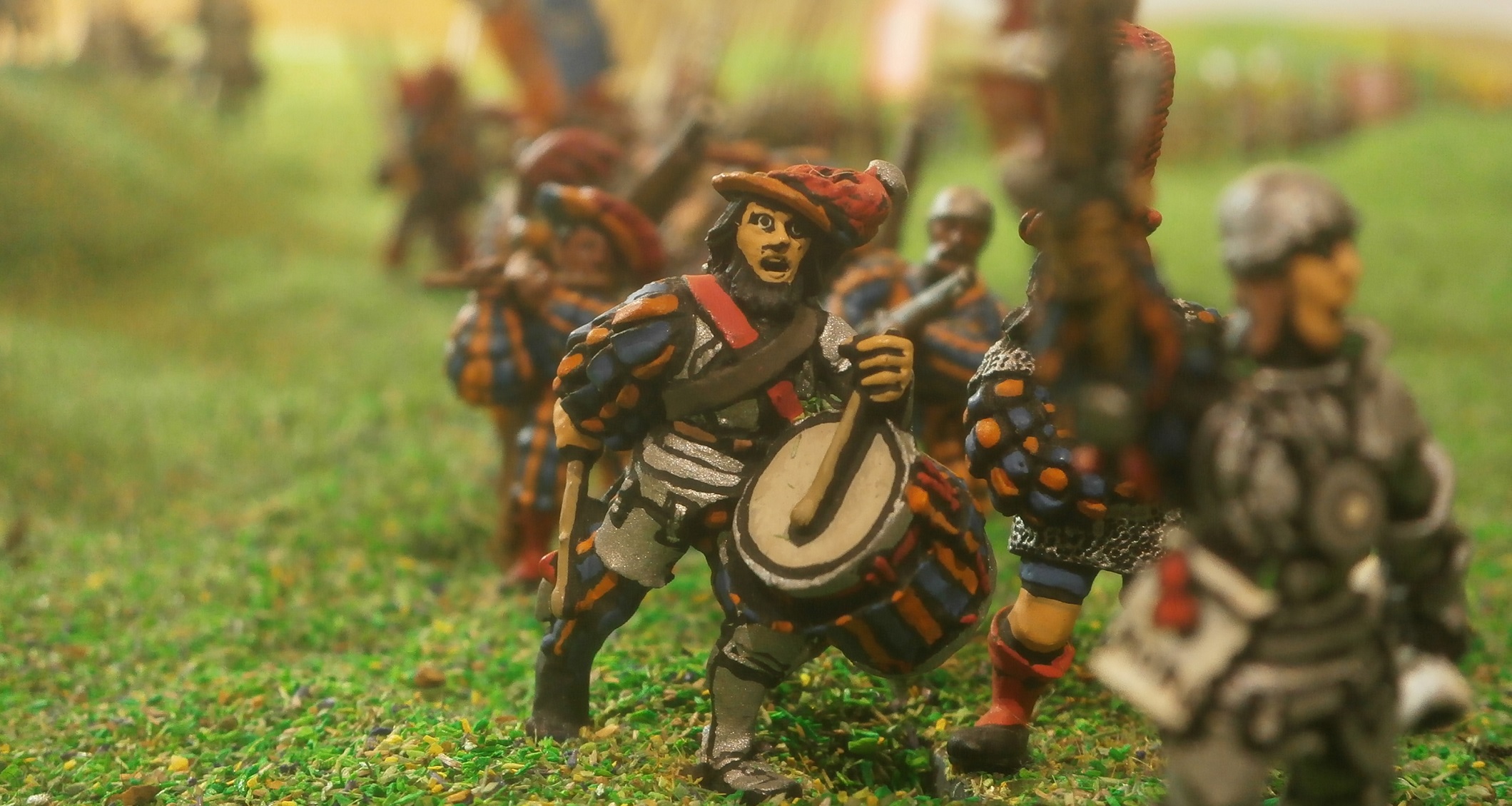
Marching in that column were men who had witnessed Lord Urlak’s bloody death with their own eyes, and many more who had hewn the foe’s furred flesh in brutal melees. There were men who were now convinced that they were the god Morr’s agents in the mortal realm, blessed and protected by all the lawful gods. Of course, a good many more than half were fearful, even some of those who had been present at Palomtrina, but they knew better than to voice their concern, for why risk disheartening those who would be at their side in battle? Why jeopardise the army’s fighting spirit when defeat in battle against the uomini ratto would likely lead to the death of every soldier?
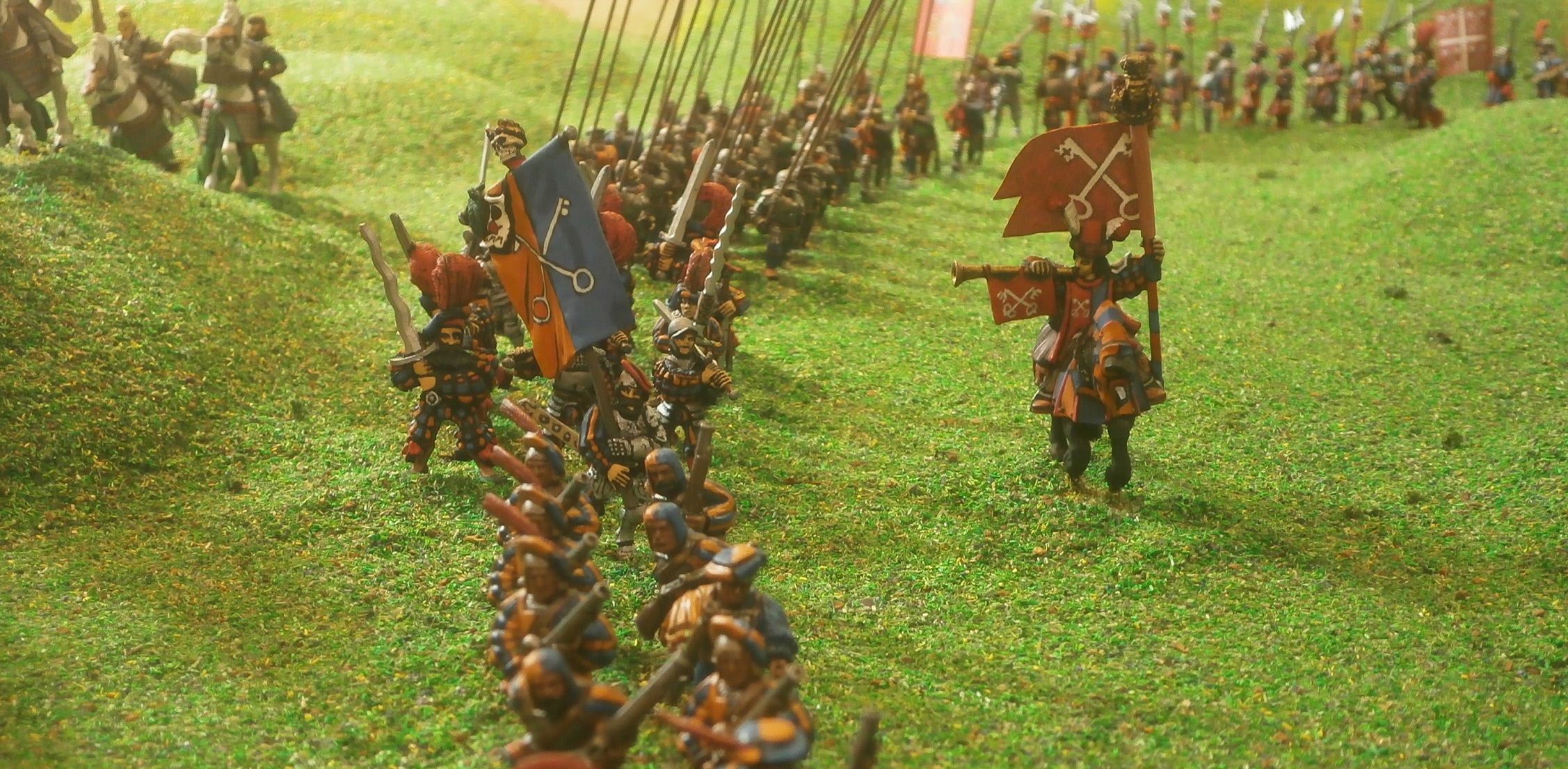
And so, Lord Veluthil gave the order to change course: the army would not head for the trees, but instead down the road towards Pontremola, towards their new allies. In the next battle, rather than several handfuls of dwarves, they would have the rank and file of Remas with them.
Better still, after only an hour or so on the road, the elven lord learned from Ascal’s warhawk riding scouts that his own reinforcements, including Captain Hedre Eedwillow and her River Watch archers, as well as the Wild Riders of Melitaur, were only a dozen leagues or so away – already close enough that should battle be joined in the next few days, they would surely arrive in time to join the fight.
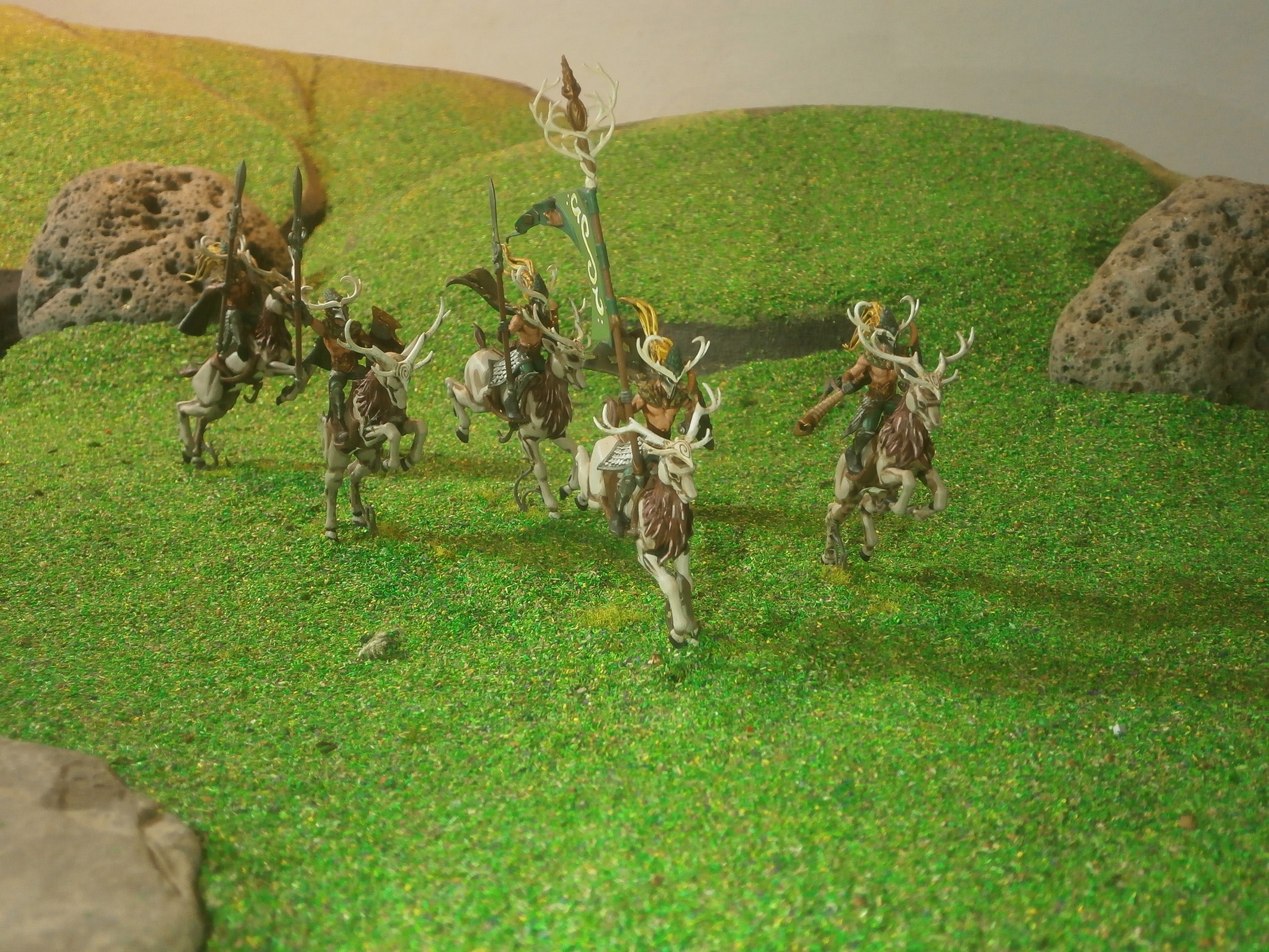
It had been over an hundred years since the wild-riders had left the sylvan bounds of Tettoverde, yet here they were, riding among grey rocks in the open hills of Usola. The hurt done to the forest by the ratmen’s doom-bombard, a befouling poison that would leave a great swathe of land like an open wound on living flesh for many a decade, if not more, had so angered them that they were willing to ride wheresoever for revenge, and to ensure that the enemy came to deeply regret their foul folly.
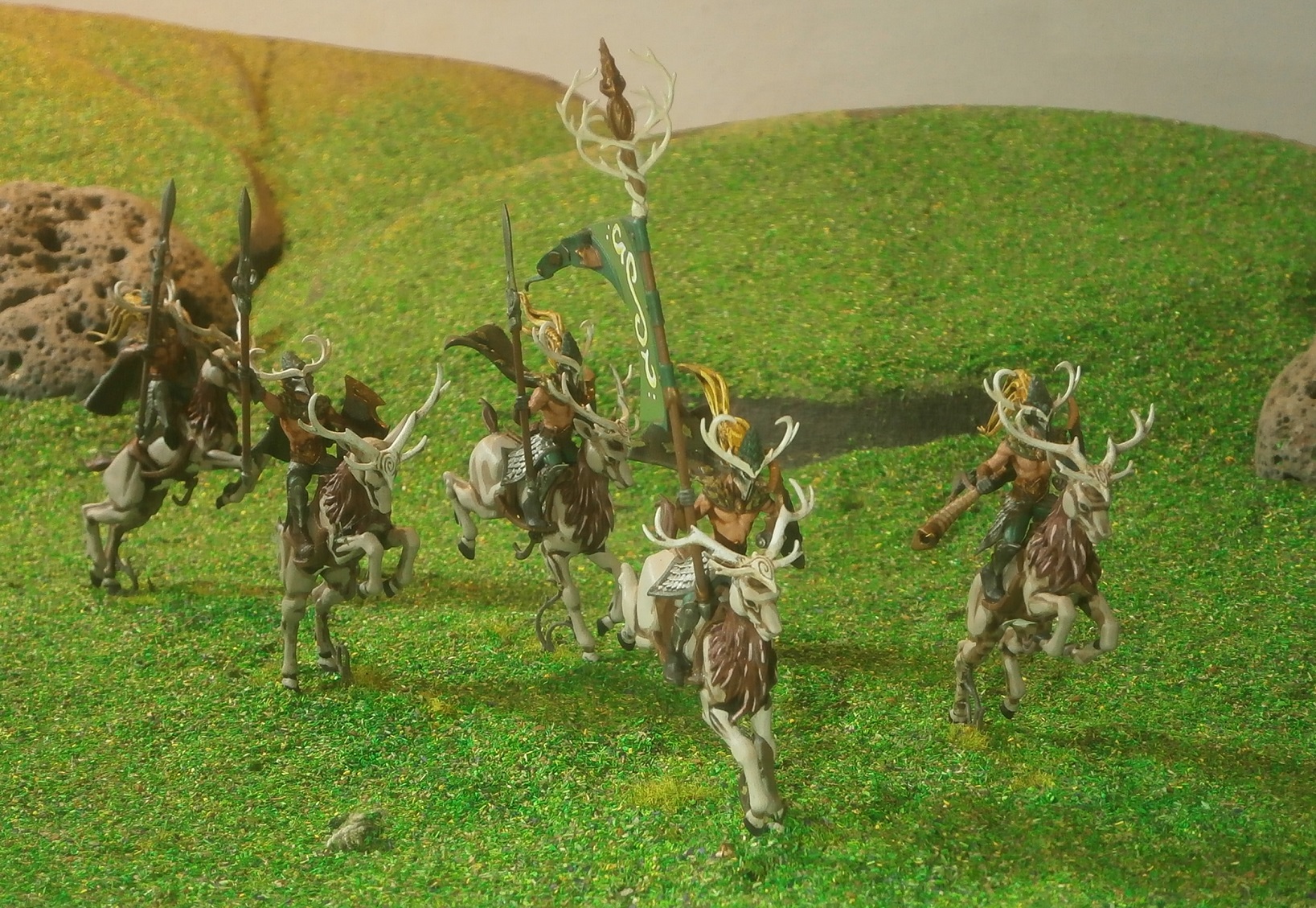
Theirs was an ancient prowess, nurtured by arcane, magical operations and honed through long practise, and their yearning for battle gave them such speed that were it not for their concern for the safety of those they escorted – Hedre and the glade archers – that they would have weeks since left their companions behind, and most likely have met Lord Veluthil even as he crossed the bridge at Soncino. Their dutiful restraint, however, meant that they had exhausted none of their strength, the better to rend and carve the foe in gracefully gruesome combat when the time came.
Thus a new alliance army was to come together, despite the enemy’s keen haste, and a great battle would be fought in the western reaches of Usola.
Could men and elves put an end to this second great verminous incursion?

 BigSmallWorlds
Padre, your campaign is a ceaseless array of wonders; a tale of heroism and terror in equal measure. I love it! Your players are incredibly lucky to be a part of such a glorious undertaking, and my hat is off to all of you.
LikeLiked by 1 person