The End of Autumn, 2405. (Part Two of Three.)
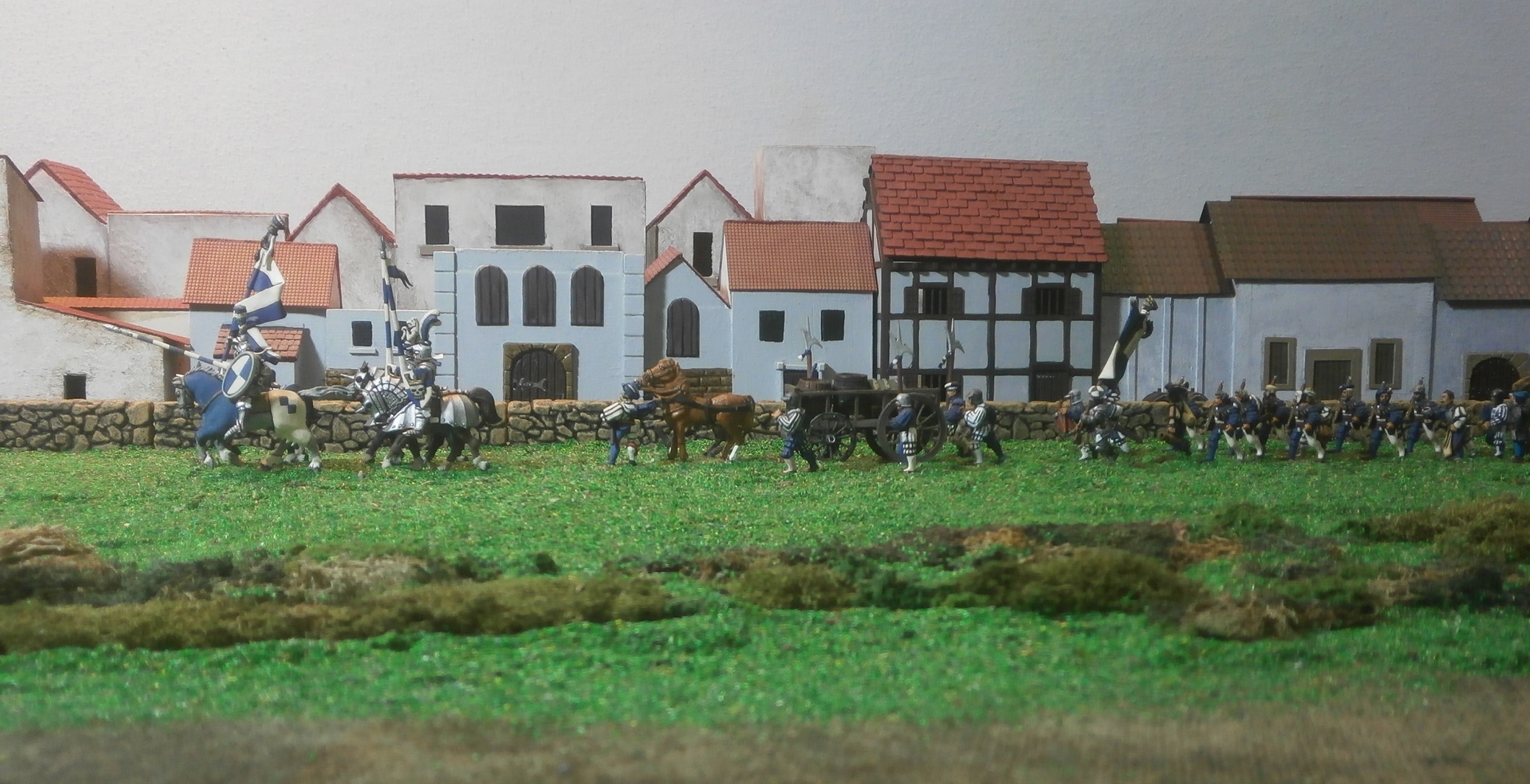
Silvano, by rights (if not in fact) now duke and ruler of Pavona, had arrived at Remas. Arch-Lector Bernado had not expected this, although in hindsight, he realised he probably should have. Where else could the young prince go? His newly inherited realm had been captured by the Verezzans, led by the regent Barone Iacopo …
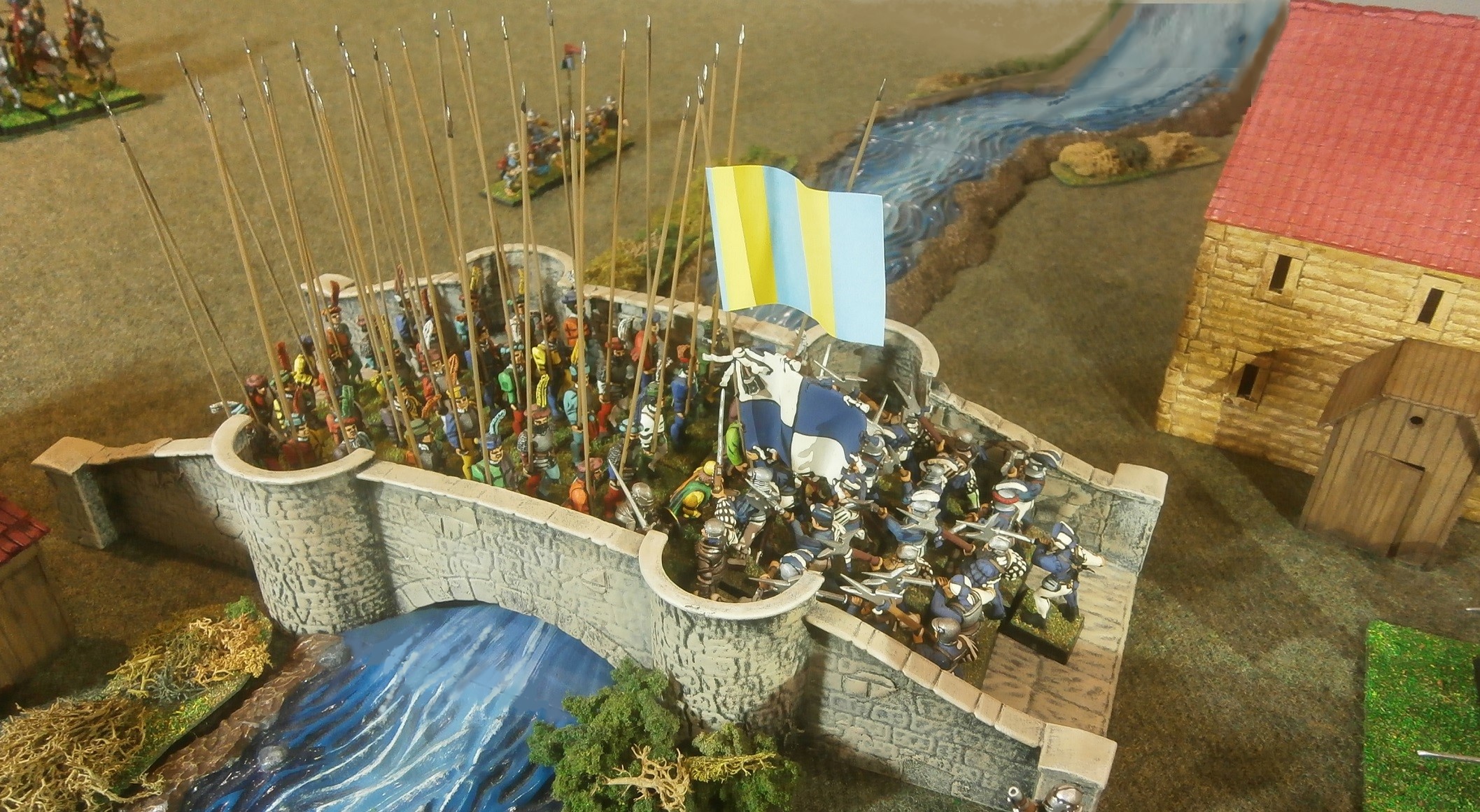
… while Trantio, where his army had been camped, was a ruinous place, within striking distance of the foe. His soldiers remained loyal, perhaps to a fault considering what they had done for their previous lord, his father Guidobaldo, but his birth-right had been denied him.
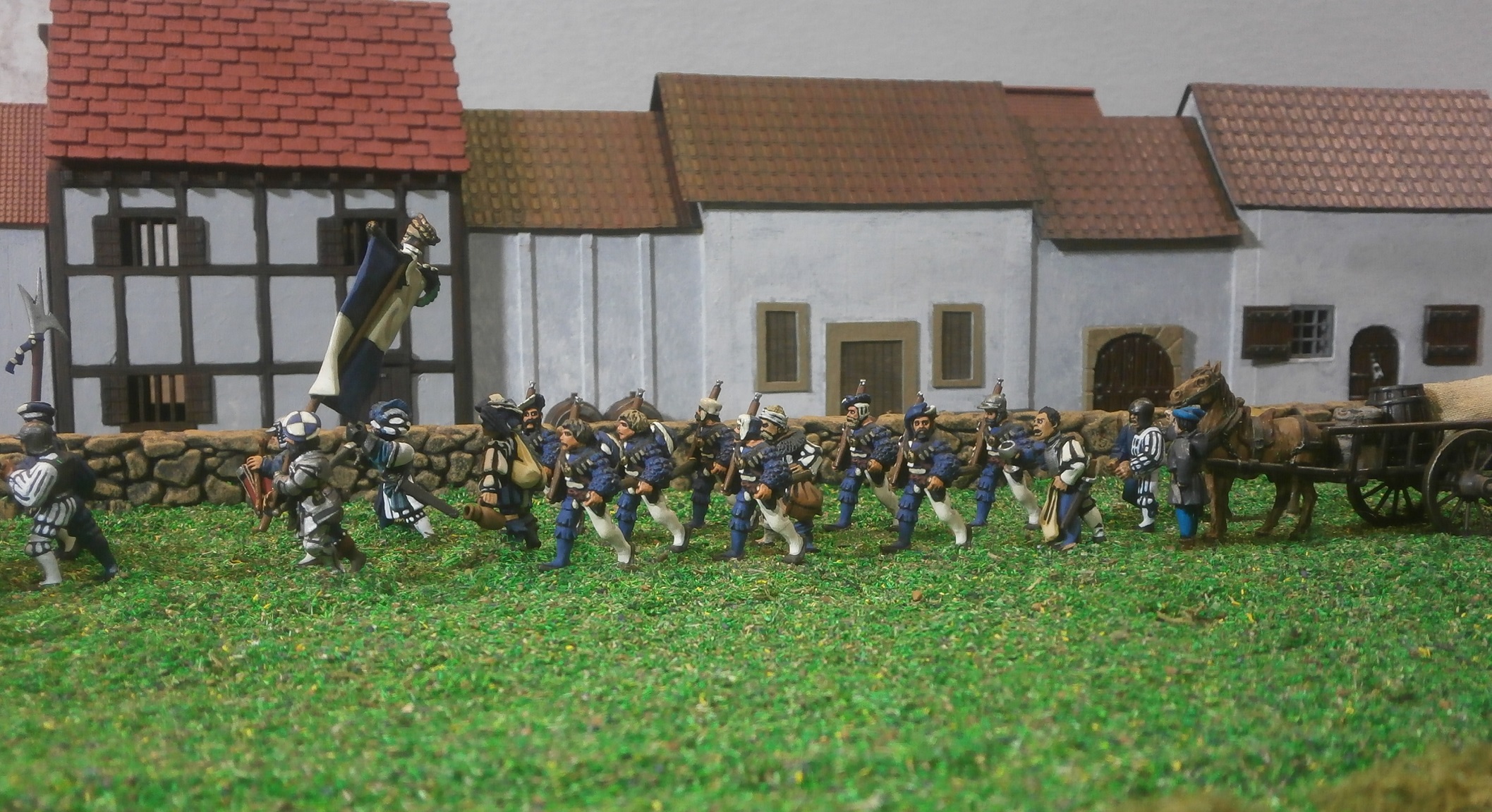
Of course, the young lord must feel he had every right to seek Bernado’s aid, after all, he had done so much in the arch-lector’s service – both that of Bernado and his predecessor, Calictus. He led the doomed and desperate charge at the battle of Ebino three years earlier …
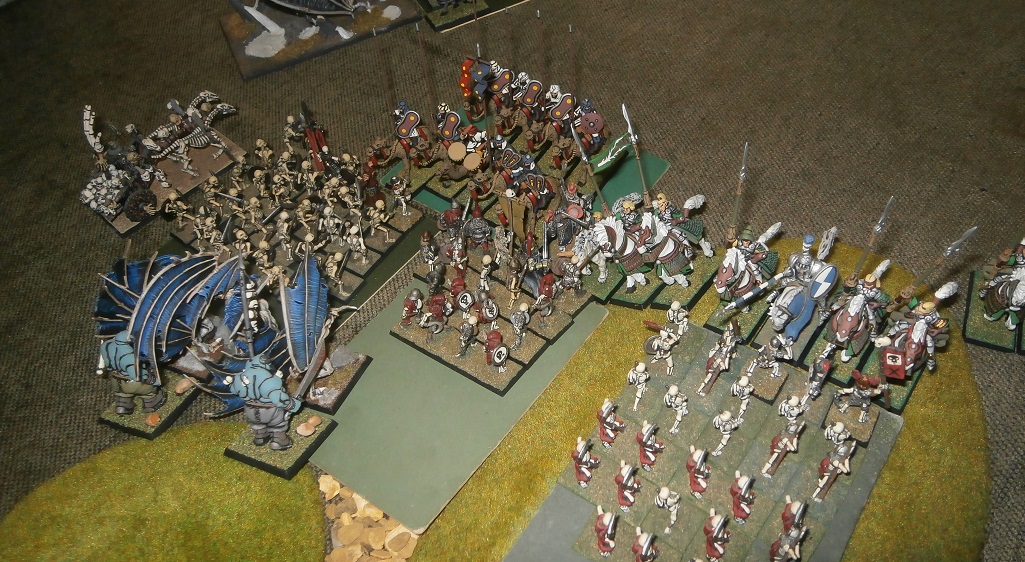
… where Calictus died. He was even wounded, almost fatally, defending Remas against Boulderguts’ brutes.
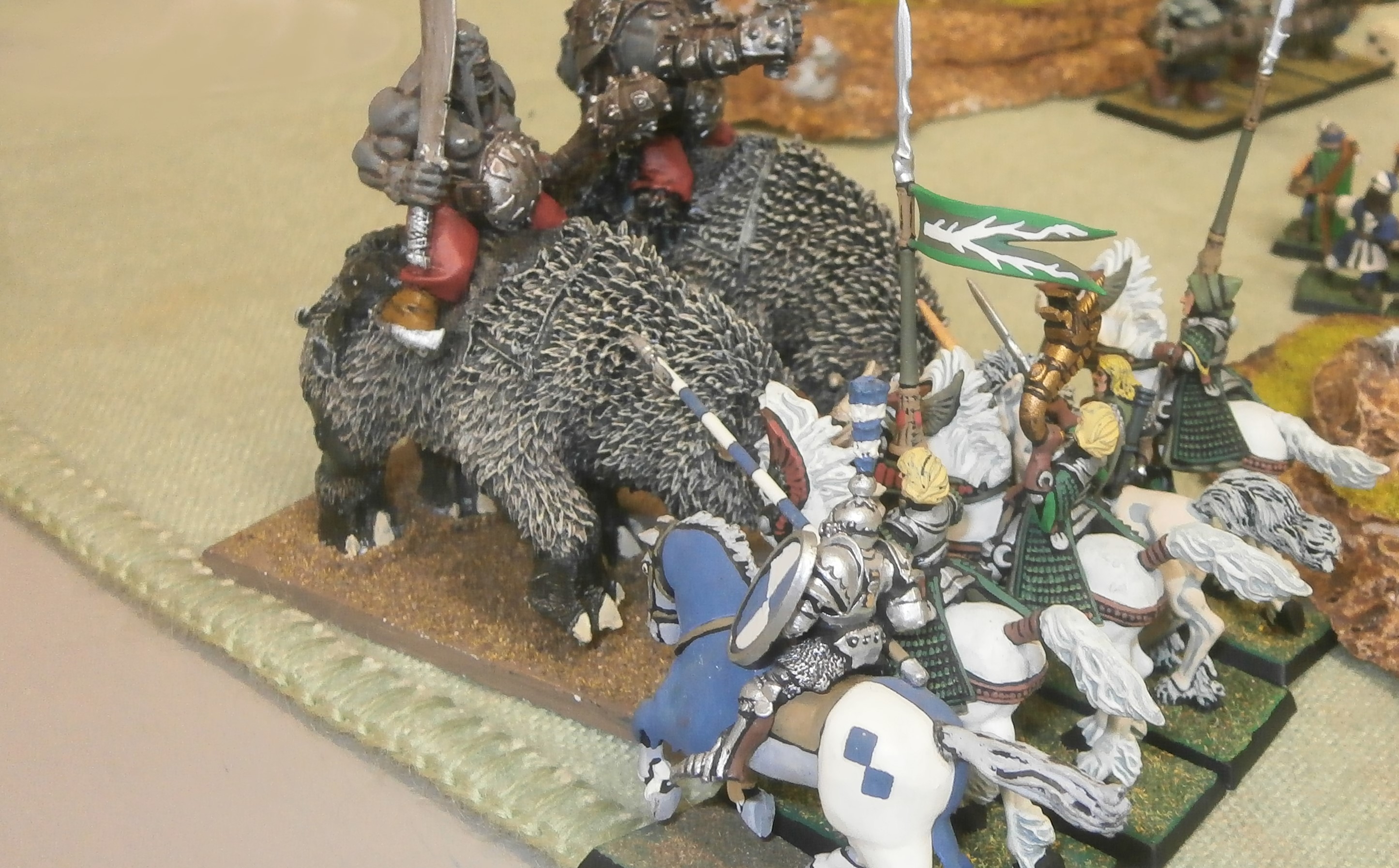
If anyone could expect help from the Arch Lector of Morr and the holy city, it was Silvano.
Bernado looked at Brother Duarte, who stood calmly, as always, as if he was here to do nothing more than announce suppertime.
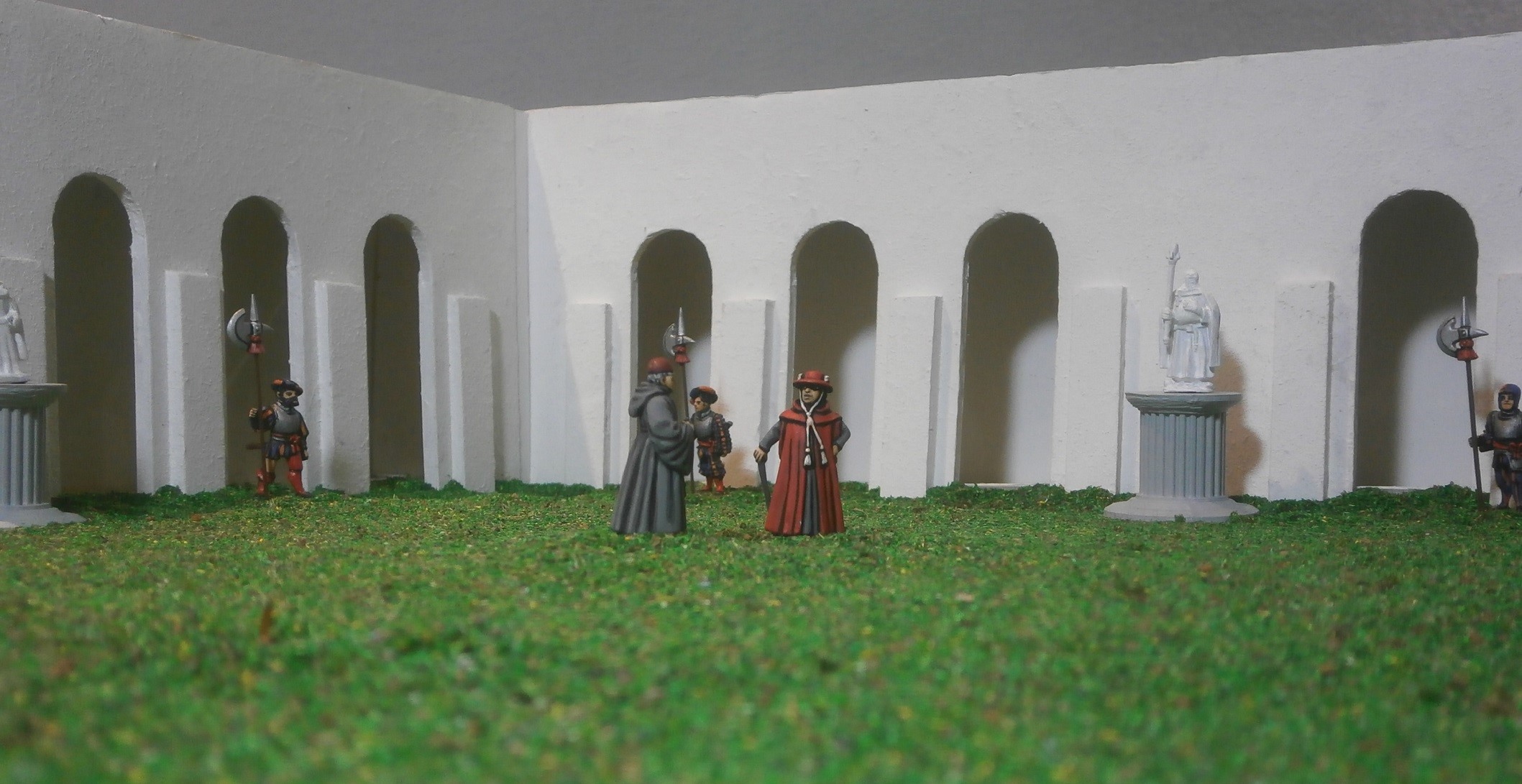
“Has the duke already asked for my help?” he inquired.
“No, holy father, only that he wishes for an audience with you as soon as possible.”
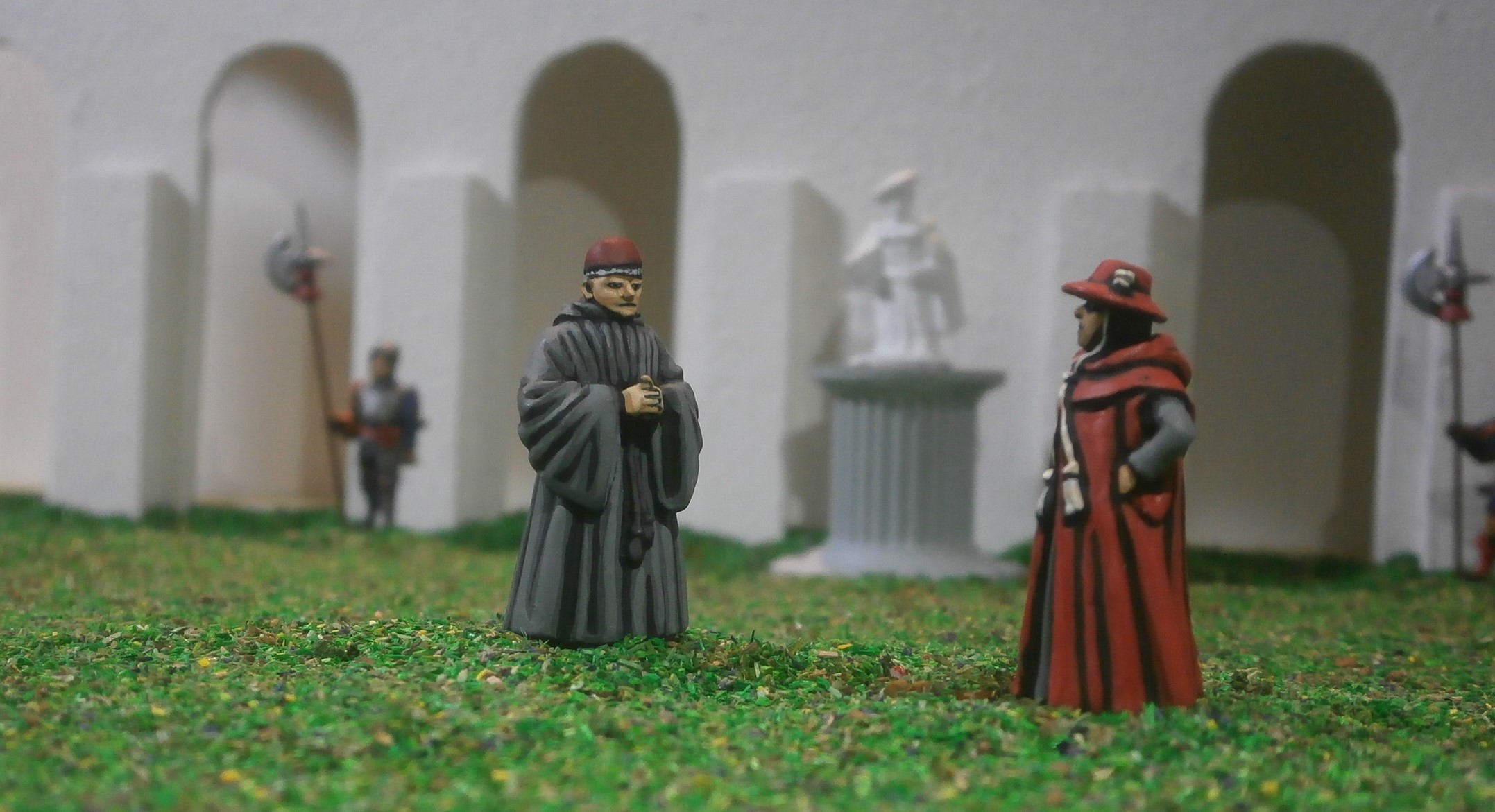
“To ask for my help,” said Bernado.
He knew Silvano well and could therefore safely assume the Verezzans had significantly outnumbered what was left of the Pavonan army. The young lord would never run from a fight against an equal number of opposers. Bernado’s advisers had suggested only days before that Silvano’s army was most likely half or less the size of that commanded by Barone Iacopo. The halfling had clearly played his game stunningly well, first dividing the Pavonans and then conquering Pavona. And yet, Iacopo’s victory was not yet complete, not while such a commander as Silvano had even a small force left to him.
“I take it,” said Bernado, “from the lack of gunfire and screams that the de Medizi claimant is not also outside asking for help?”
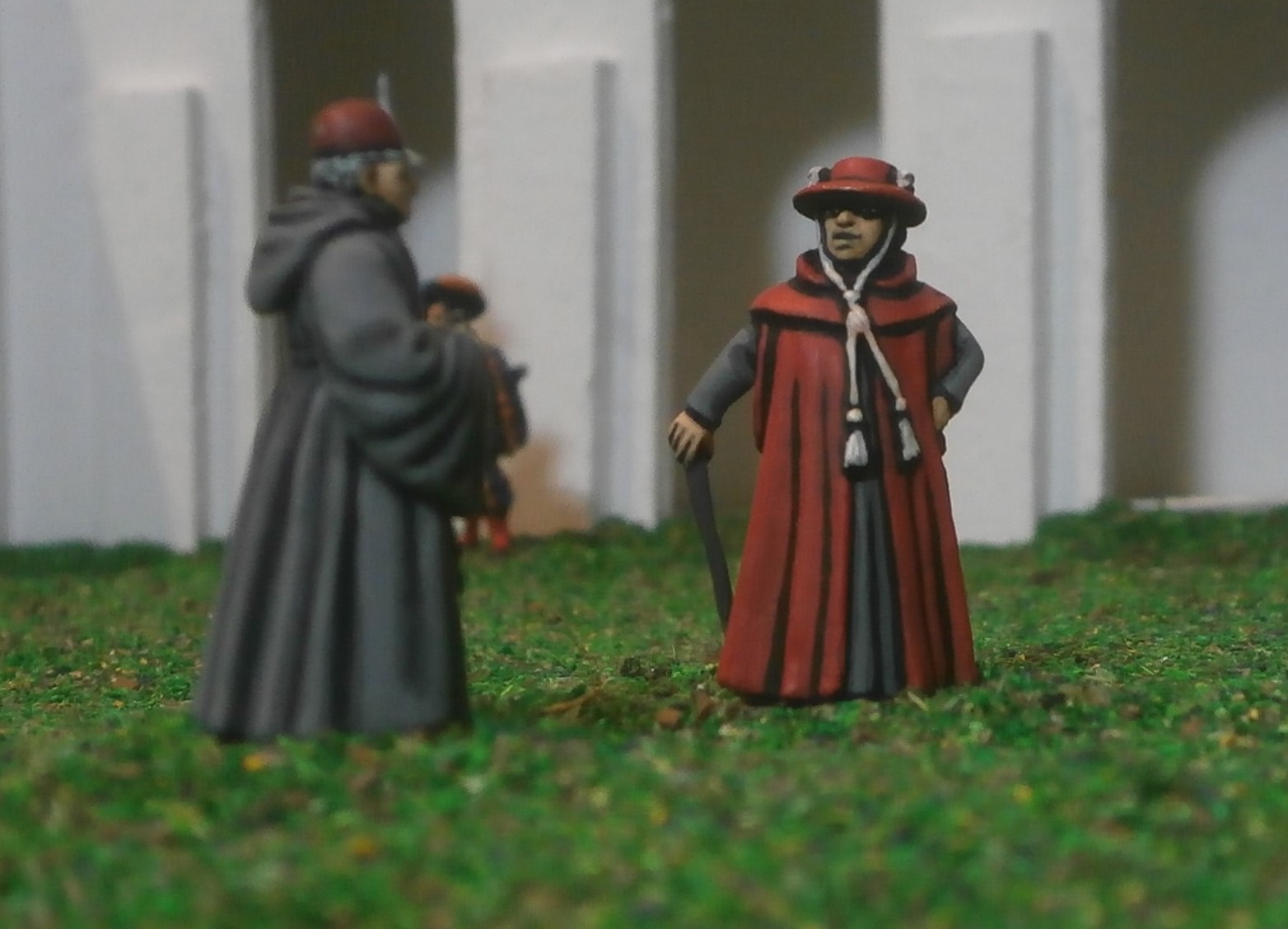
“He is not, holy father. But another of his letters arrived last night.”
Apparently, thought Bernado, it was an arch-lector’s lot to have both sides in every war begging for his aid, while the real enemies threatened to destroy everyone.
“We did send a warning to Silvano regarding the ratmen’s march south, didn’t we?” he asked, suddenly worried.
“Yes. But he must have received it when he was already on his way here.”
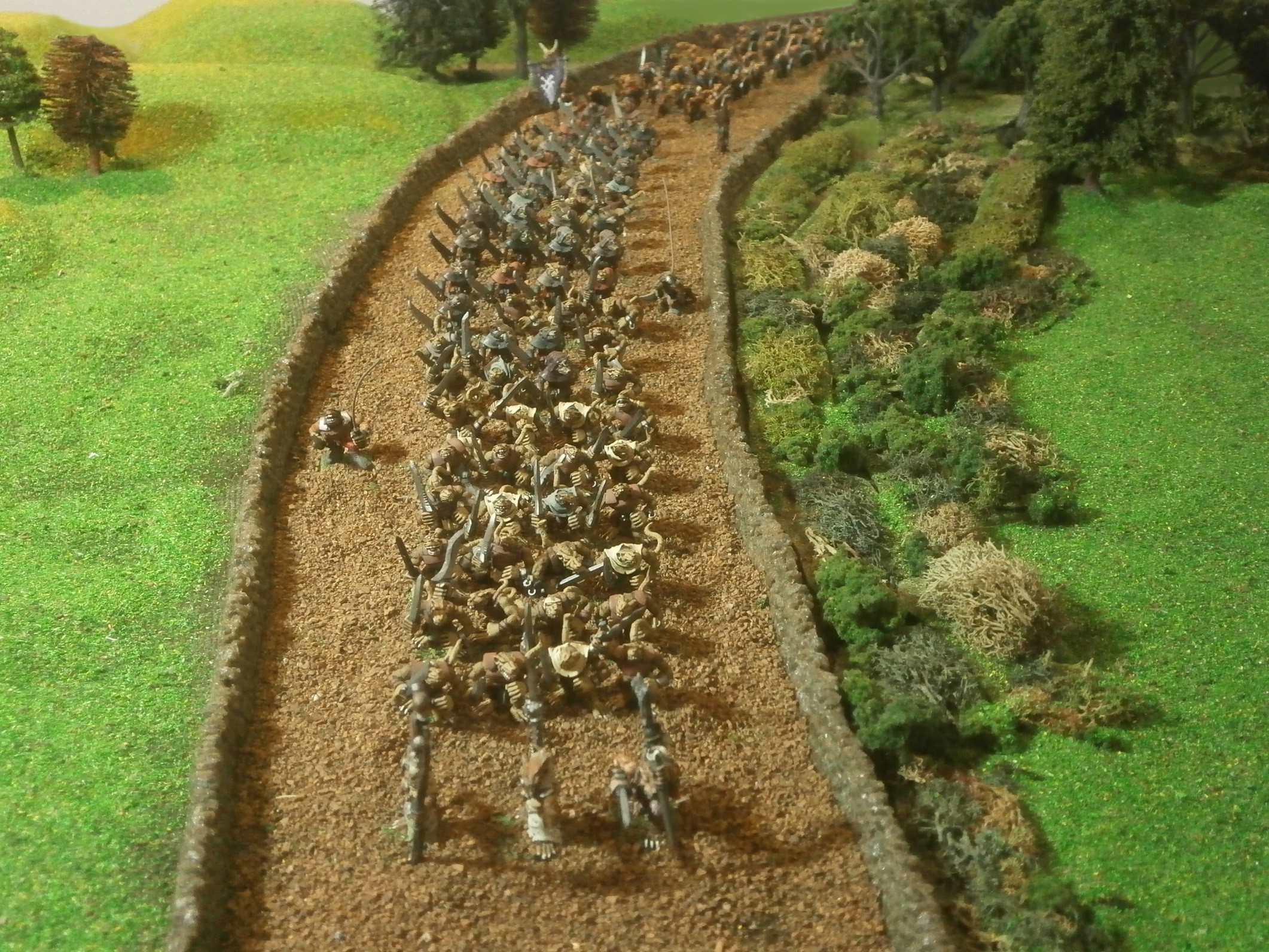
In truth, Bernado was happy that Silvano had chosen to leave Trantio, and to move with such alacrity. The war between Pavona and Verezzo was a great concern, in light of the massive and as yet undefeated uomini ratto army closing in on central Tilea …
… and he would dearly love to bring about its end, but not through the death of the young duke. Silvano had served so bravely, so willingly and so often, that despite his father’s many misdeeds, Bernado could not help but like him.
“Is it known how close the rats got to him?” asked Bernado.
“No, holy father. Only that they were marching south upon the road towards the realm of Trantio. They were last reported east of Viadaza.”
“And the elves?”
“We know not for certain, but it seems most likely they have retreated to their forest.”
Bernado took a deep breath, to calm himself. The elves had failed twice against the ratmen, first abandoning their dwarven allies …

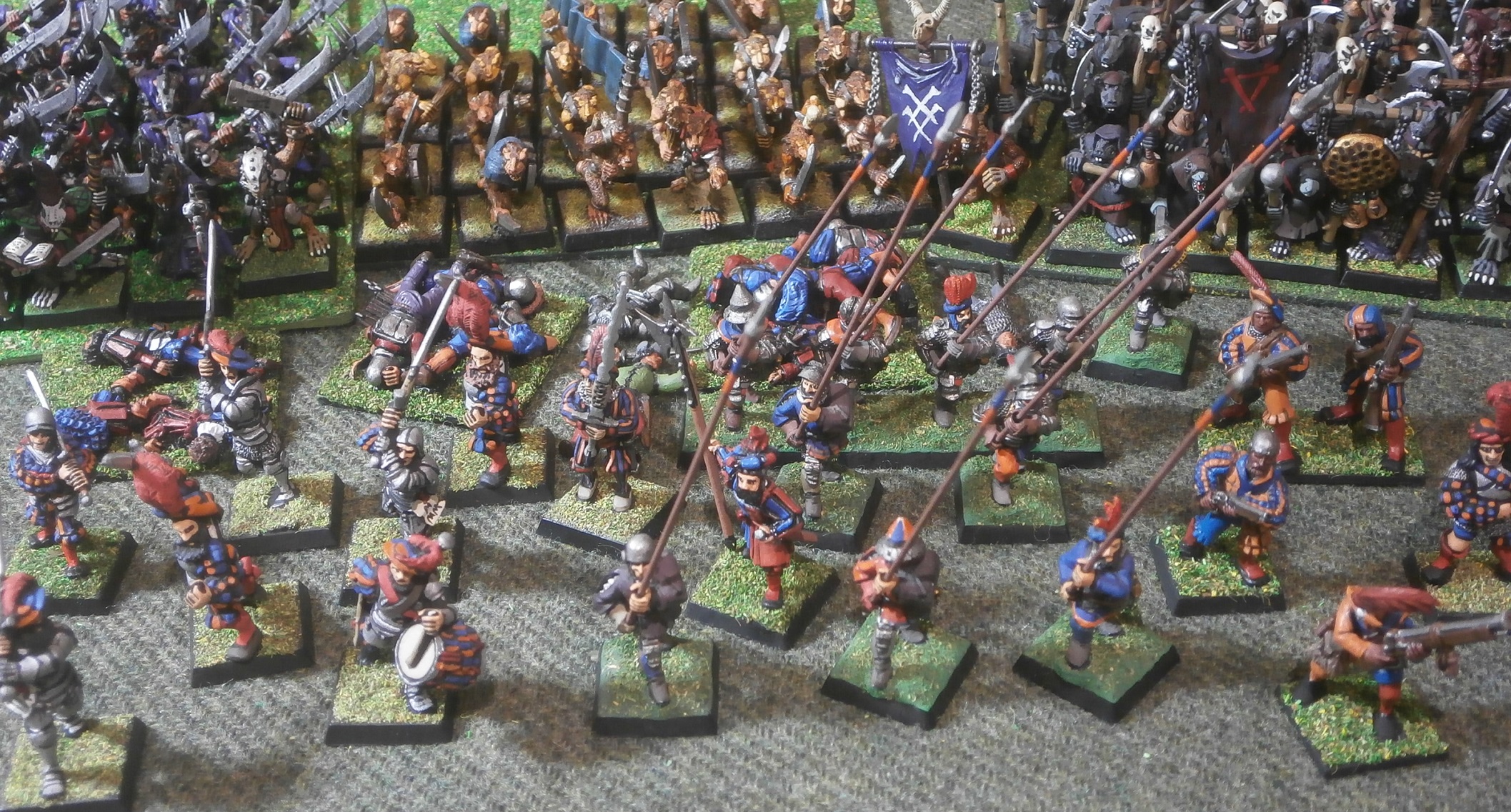
… and then permitting the death, to a man, of the Reman marching army.
This had caused much grief in the city, obviously, and his own anguish had been hard to bear. Bernado now wondered whether the elves felt ashamed of their actions, or if they were so insularly arrogant that only the death of their own kind could upset them. During the very recent ecumenical council …
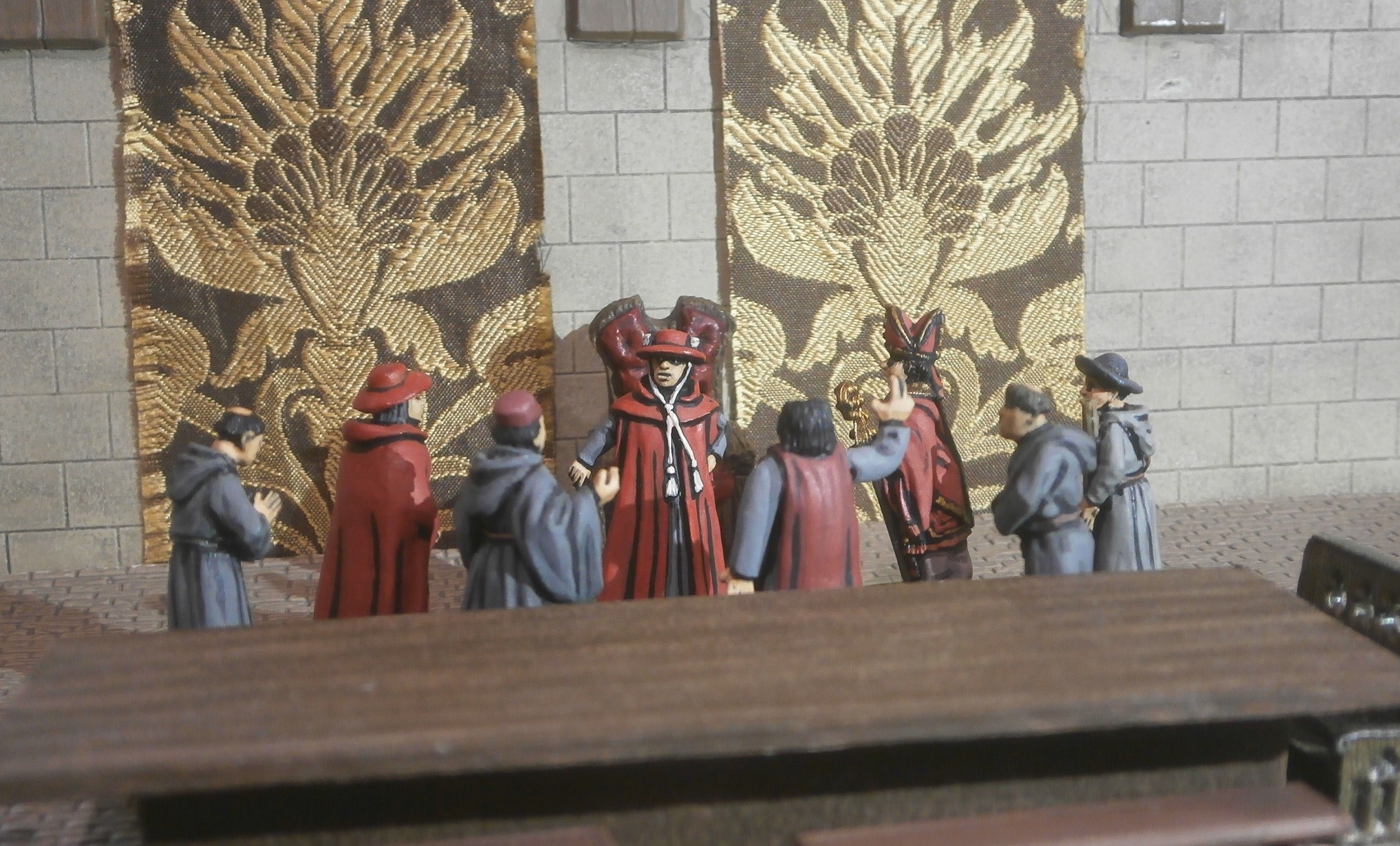
… the lector of Ridraffa had been assigned the role of contrarian, and the best excuse he could come up with was to claim that the elves’ attempts to face the ratmen was a kind of bravery, for despite their first cruel lesson in the disparity in numbers, they had nevertheless tried again. After that second failure, then common sense surely dictated that it would be sheer folly to attempt a third stand. This notion had been met with general scorn, however, with the lector of Luccini claiming that the elves had fled so promptly on both occasions, that in truth they had not really tried even once.
As the argument, somewhat half-hearted on the contrarian’s part, continued, Bernado had been lost in his own thoughts.
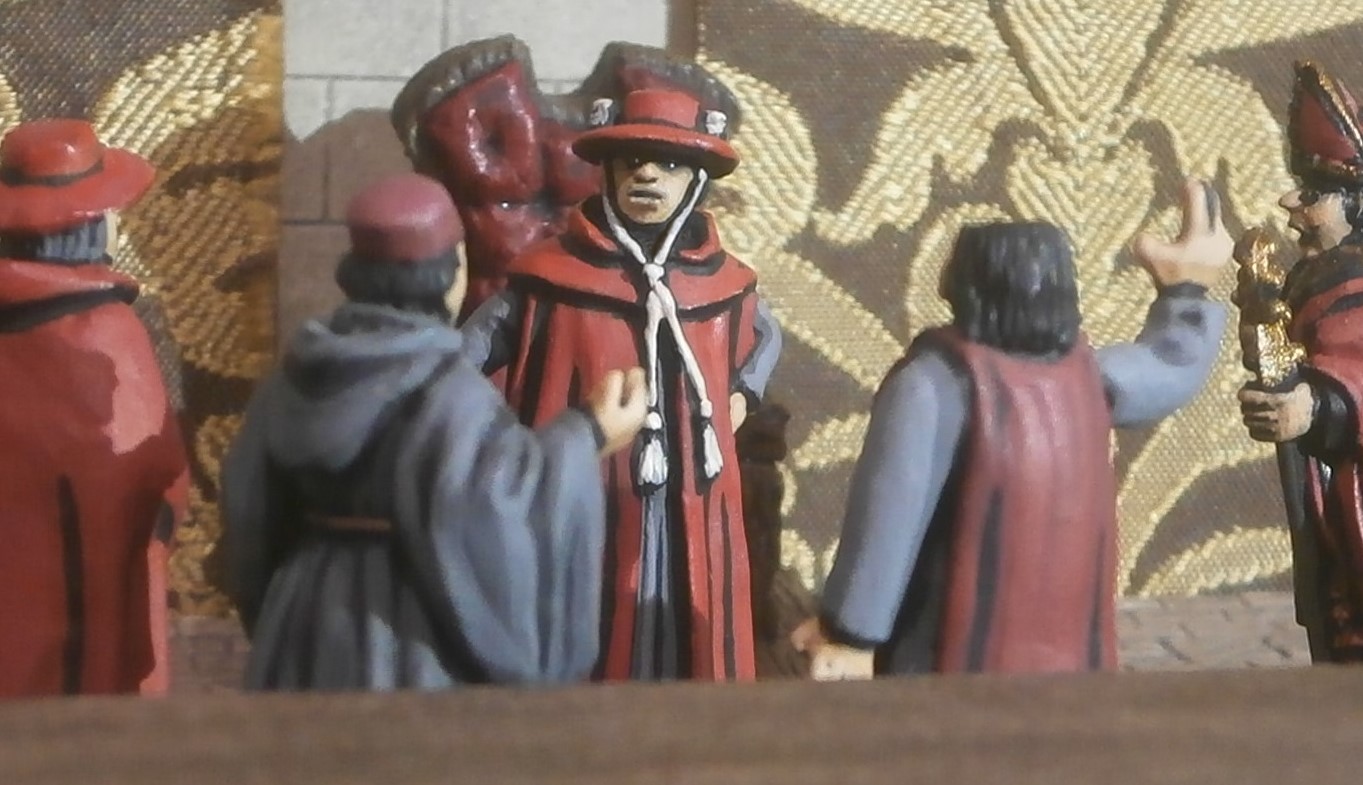
And indeed, had been so since that meeting, finding escape only in sleep. With the loss of Remas’s fighting army, and that of the dwarves, as well as the elves’ departure, there were no friendly marching armies in the north. Campogrotta was still being nursed after years of cruel punishments, and Ravola the same. And all this while in the middle parts of Tilea, the city states of Verezzo, Pavona and Trantio were locked in a bitter war, which had become a spiral of vengeance, perhaps only to end when the ratmen burned them all.
Bernado faced a challenging task. Lord Alessio of Portomaggiore had saved Tilea from the vampires …

… and was currently the most able to thwart the ratmen, but instead was plotting his punishment of the Sartosans for ravaging his realm while he was away fighting the good fight in the north. Could he really be expected to march away again so soon after such a cruel lesson? Further south, the Luccinan king’s cousin, Vizconde Gismondo Giacometti, had launched a war apparently aimed at ousting the ultramontane VMC from Tilea.
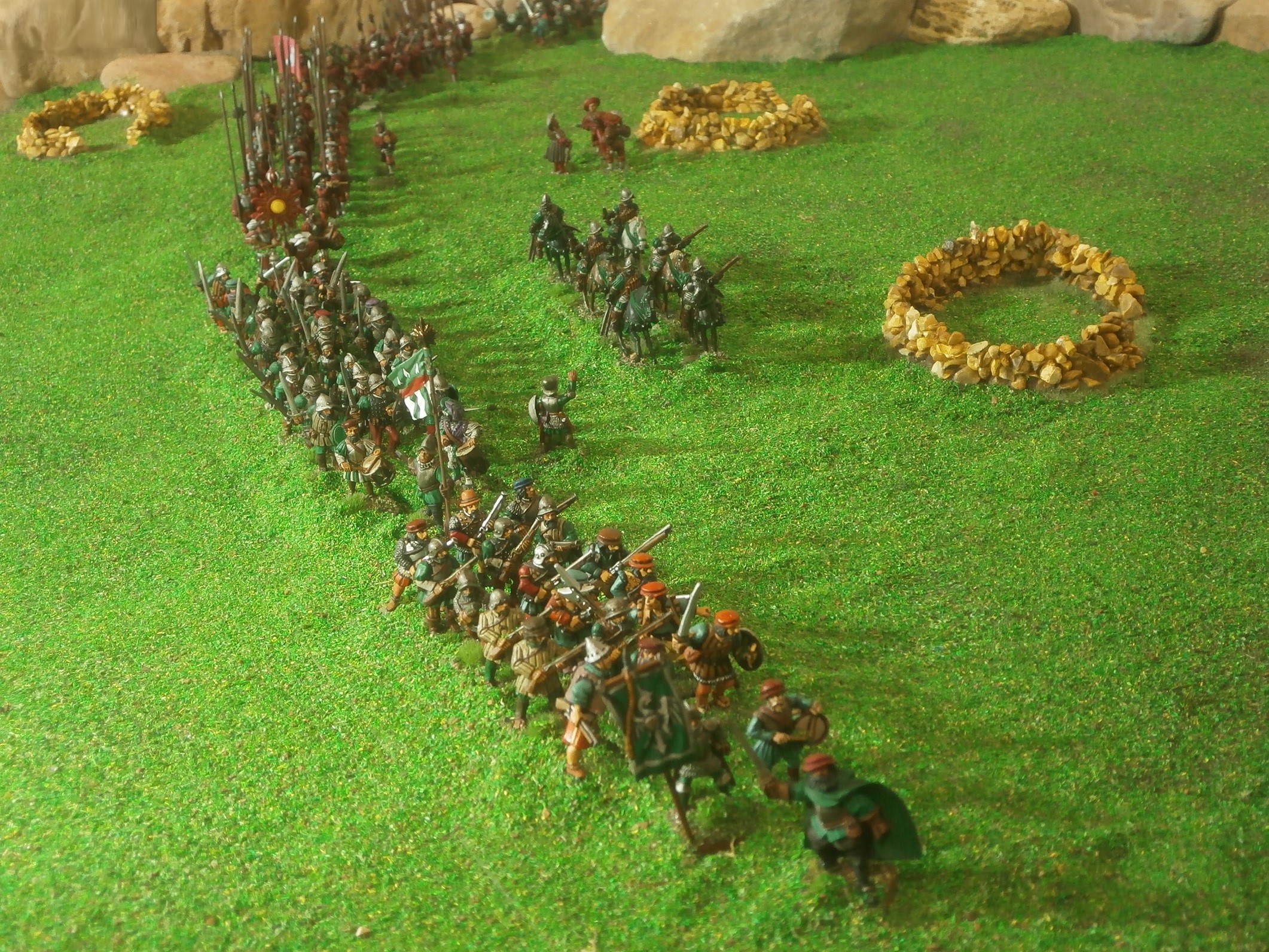
All of which meant that no help would be coming from the south. Bernado would thus have to turn to the central Tilean city states – those most immediately threatened by this new ratmen incursion. But how could he bring about peace, in order to wage war?
“Is there any way we can bring the Pavonan war to an end? To convince those concerned to agree a truce?” he asked. “Apart from taking Silvano prisoner and allowing the Verezzans to continue their rule of Pavona?”
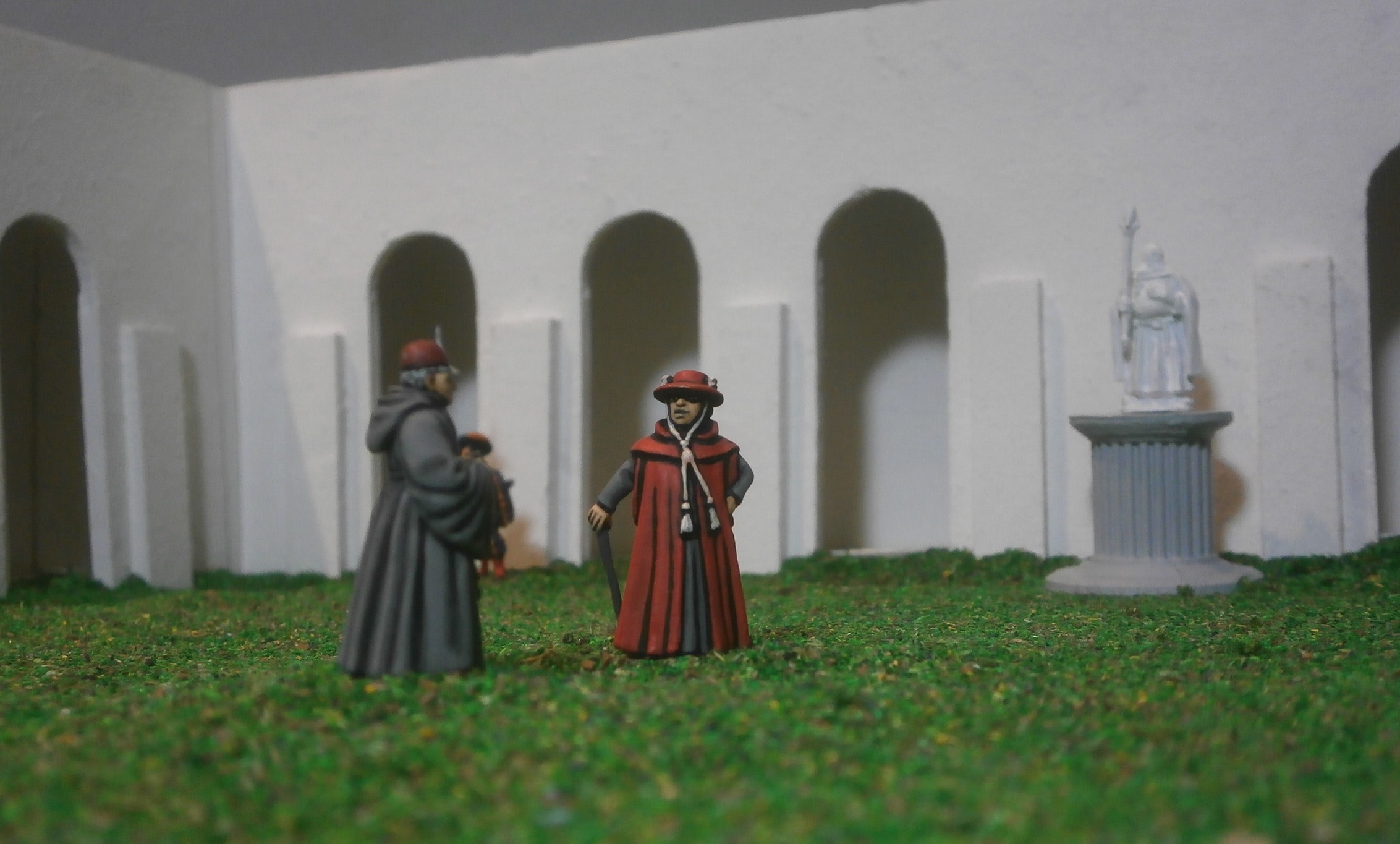
Brother Duarte’s eyes revealed in advance of his speech that he was not hopeful.
“Guidobaldo’s eldest son killed Prince Girenzo de Medizi at Trantio,” he said, “for which Girenzo’s cousin, Galeotti de Medizi, seeks revenge. Guidobaldo’s men killed Lord Lucca at Spomante, which led to Barone Iacopo’s men killing Duke Guidobaldo, a death which Silvano surely seeks vengeance for. I am not sure, holy father, that there is an end to such swirling circles of retribution.”
Bernado pondered a while, pacing back and forth.
“Perhaps,” he said at last, upon stopping, “the answer is to be found in the details, the particularities? Lord Polcario, Guidobaldo’s son, died in the act of killing Prince Girenzo.
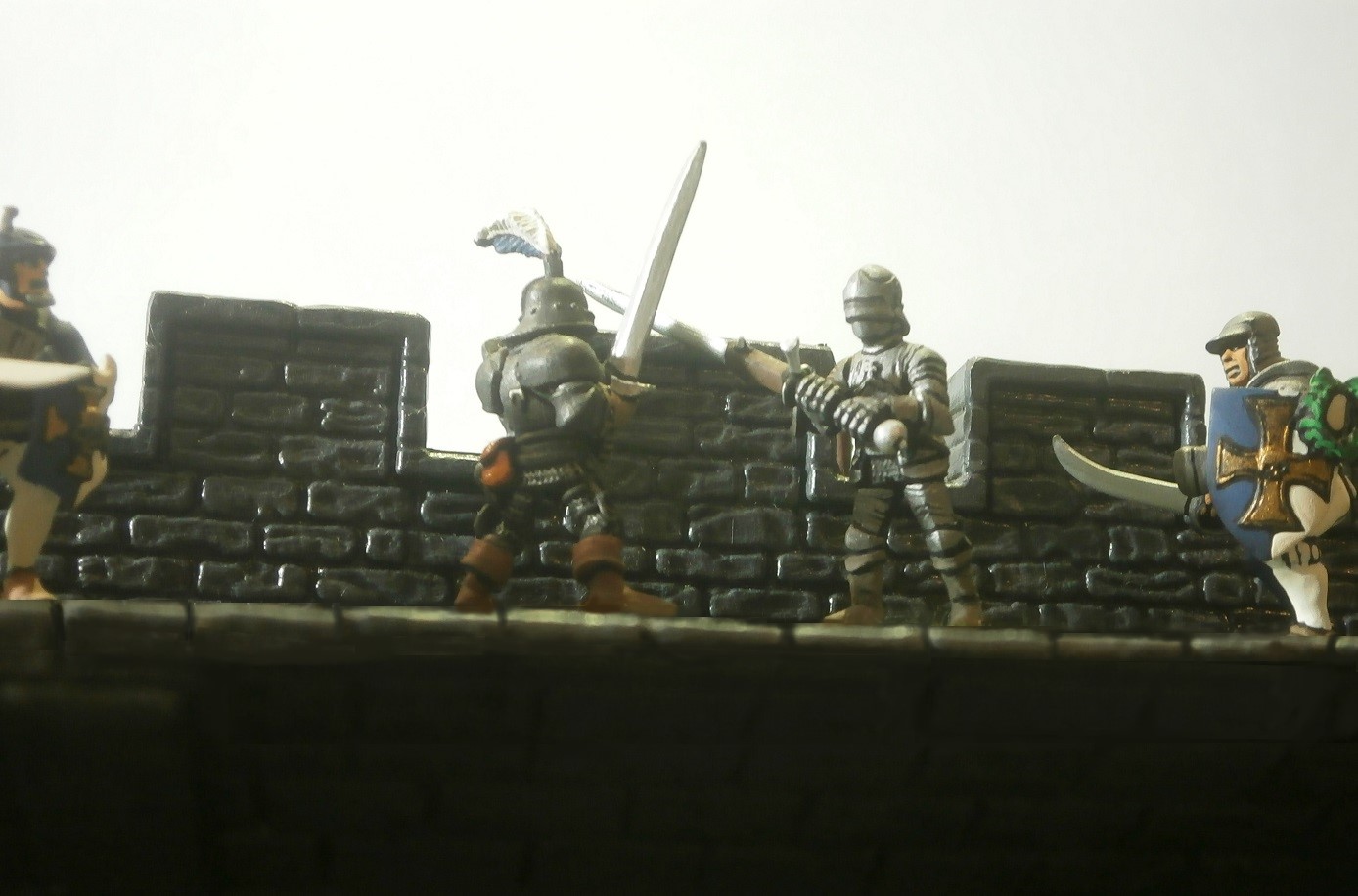
Does that not balance out? A prince for a prince at one and the same moment! Guidobaldo then gifted the realm of Trantio to his surviving son, Silvano, which from Galeotti’s letters seems to his real grievance. Galeotti wants to rule that which he believes is his rightful inheritance. If Silvano can be convinced to yield Trantio to Galeotti, then would that not satisfy him?”
“Considering the ratmen are probably descending upon Trantio city as we speak, then Silvano might not care to continue his claim on that realm,” suggested Duarte. “But what does he get in return? The Verezzans are hardly likely to hand back Pavona and apologise for the inconvenience caused!”
“He gets our help,” said Bernado, “in whatever way we can, to end the feud between Pavona and Verezzo, and to restore Pavona to him.”
“But how could we do so, holy father?”
“Perhaps that also involves a consideration of details?” suggested Bernado. He took a breath as if he was about to dive into deep water. “Guidobaldo’s death compensates for that of Lord Lucca, for it was Guidobaldo who directly ordered the attack that killed my old friend.
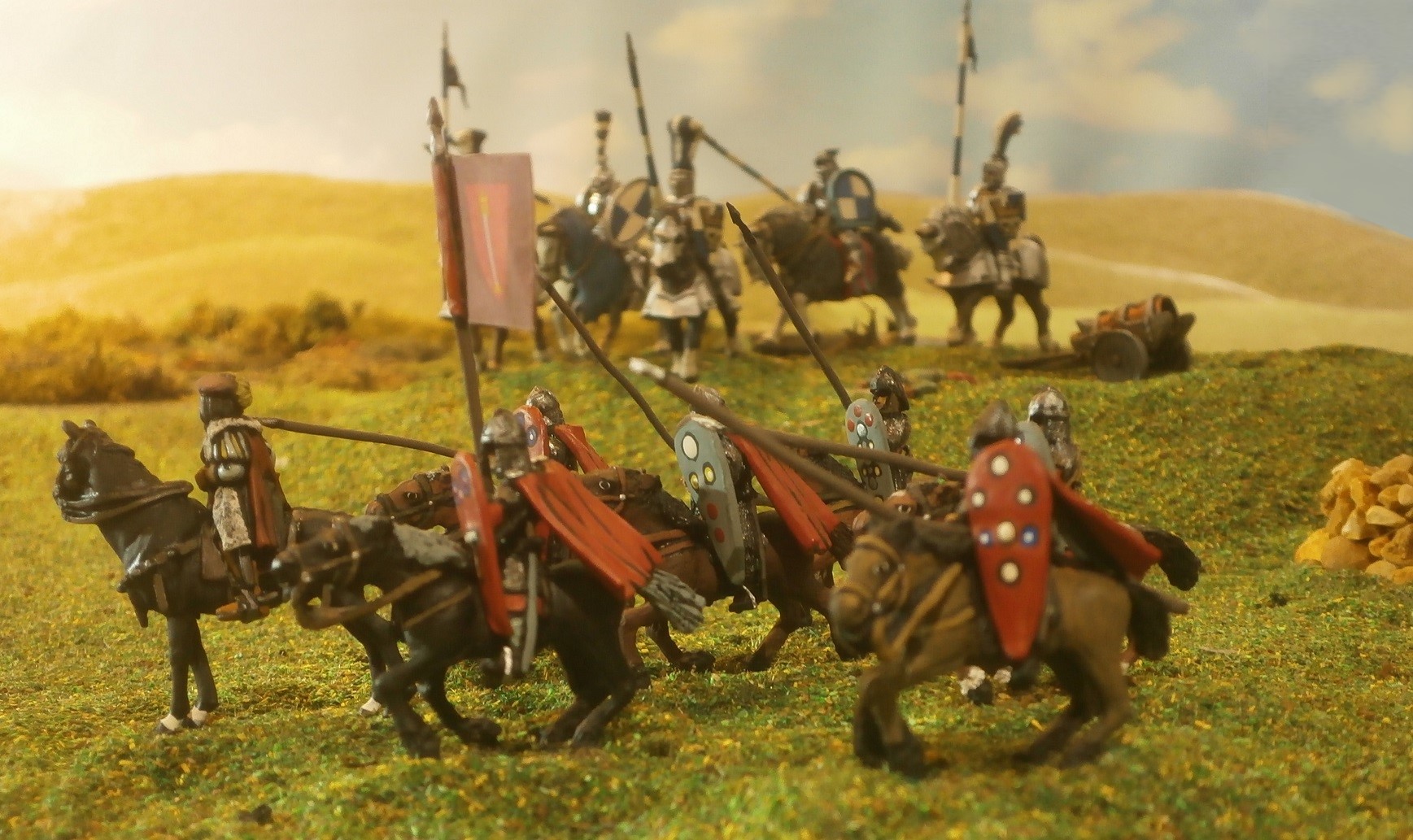
Silvano was not part of that crime, for he was lying abed in Remas, recovering from the wounds he received at the Battle of the Via Diocleta. If – and I know that’s operative word here – Silvano’s major grievance is (just as with Galeotti) the loss of his realm and not the death of his father, then perhaps he will be satisfied if Iacopo can be persuaded to yield Pavona to him?”
Brother Duarte looked questioningly at Bernado, not speaking. He did not need to.
“I know,” said Bernado. “How do we persuade Iacopo to do so, now that he has possession of Pavona?”
“Perhaps the ratmen help us there?” suggested Duarte. “If they’re moving on Trantio, then Iacopo’s ally Galleoti will see them as the biggest problem. And if they take Trantio, Pavona is possibly next, then Verezzo. Both Silvano and Iacopo cannot ignore that threat.”
Bernado was nodding. “Which means it is simply a matter of convincing them all they must stand together to have any chance of survival.”
“Their enemies are the enemies of their enemy, and so ought to be their friends,” said Duarte, dryly.
Bernado smiled at the word play. “It seems,” he said, “that just as with the ogres and the vampires, this is again the only argument we can make.”
“I cannot argue, holy father,” said Duarte. “But I have to ask: Would returning to rule Pavona truly satisfy Silvano? Will he really allow the death of his father in battle to go unrevenged?”
“For now, perhaps?” said Bernado. “There will be no Pavona to rule at all if the rats are not stopped. After that, who knows what he might do? We must deal with one thing at a time. And with that in mind, let us hear what Silvano has to say.”


