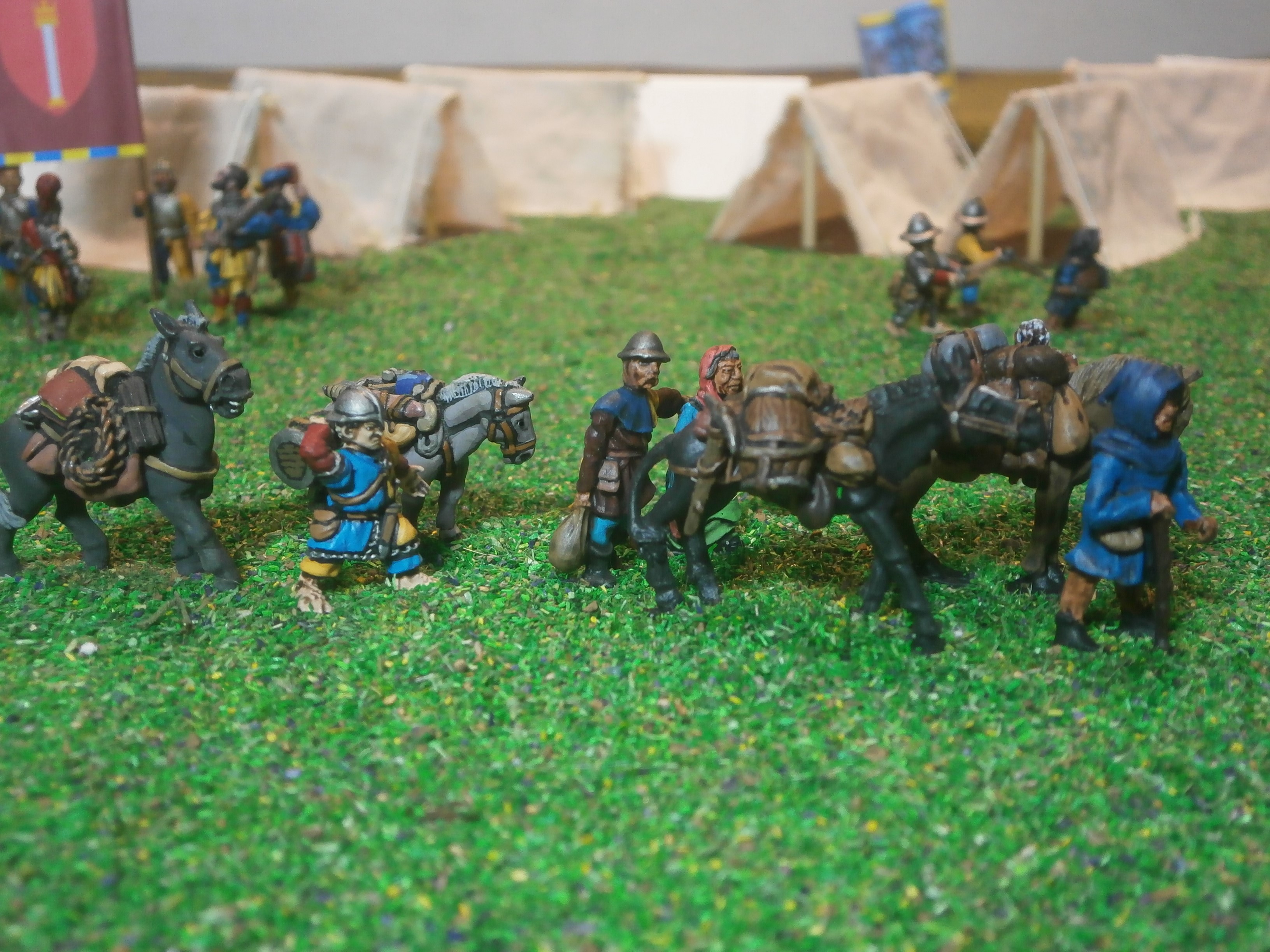
The grand alliance army, composed of Verezzans, Pavonans, Remans and Trantians, and commanded by the regent of Verezzo, now captain-general, Barone Iacopo, had halted at the end of their third day of marching north from Astiano, on their way to assault the reportedly massive fortified camp the uomini ratto had built in the northern Trantine Hills.
The tents went up quickly, and the camp was already vast before the last elements of the army had even arrived. It became a hive of activity as both soldiers and camp-followers set about all they needed (and wanted) to do before they could sleep.
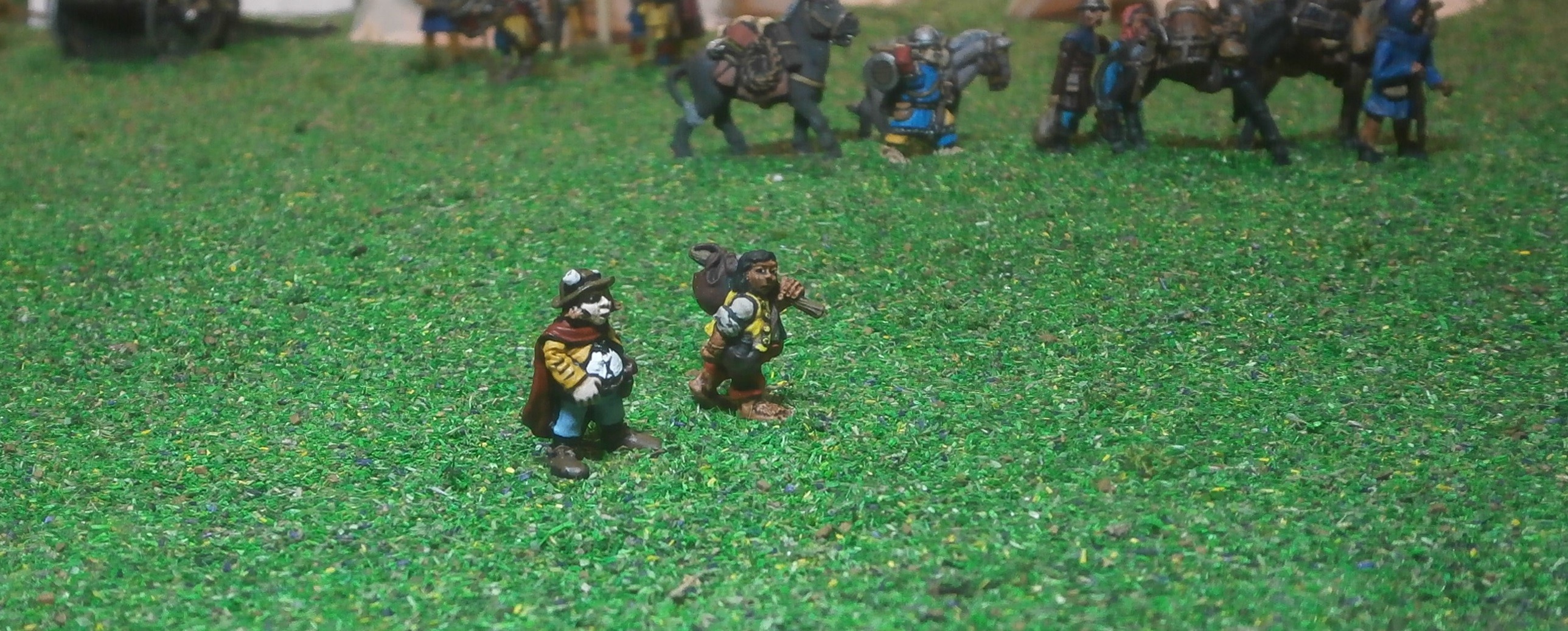
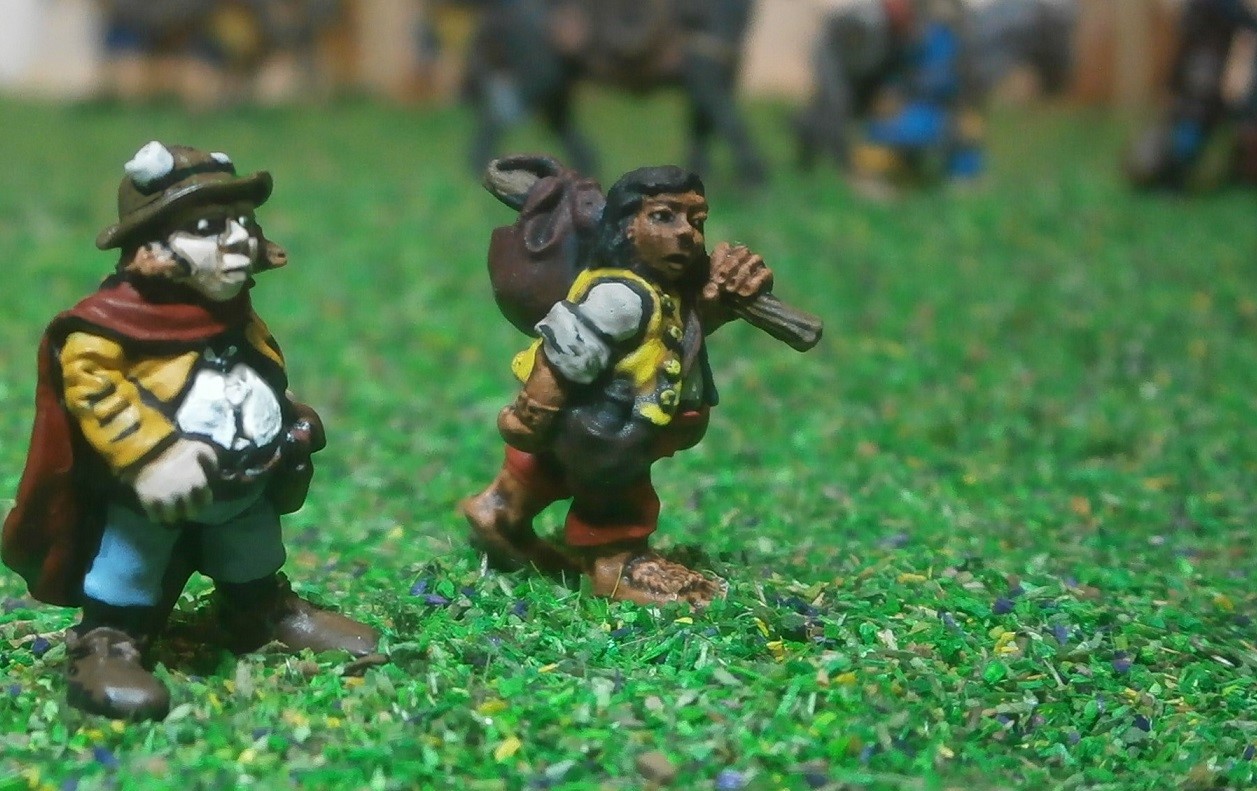
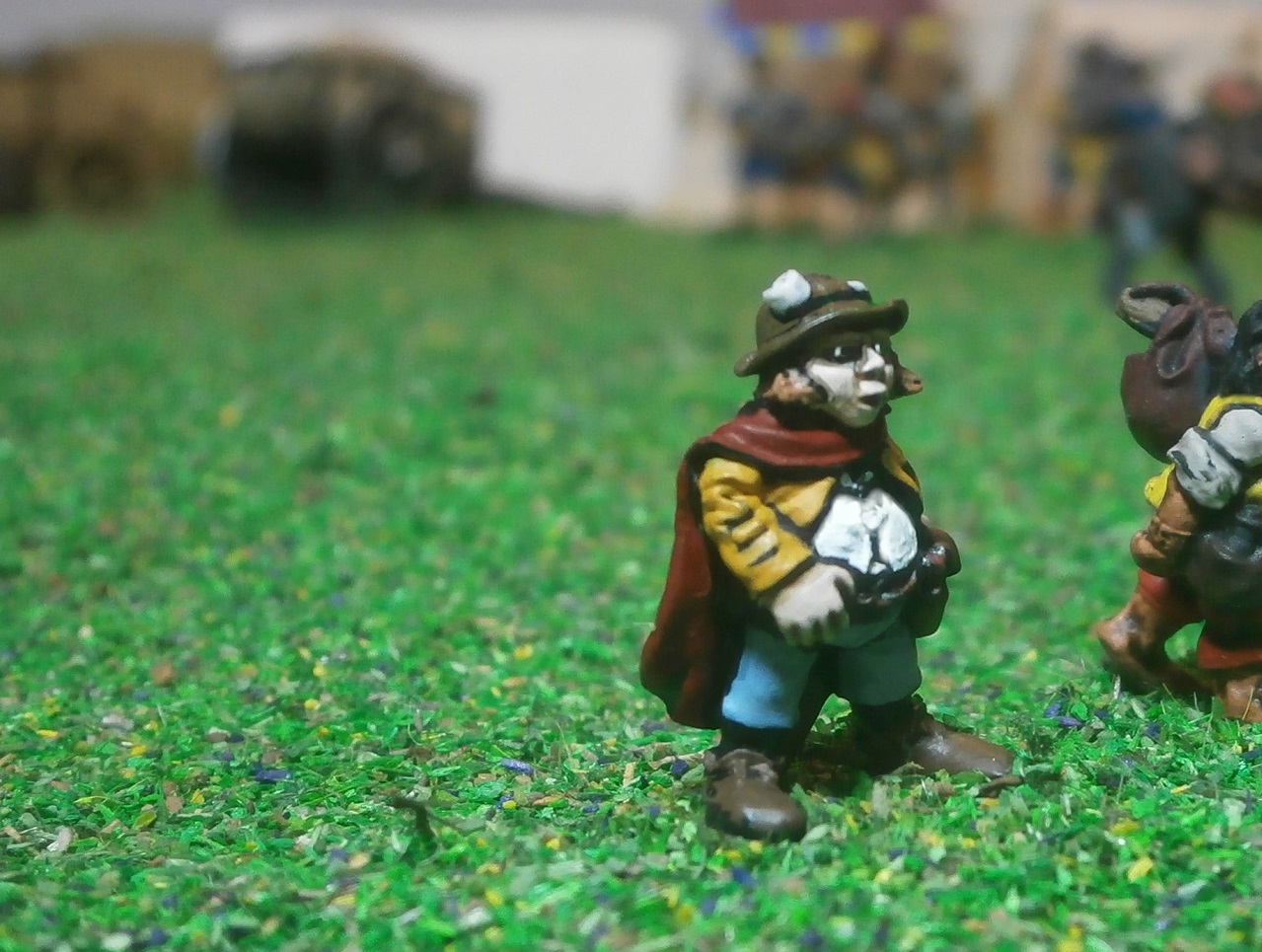
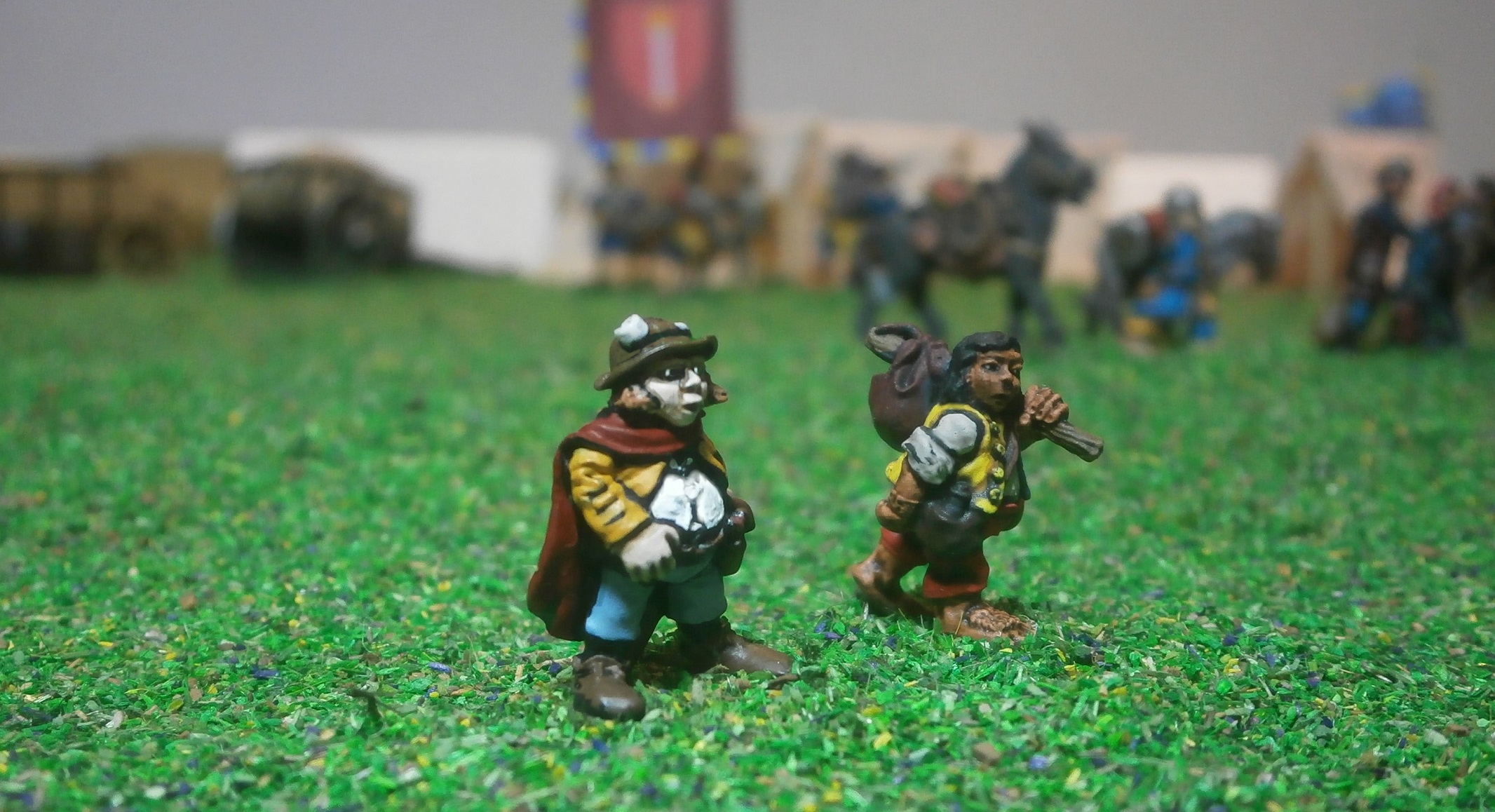
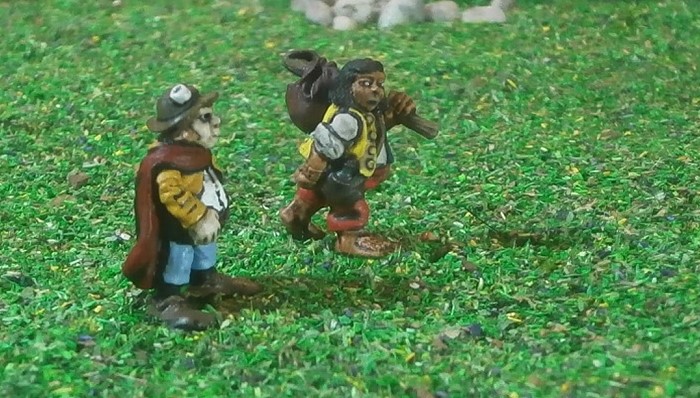
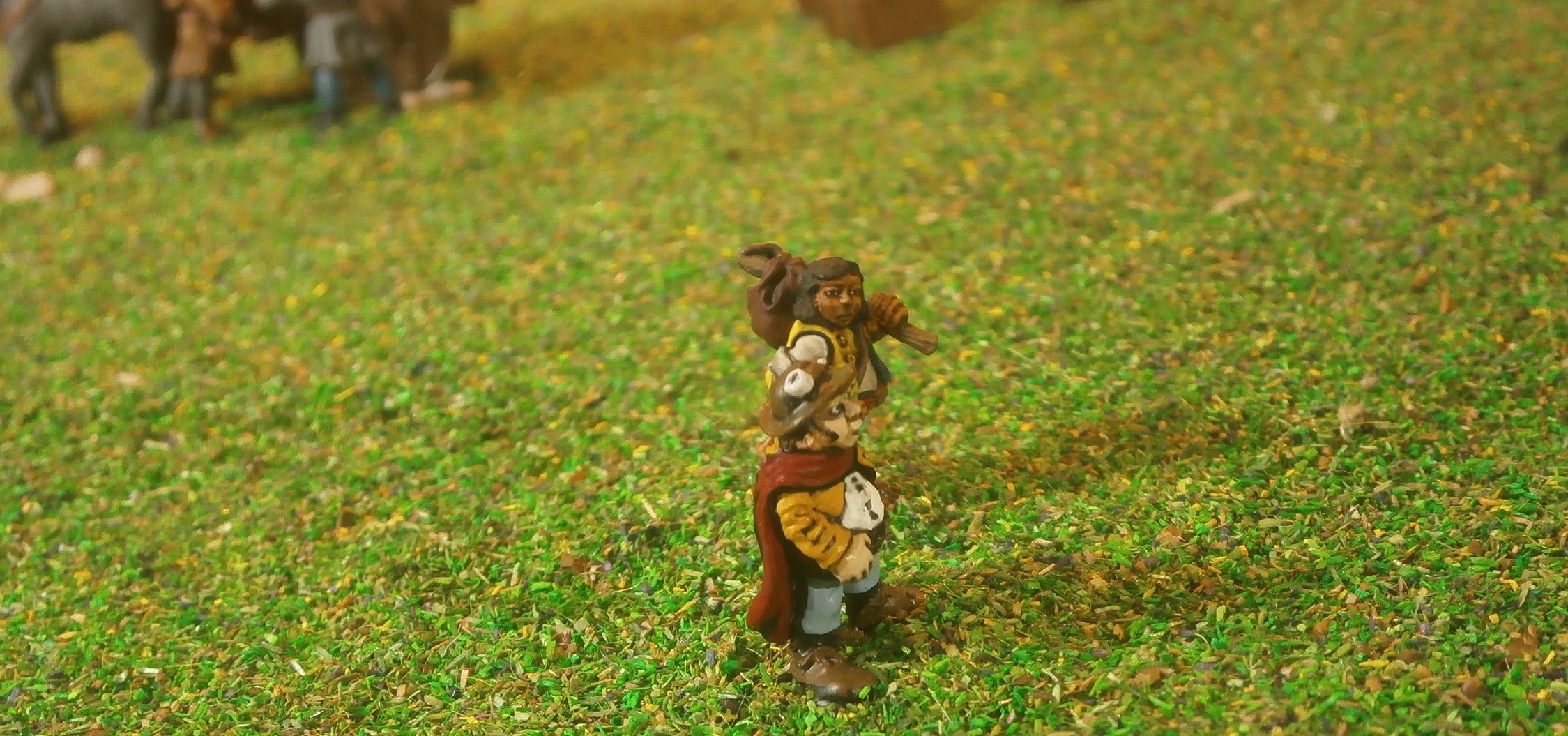
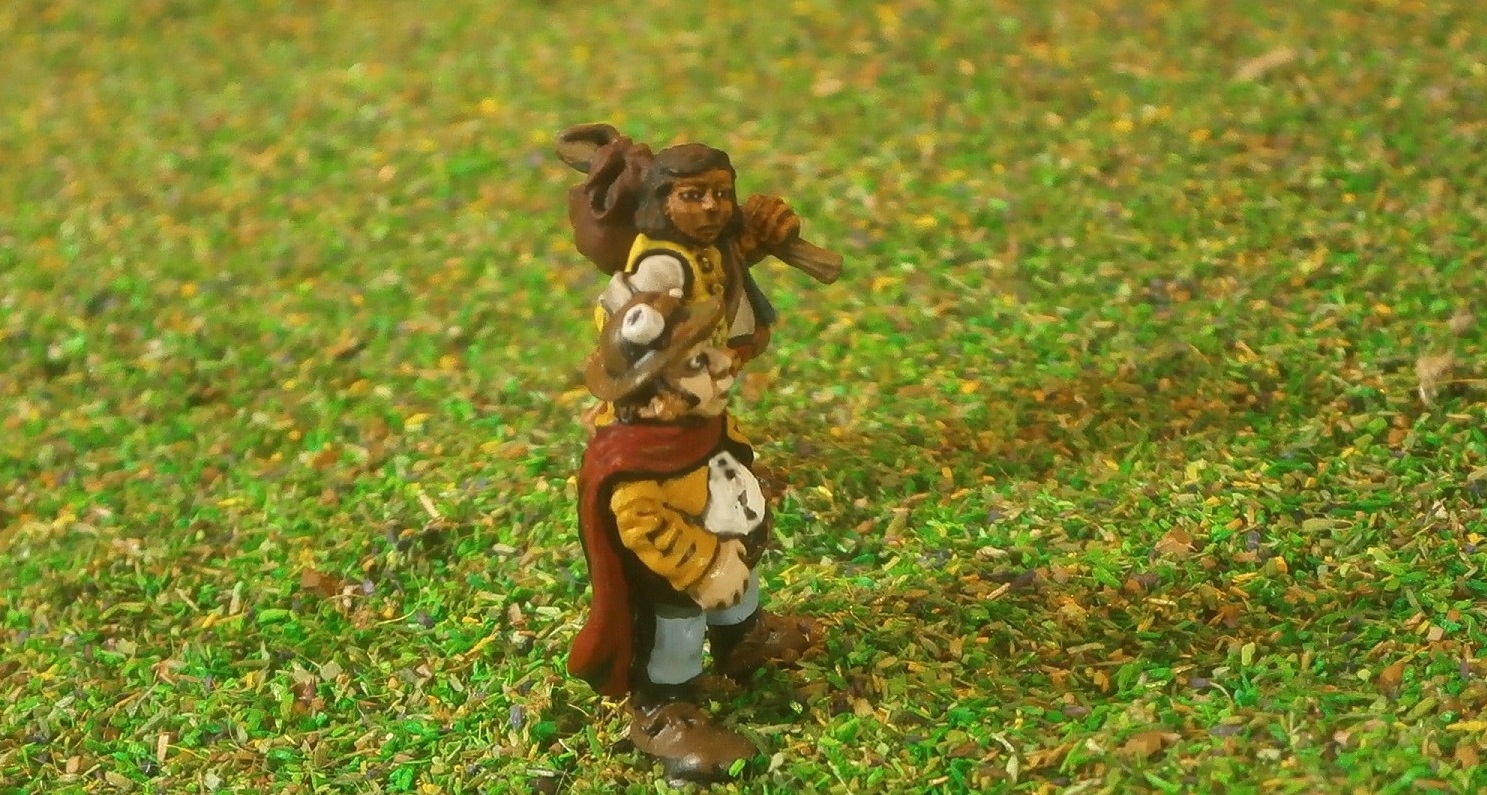
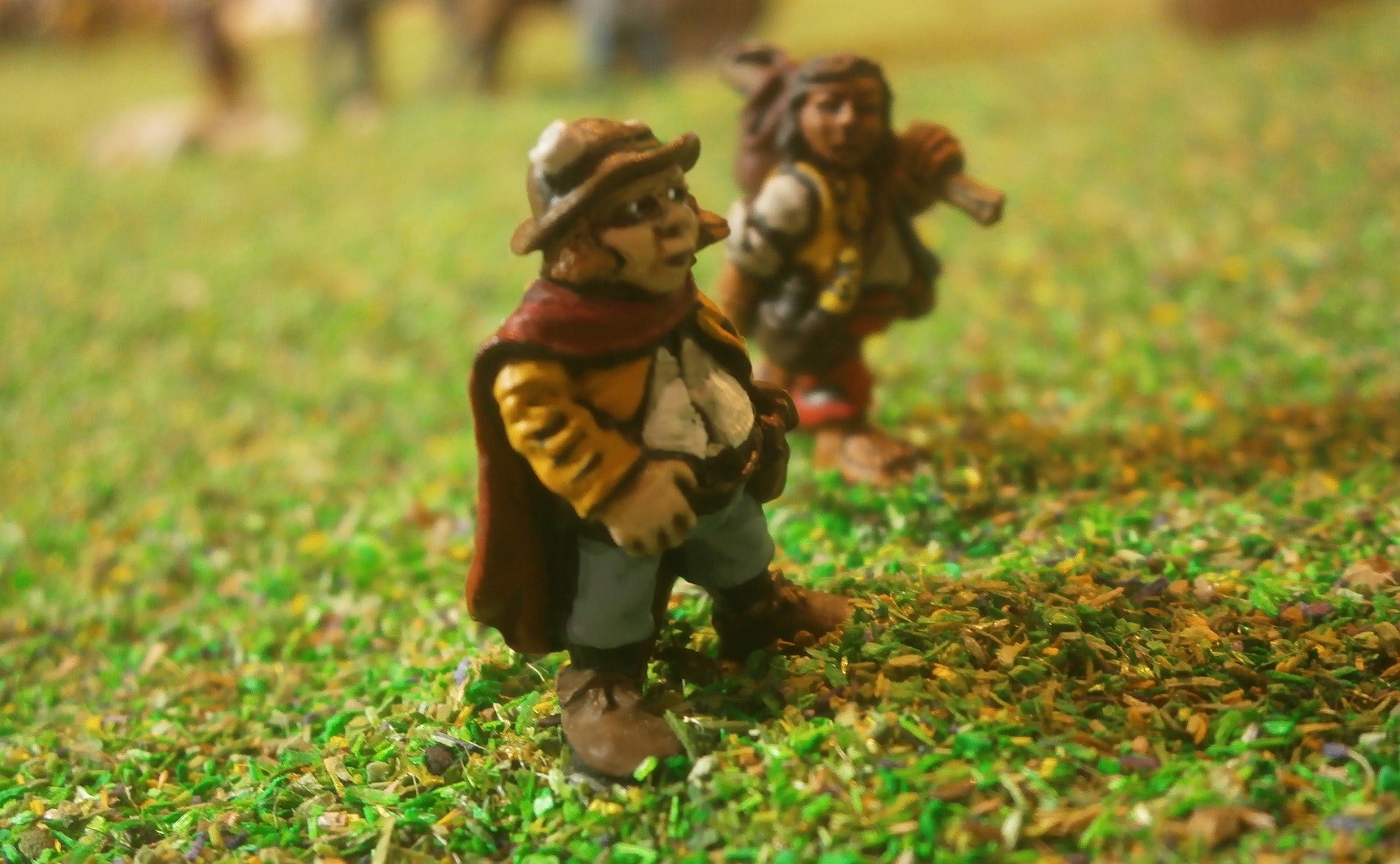
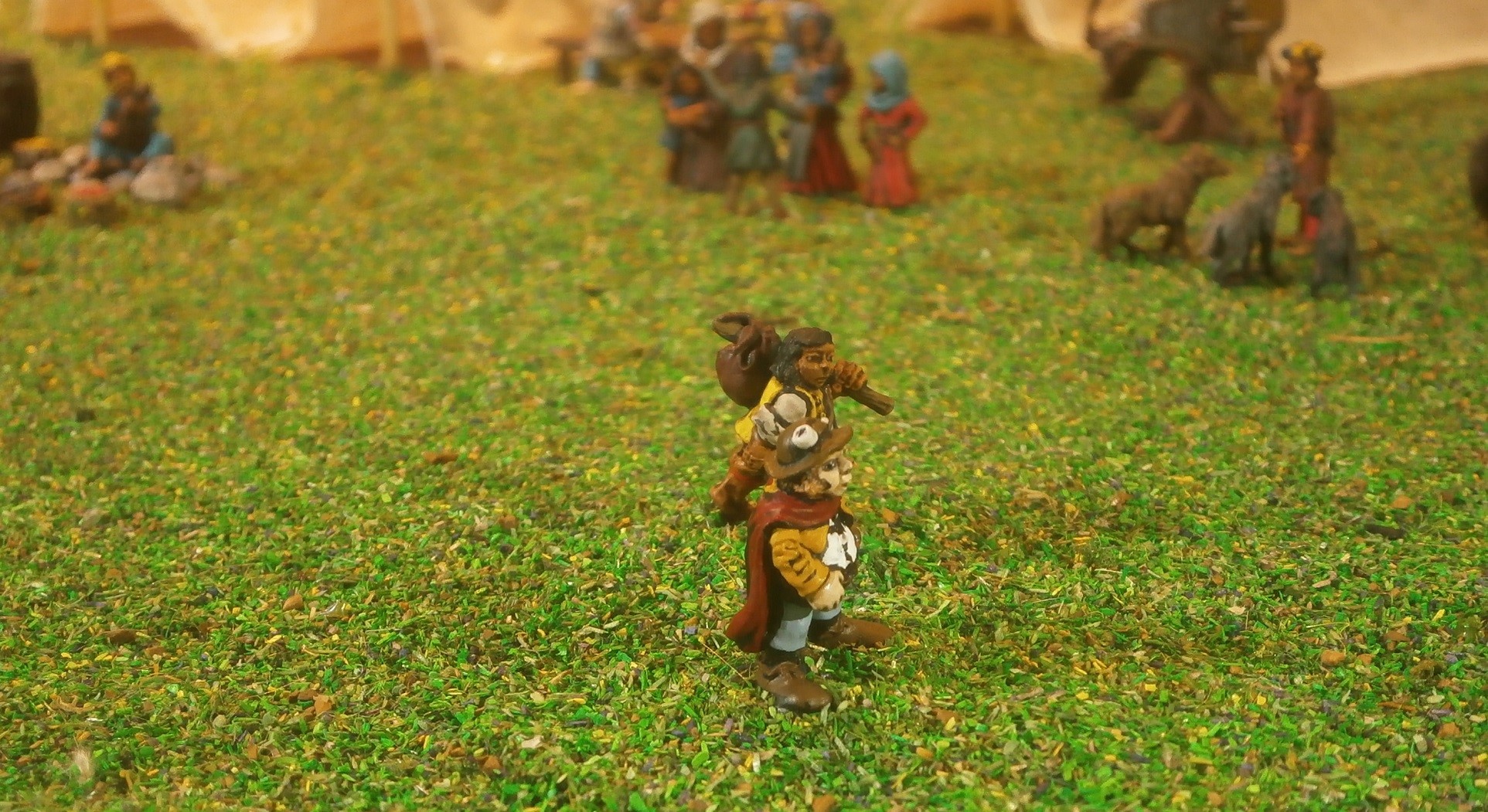
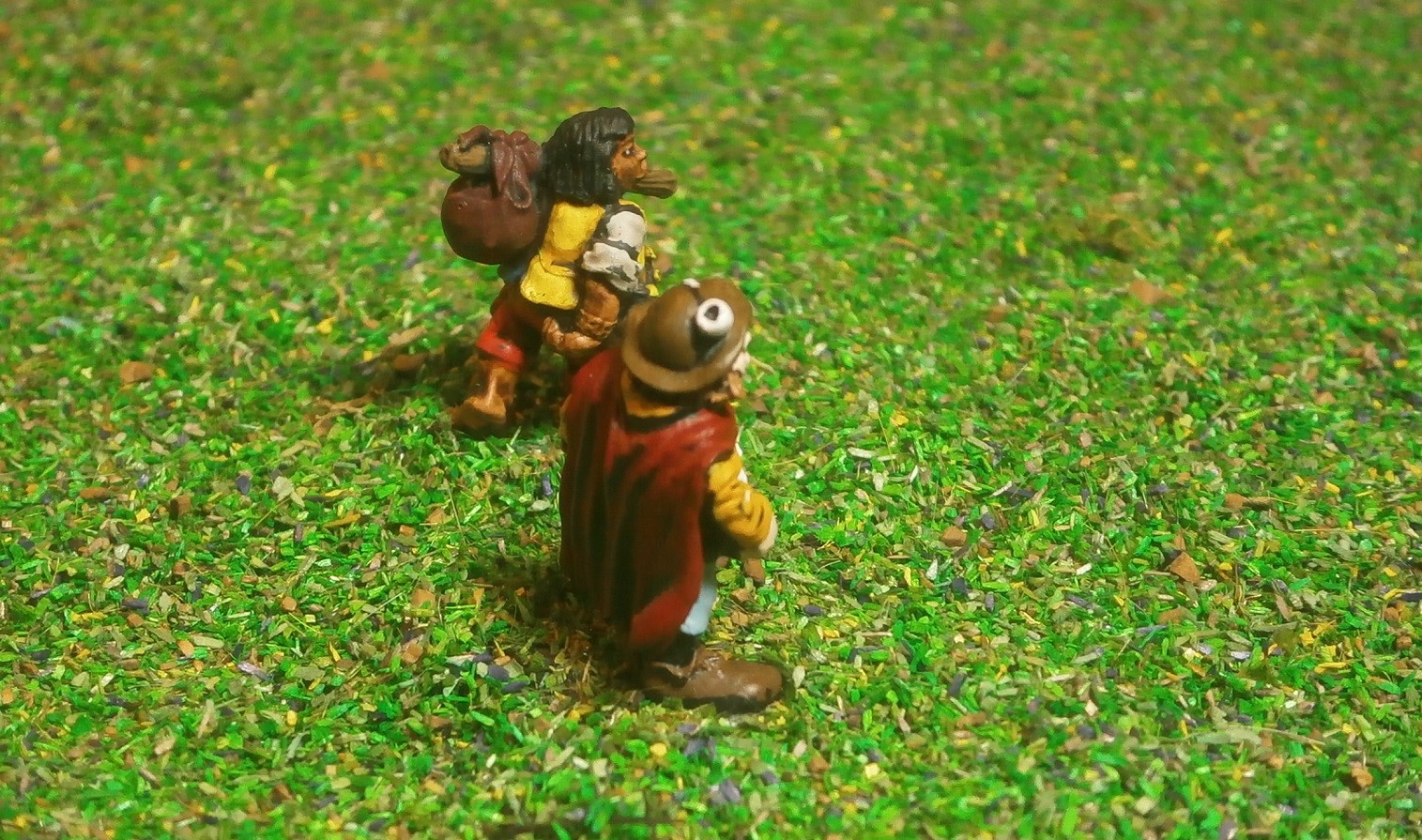
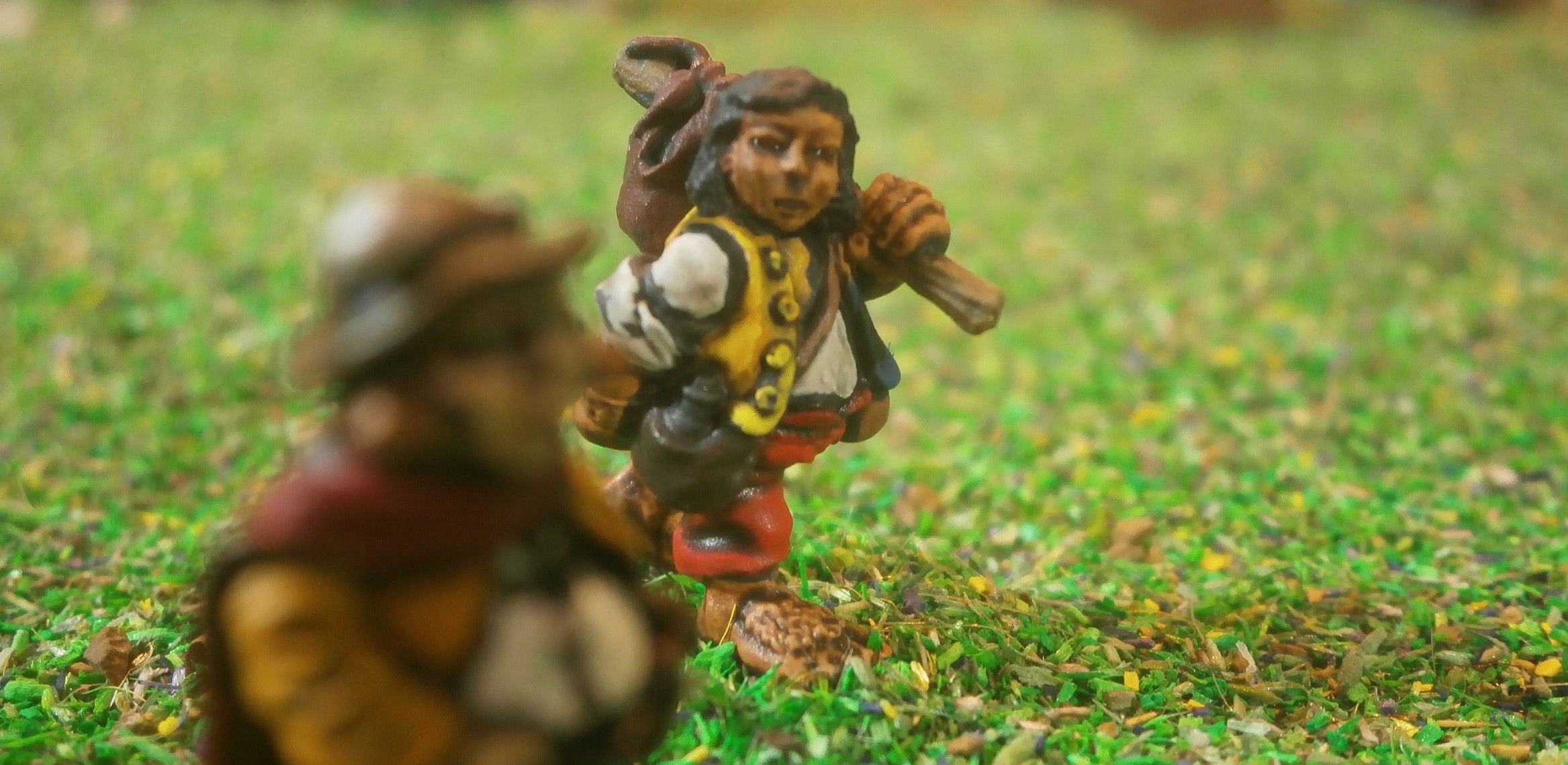
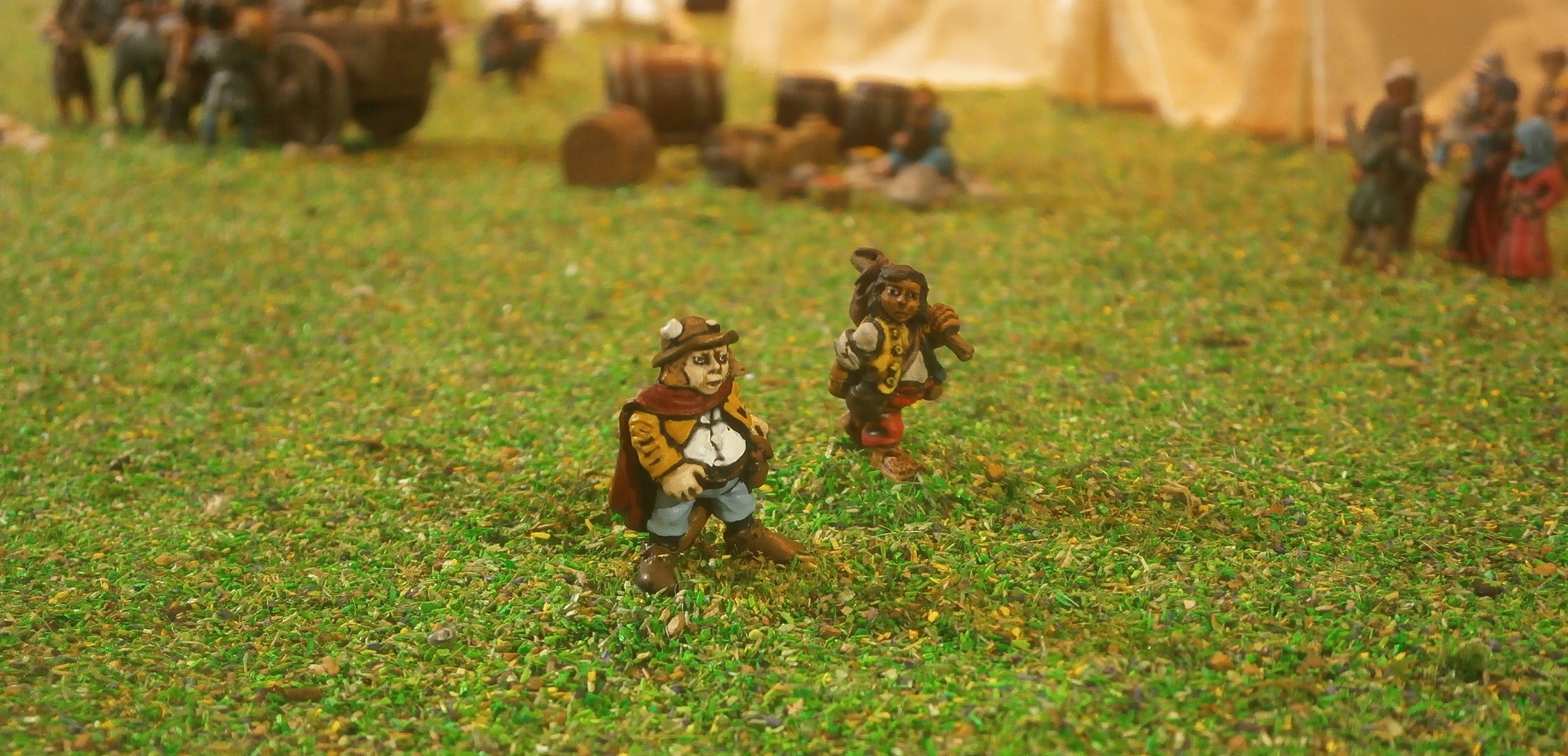
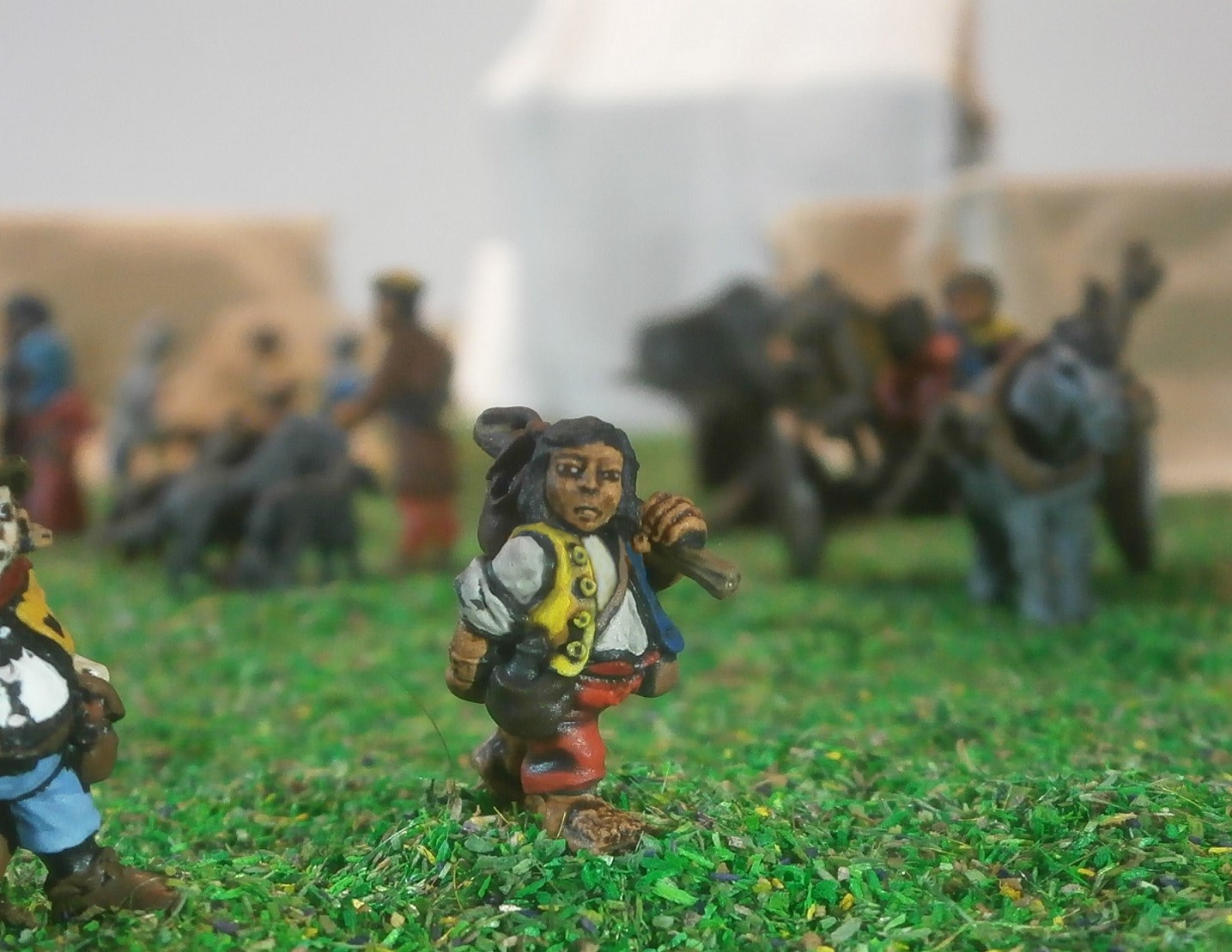
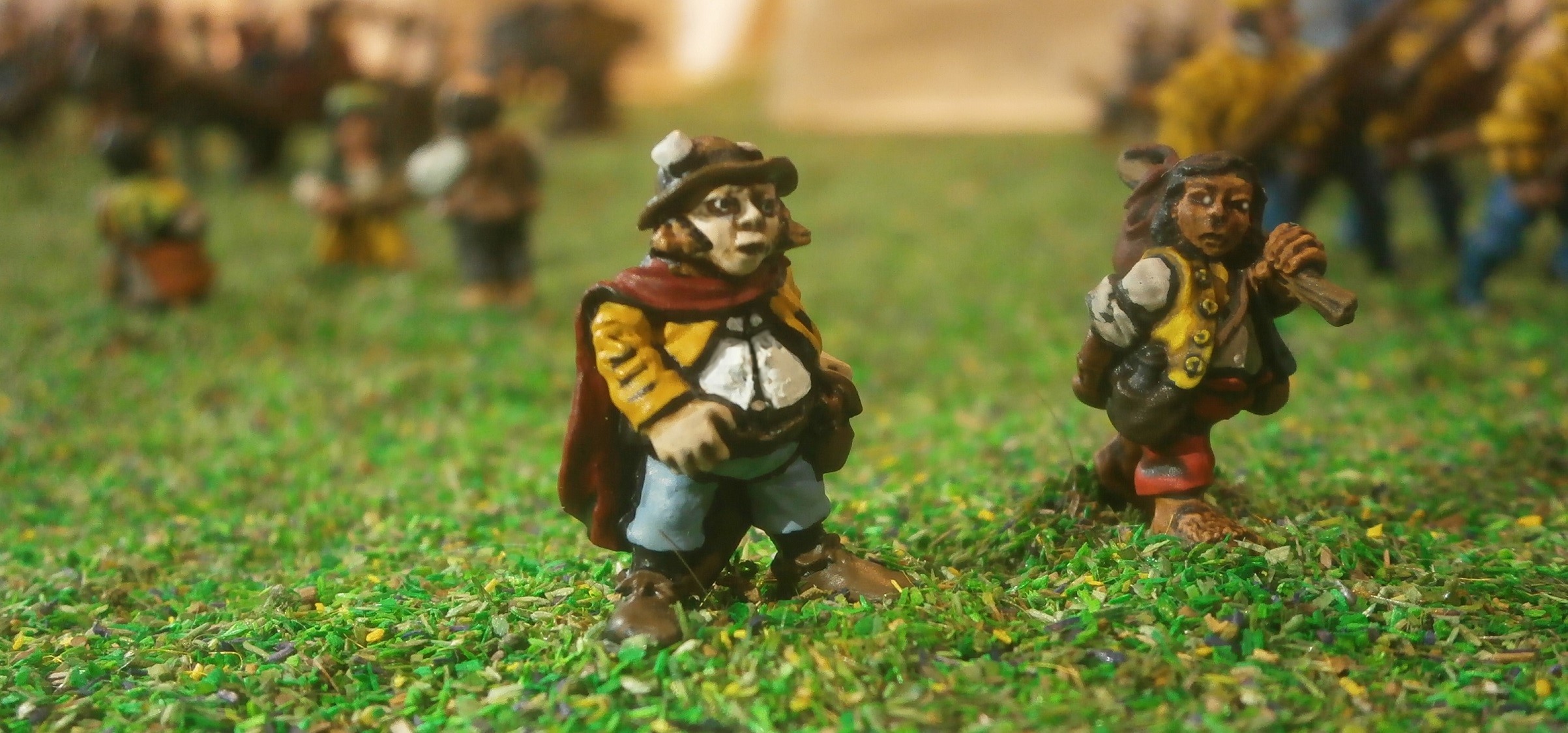
Two Verezzan halflings, Aluino Giardinieri and Bettolo Massini, were making their way around the camp’s perimeter, hoping to find their friends. Bettolo, a distant cousin and sometime attendant on the barone, considered himself someone important, and indeed wore a vermillion cloak to signify his connections with nobility. Aluino was a humble orchard keeper, who had been Bettolo’s neighbour since their youth. He was now the army’s official fruiterer – jokingly calling himself the army’s ‘fruitmaster general’.
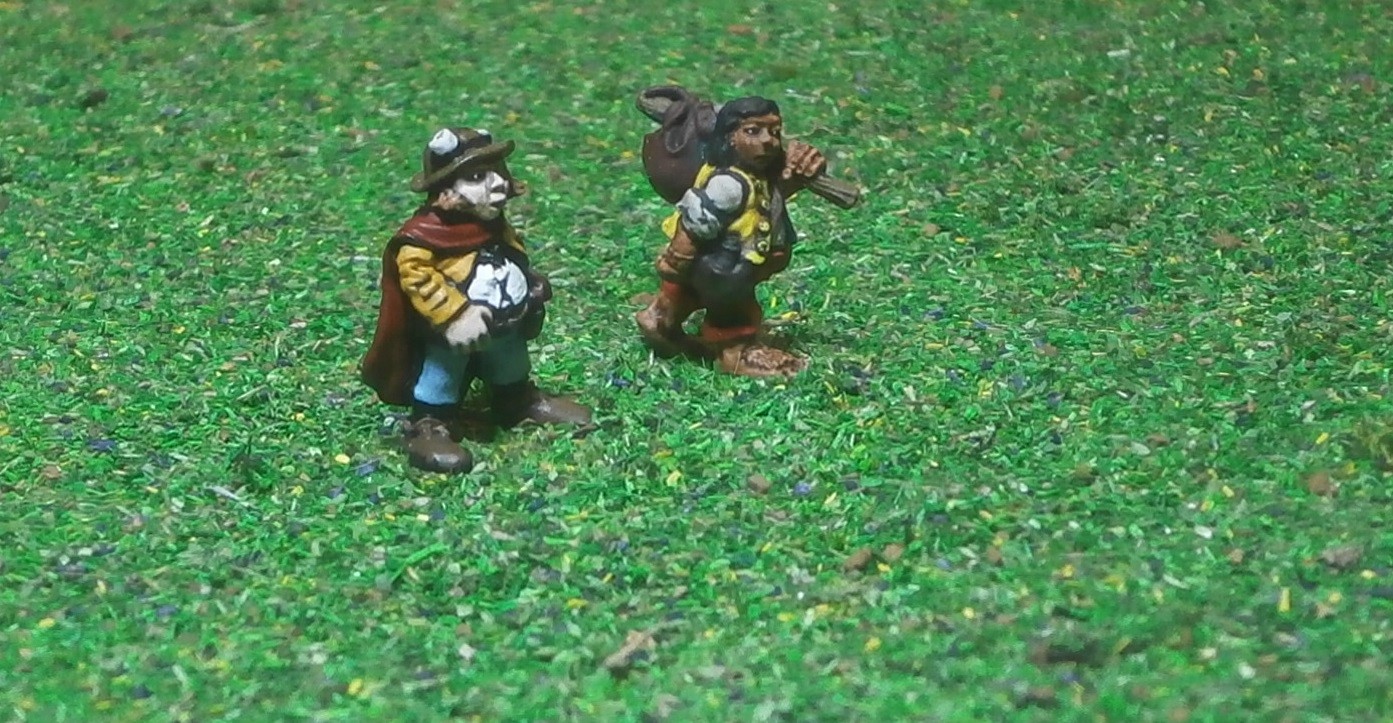
They were discussing matters political, particularly the nature of this grand alliance army.
“We have His Holiness Bernado, then, to thank for this great but fractious alliance?” suggested Aluino.
Bettolo nodded. “Aye, and our own Lord Iacopo. Without his agreement to the terms, and had he not persuaded Lord Galeotti also to accede, we’d still be at war with Pavona. Well, with what’s left of the Pavonan army anyway, which isn’t much at all, truth be told.”
Aluino had watched the Pavonans marching that morning, and they were indeed few in number.
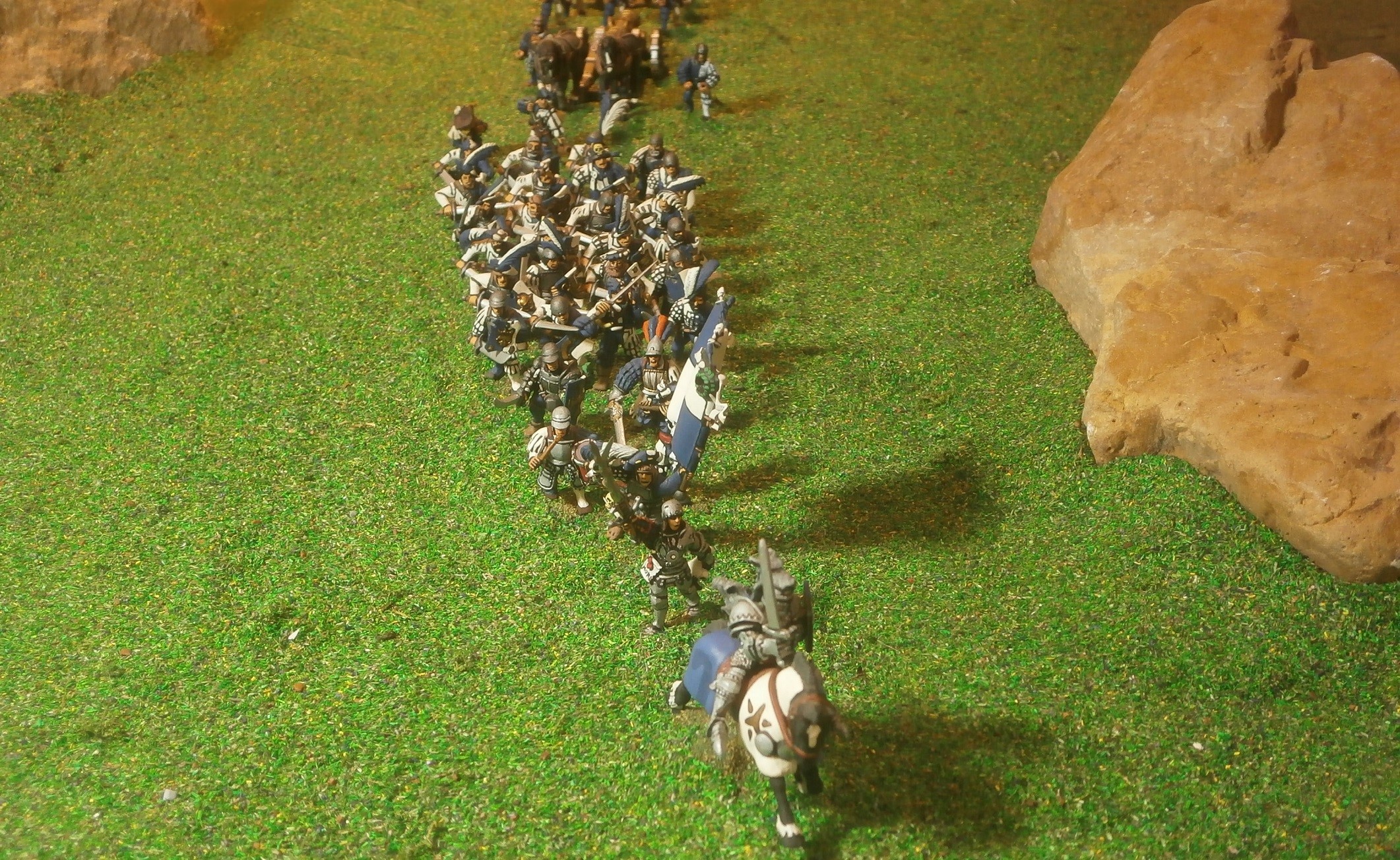
The Verezzans had conquered the realm of Pavona after killing Duke Guidobaldo, but the duke’s son, Silvano, lived, and personally commanded a small, veteran army which had sought refuge in the holy city of Remas, from where about half had subsequently departed to join the alliance. Half of a small army was not an impressive sight at all! Yet, to his mind, the fact that they still bore arms was, in itself, worrying, considering their reputation.
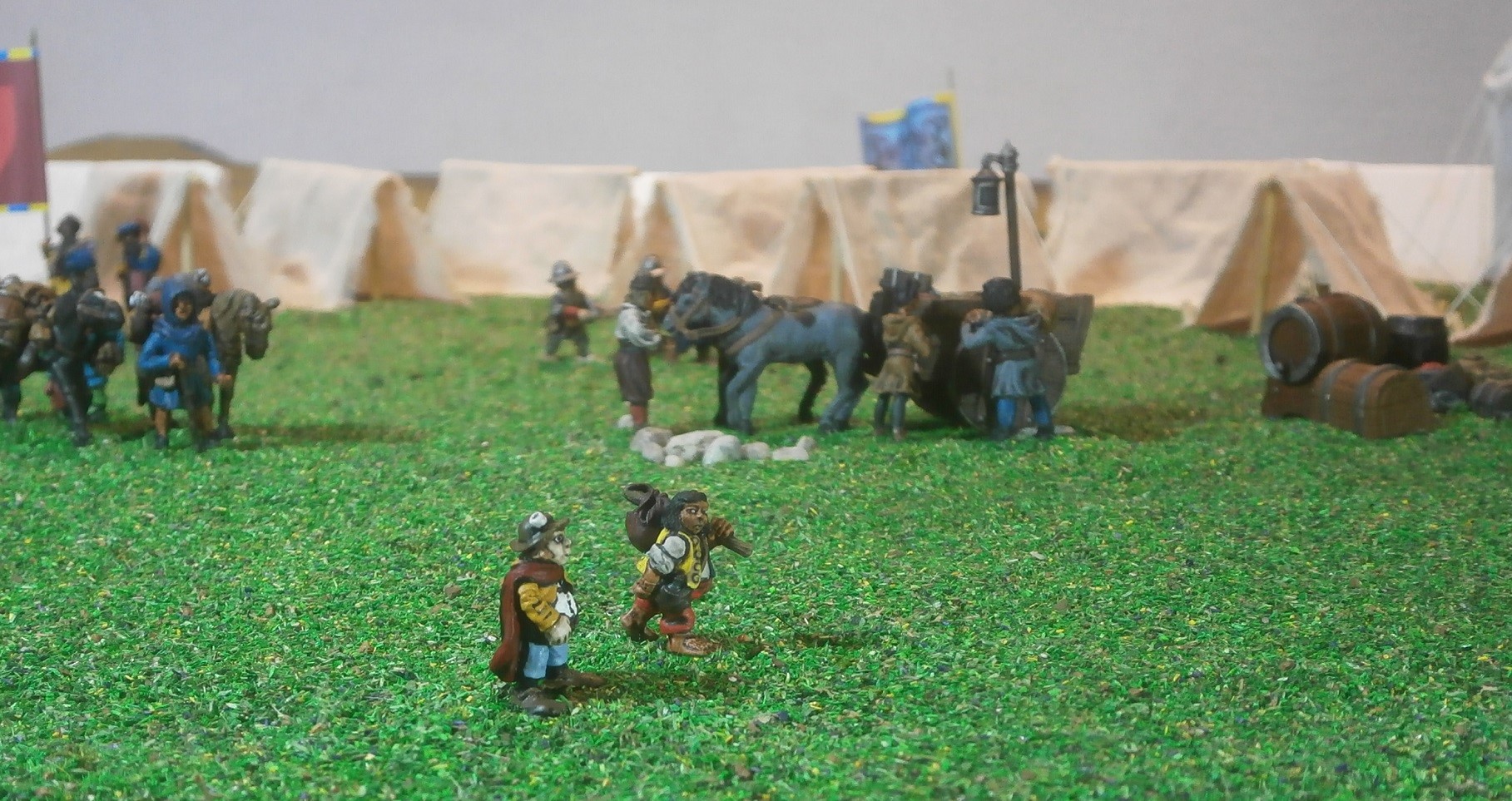
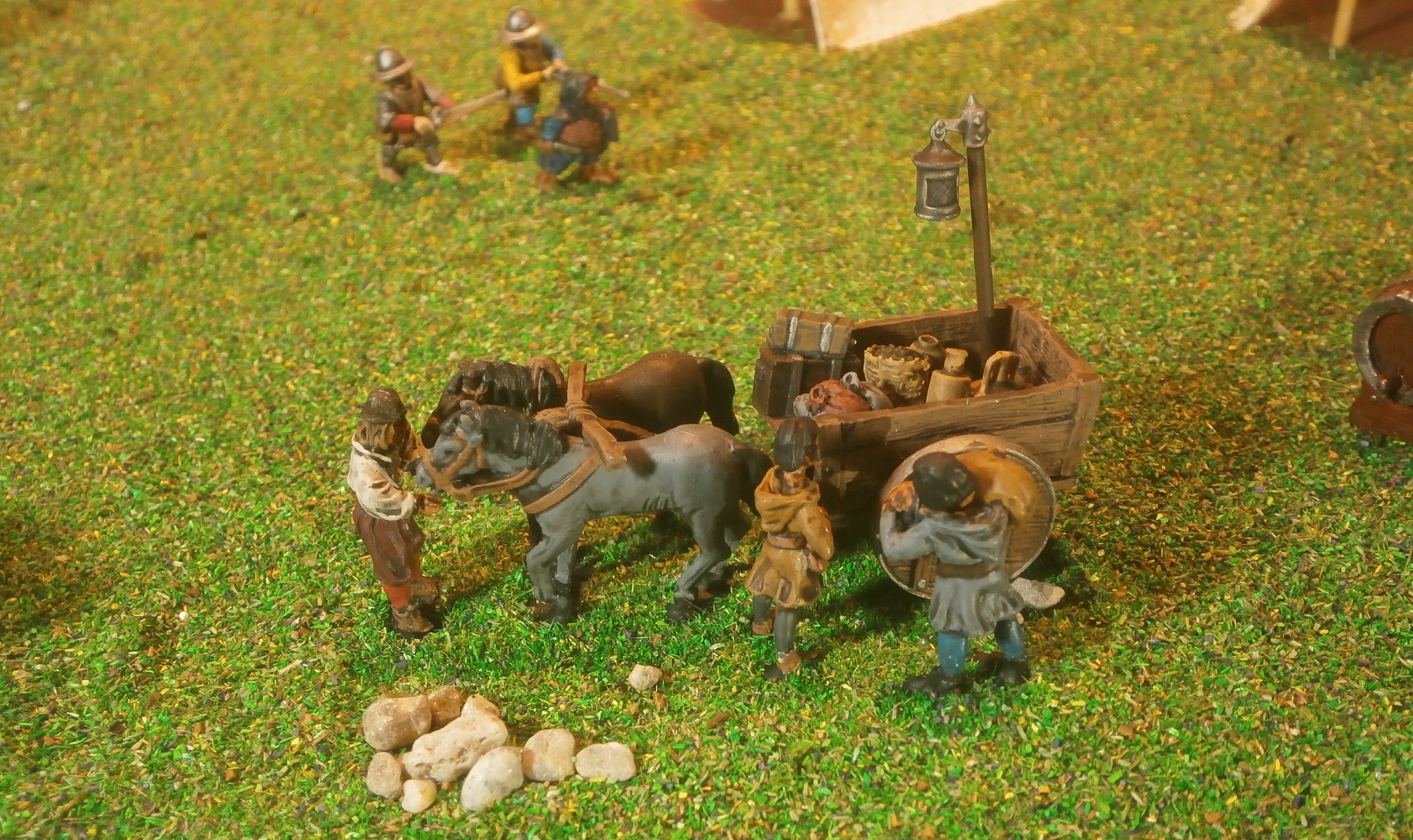
They were passing yet another cart, and Aluino noticed that one carter was fussing over the horses, feeding them apples.
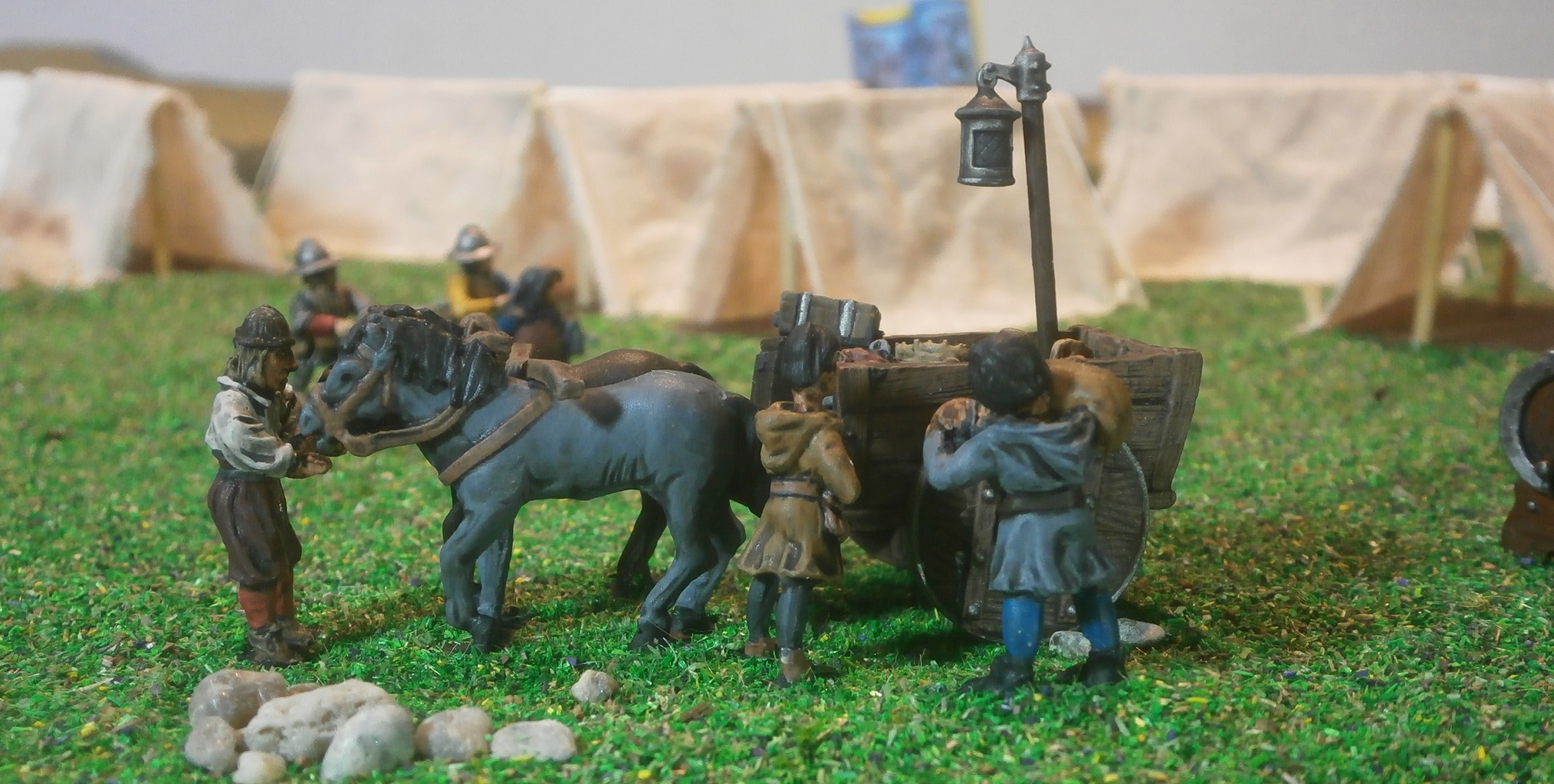
Was that a waste of good apples? he asked himself. But then, why shouldn’t the horses get a little treat after a hard day’s work? And there were still plenty of apples to go around.
“Maybe we are still at war?” said Aluino, returning to the more serious topic he and Bettolo had been discussing. “Maybe this is more of a truce than a permanent peace? A necessary exigency, because of the rats, after which the fighting between us will start over?”
Bettolo was frowning. “No, no, that’s not likely,” he said. “I myself heard the arch-lector’s terms read out. They concerned a proper end to the war, with each party agreeing to certain clauses, some being paid, others doing the paying, and all promising that they would not cause trouble in the future. And, should any party violate the agreement, then Remas would stand with the rest against said culprit.”
Aluino snorted with laughter, then declared, “And of course, no Tilean lord has ever broken his word!”
Bettolo shrugged as if Aluino’s point were of little consequence. He had been present when the arch-lector’s letter was read to his master, Iacopo, by a priestly emissary.
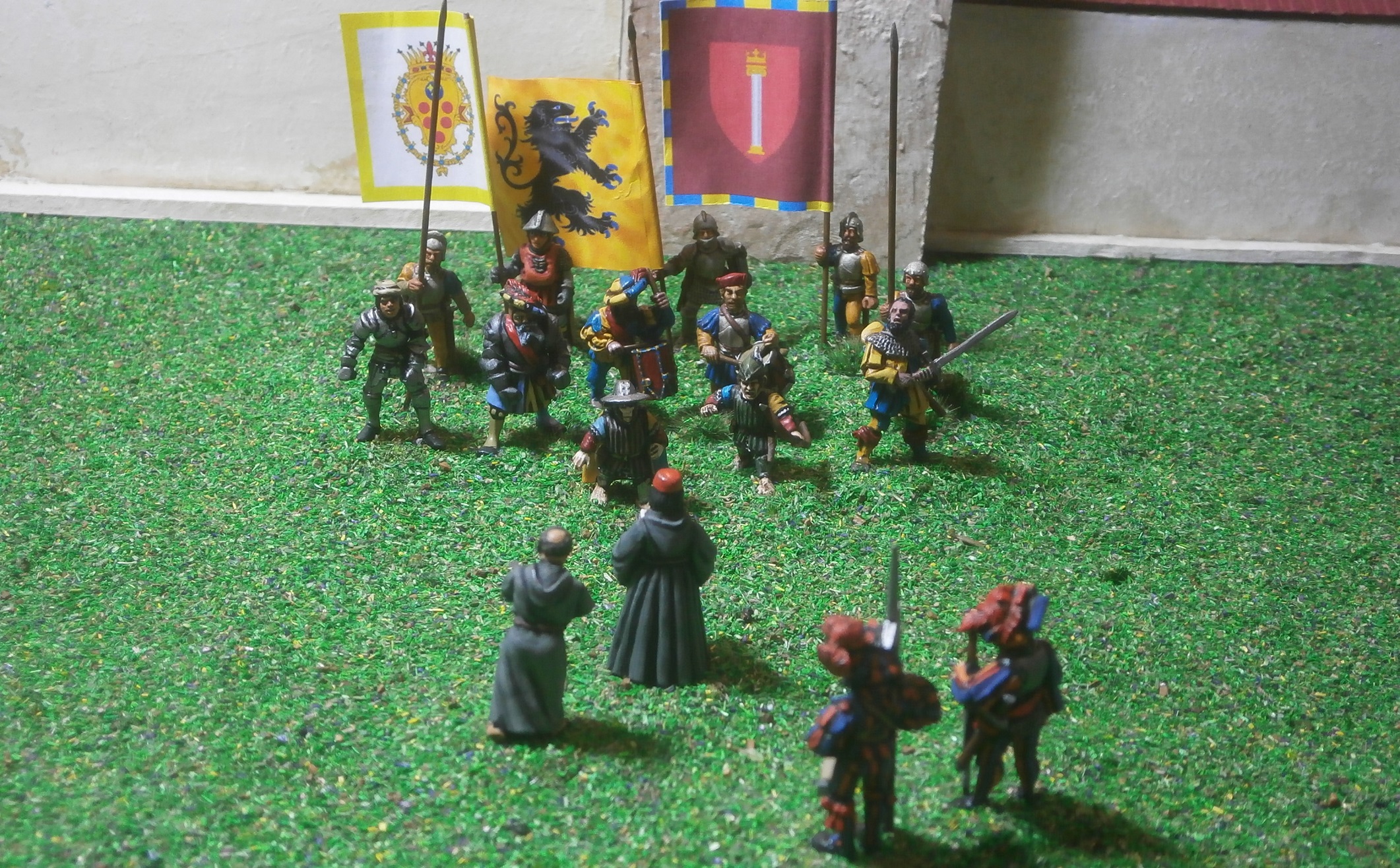
He had not been standing, of course, with the officers and ensigns, but close enough to hear the priests’ words. When the reading ended, he then witnessed both Barone Iacopo and Prince Galeotti’s signing.
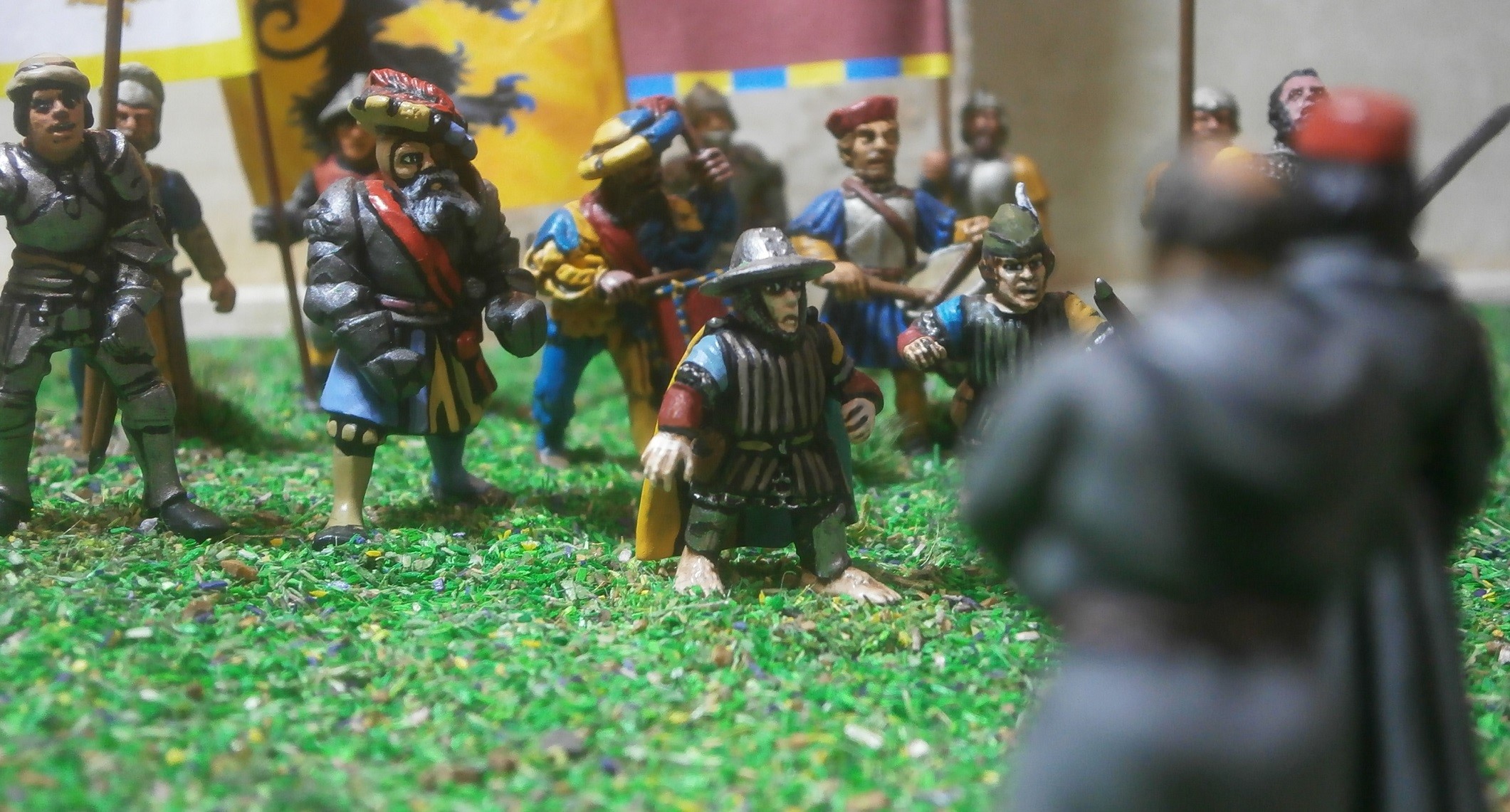
The terms contained in the agreement had, to his admittedly inexperienced ears anyway, seemed reasonably robust.
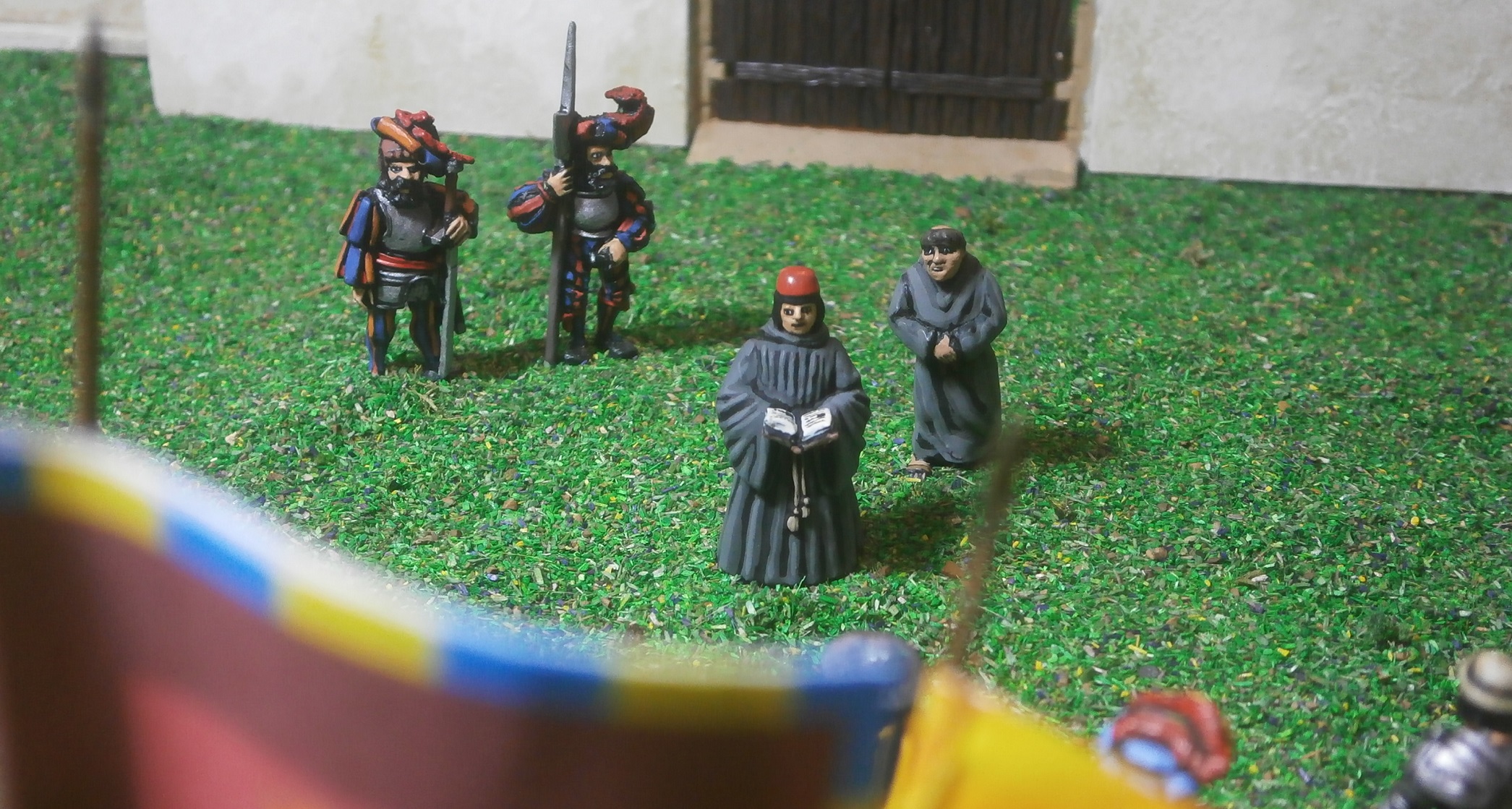
“This to the most noble Barone Iacopo Brunetti, regent of Verezzo, Capitano del Popolo and Lord of Poliena, from His Holiness Bernado Ugolini, arch-lector and highest servant of Most Holy Morr.
It seems, old friend, that there is a great deal that must be resolved and settled in our part of Tilea, so that we might all survive the greatest threat we have faced since the vampires sent their armies south. And, as ever, being the first servant of holy Morr who watches over all of us, and who judges us by our deeds and our characters, it falls to me to mediate between the several parties in this great disagreement, and quickly, before our division and distrust allows the verminous foe to destroy us all, piecemeal.
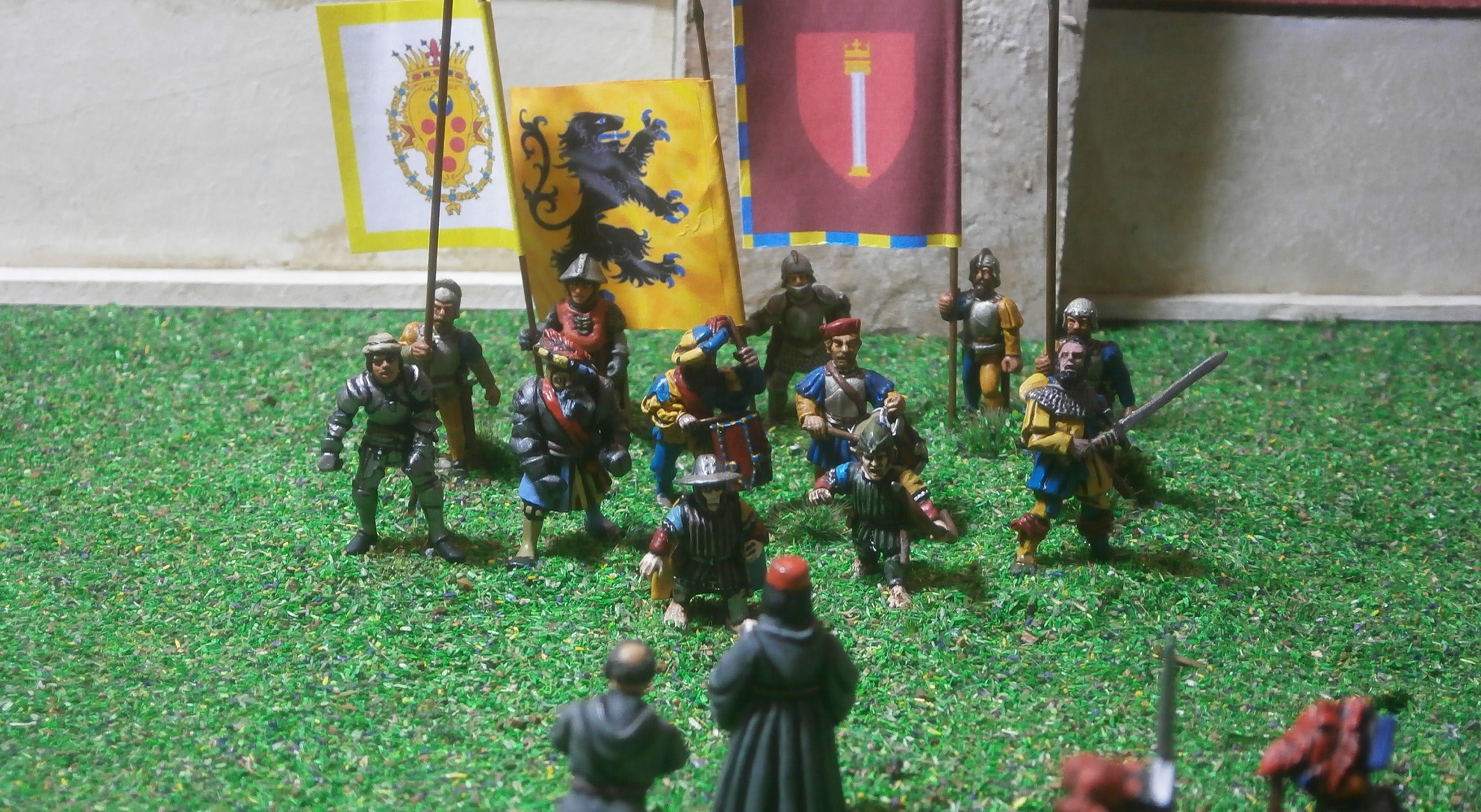
So it is, I propose the following settlement, in the hope it will satisfy all those concerned, in accordance with their rights, inheritances, duties and honour heretofore, thereby bringing about a genuine peace between us, necessary that we might join together as one against our common foe.
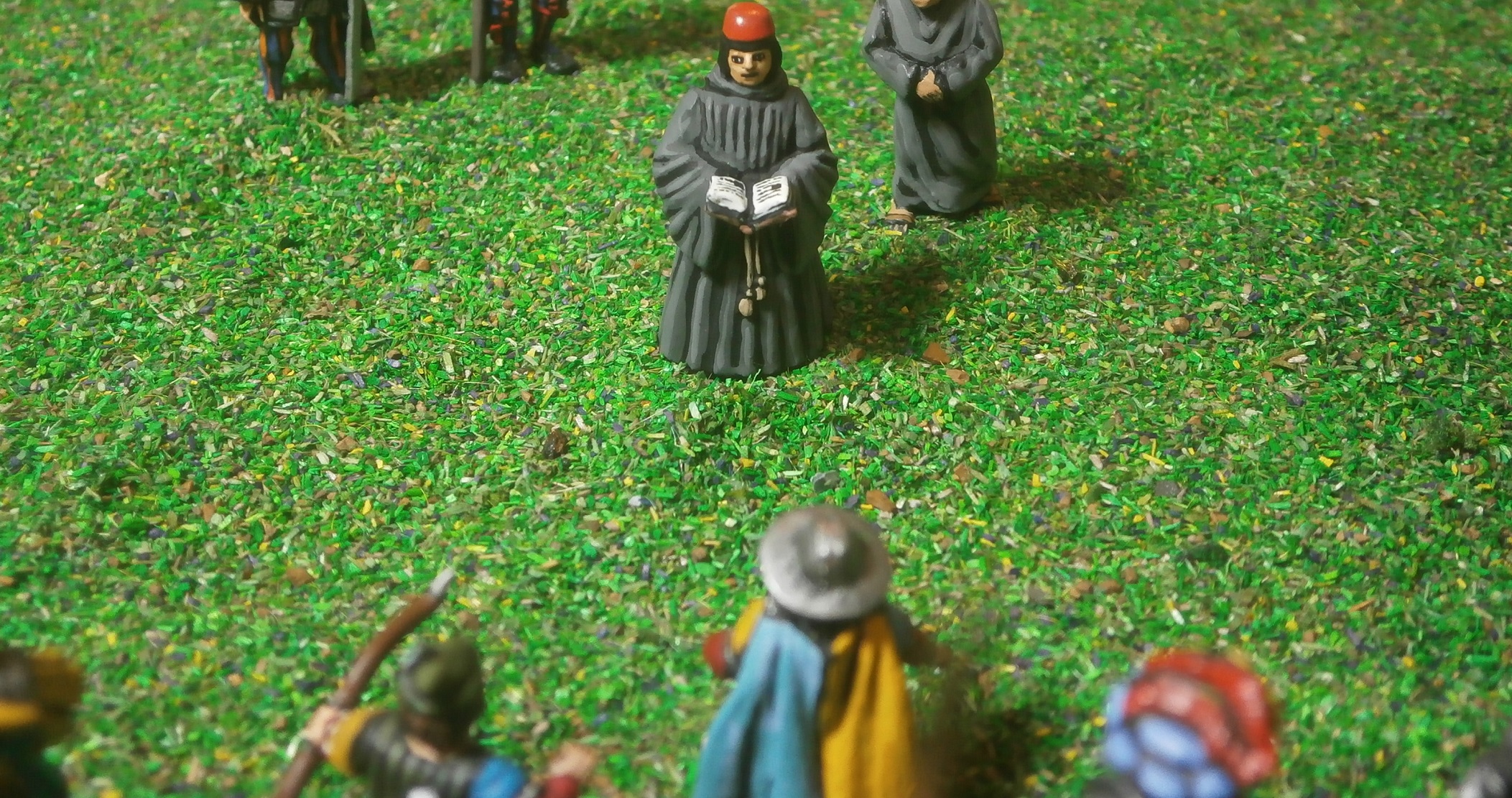
Galeotti de Medizi, cousin of Prince Girenzo, and legitimate claimant to the rule of Trantio, will have said realm restored unto him, howsoever ravaged and ruinous it now lays, and will have 16,000 florins each from both Remas and Verezzo to aid in the restoration of that realm to sufficient health, so that it might thereby become once more a bastion against threats from the north. And that he will faithfully promise and publicly declare that there shall henceforth be peace between him and his realm and those of Pavona and Verezzo.
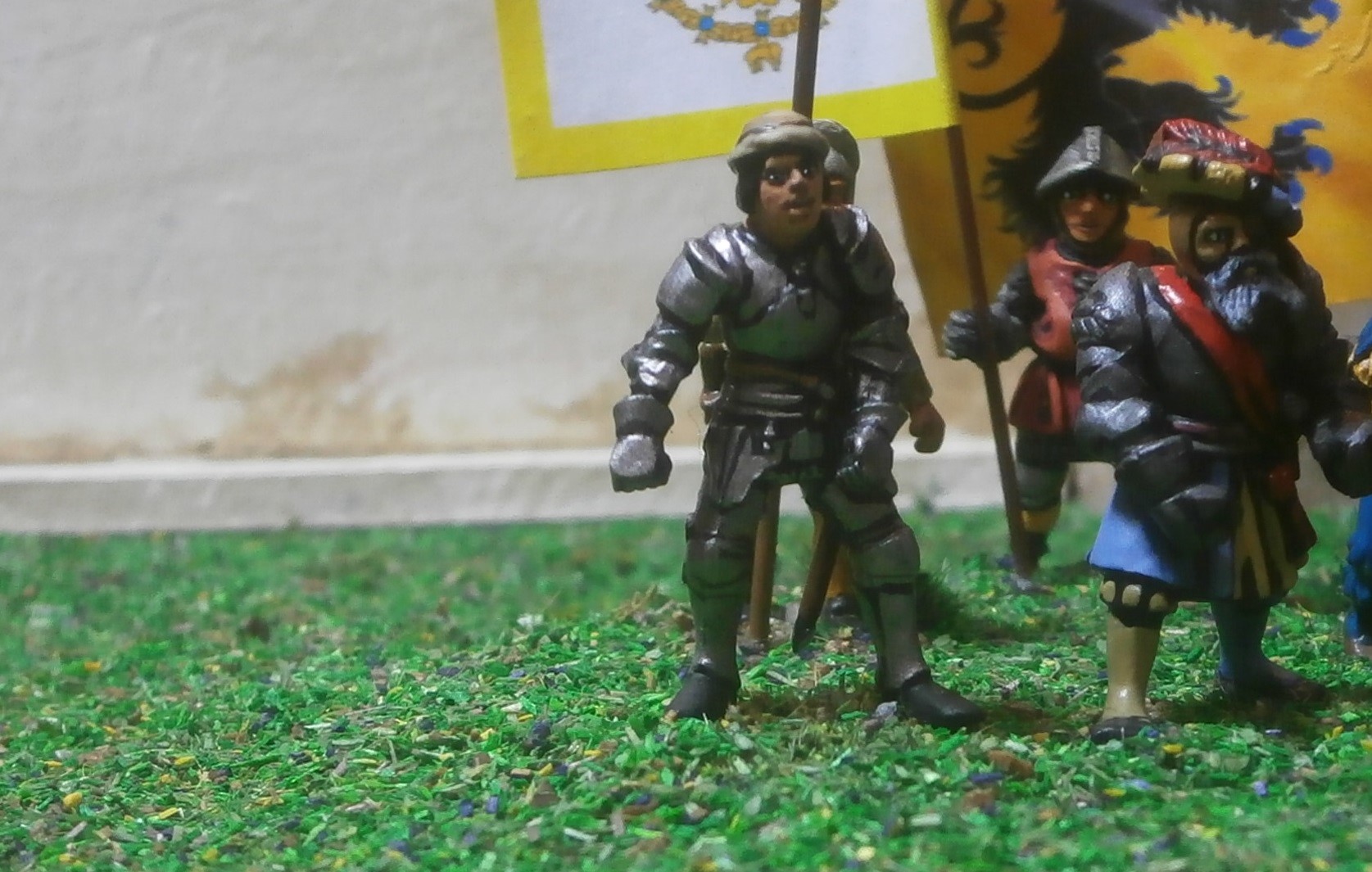
That Duke Silvano Gondi, heir to Duke Guidobaldo, be restored to his rightful rule of Pavona, having sworn a binding oath of non-aggression towards Verezzo and Trantio, both the rulers and their peoples, in the name of Most Holy Morr, and to pay one third of the realm’s raised taxes and income to Verezzo for the next year, and henceforth to have Remas’s promised aid if either Verezzo or Trantio attack the realm of Pavona without just cause. And that this agreement is null and void if ever, and as soon as, Pavona attacks Verezzo or Trantio, or fails to pay that which by this agreement it is due to pay.
That Verezzo’s army, under your command, leave the realm of Pavona, without any further razing of settlements, or any more plundering of any kind. And that from henceforth, if Pavona ever again launches bloody raids into Verezzo, without just cause, Verezzo will have Remas’s aid. And that this agreement is null and void if ever, and as soon as, Verezzo attacks Pavona without prior and demonstrable provocation.
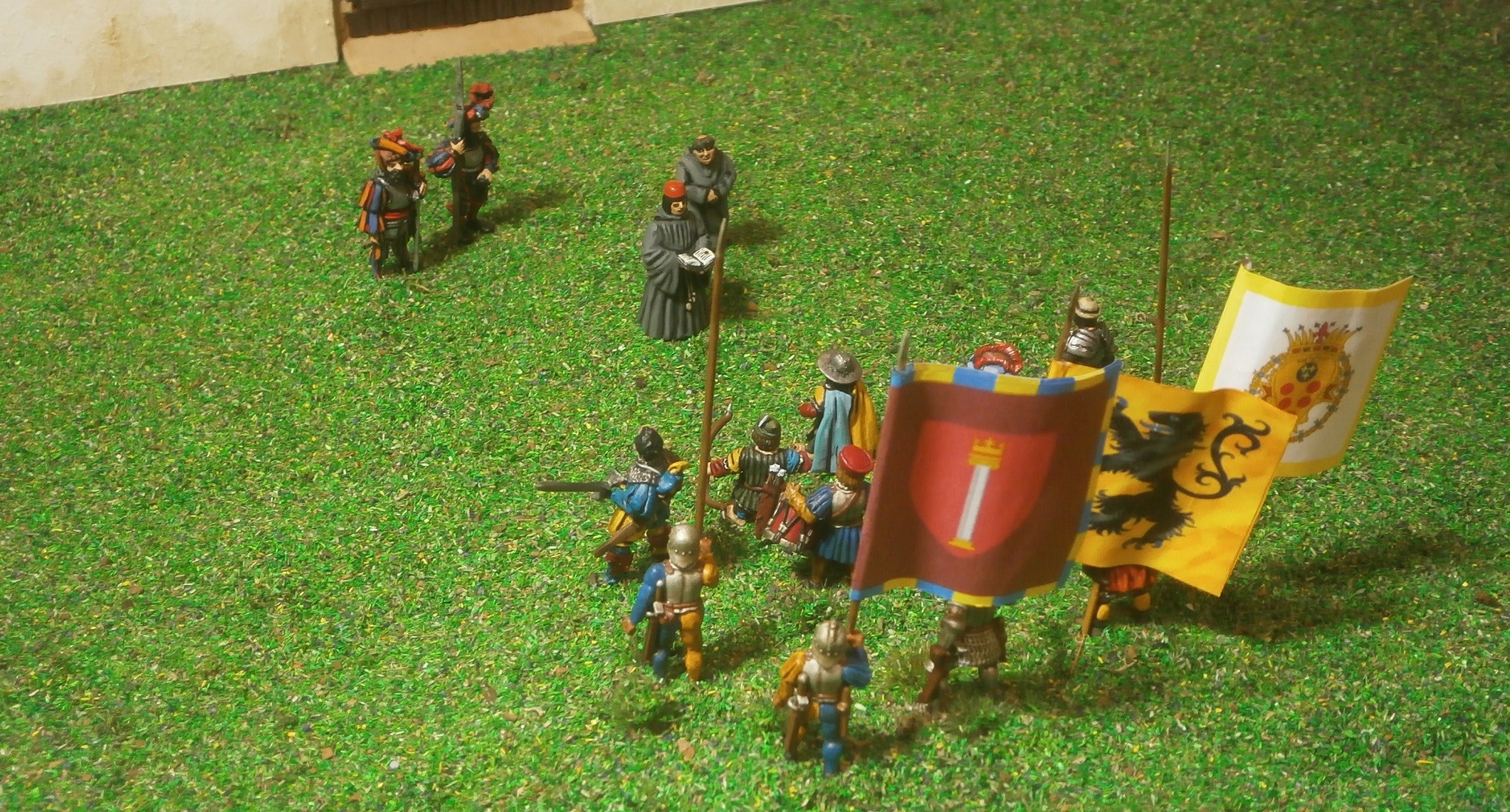
If these terms can be agreed, so that peace between all our realms is achieved, then I believe we can join each other in a grand alliance greater even than that led recently by Lord Alessio Falcone against the vampires, sufficiently mighty to kill every ratman or drive them back into the dank crevices and tunnels deep underground from which they sprang.”
They could hear someone singing – not the voice of a halfling, but a man. It was a somewhat melancholy song accompanied by a lute. Perhaps the musician was limbering up his fingers and throat for the considerably sillier and bawdier songs likely to be demanded of him as the evening wore on? Such would be required if he were to entertain and lift the spirits of both soldiers and camp followers.
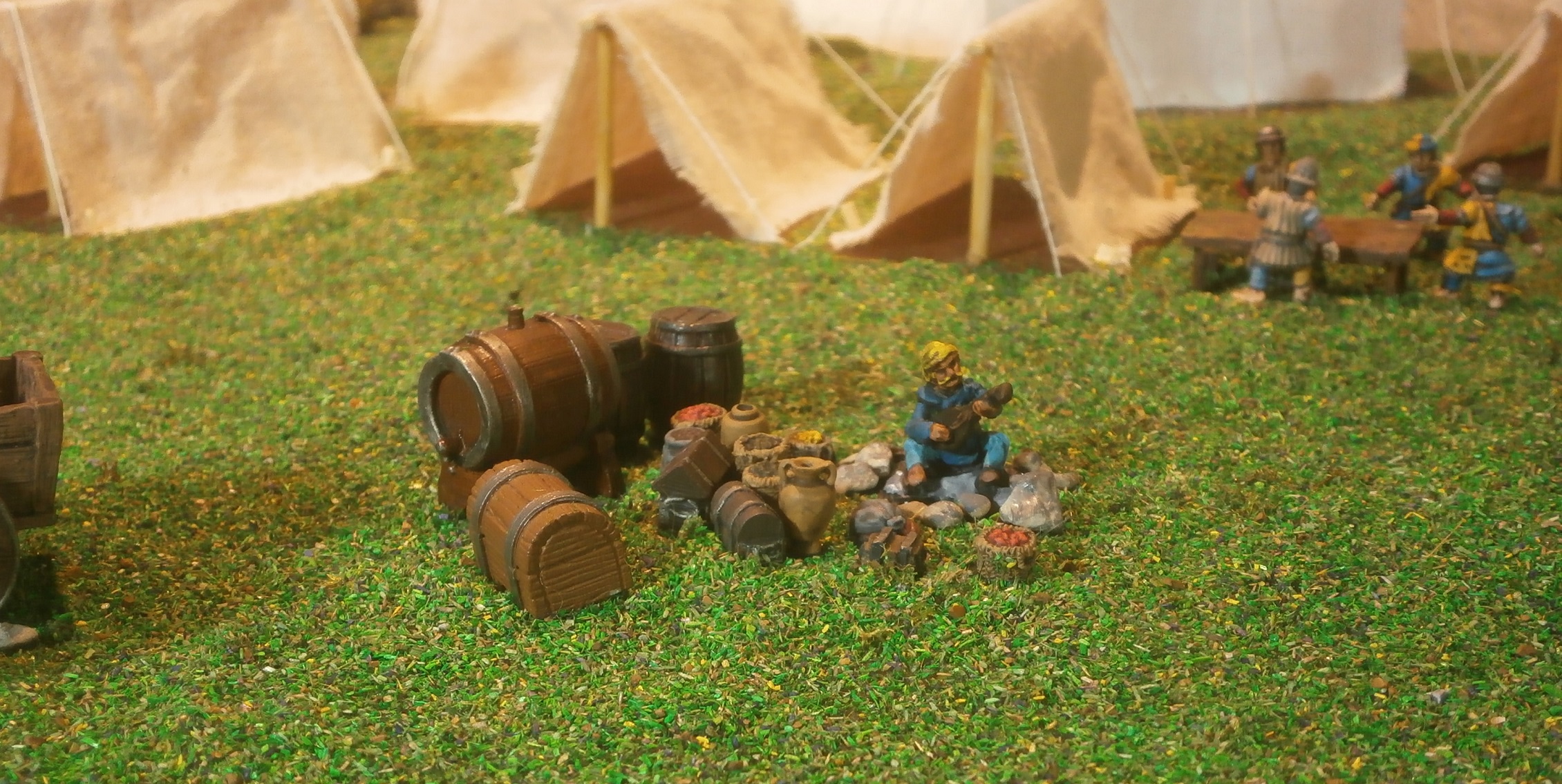
The fellow was seated upon some rocks, next to a collection of unloaded barrels and other goods. The singer probably thought it was a good place to wait for folk to gather. Aluino noticed several baskets of apples and, if his rather sensitive nose was to be trusted, onions. He knew the keeping of such together could ruin the apples, what with their sponge-like tendency to absorb flavours. But that would take some time, and they would have to be confined together in an enclosed space. These were outside, in separate baskets, and would no doubt be consumed before nightfall – surely the reason they had been off-loaded from a wagon? The apples would taste fine upon their eating.
His momentary concerns dismissed, he went back to considering rather more consequential matters.
“Well, whatever was agreed, and by whoever,” he said, “there’s one thing for certain – we can never trust the Pavonans”.
“Oh, everyone knows that,” agreed Bettolo. “Have you noticed how the Remans have been camping between us and the Pavonans? That’s not by accident. They don’t trust either of us to behave when we meet, especially when tap-shackled of an evening.”
This was exactly what Aluino, and no doubt umpteen others, had been worrying about.
“And yet,” he said, “the barone is captain-general, which means the Pavonans are under his command. He leads men who might not follow his orders, while his army’s constituent parts distrust each other. Like I said, a fractious alliance, which does not bode well for the battle ahead.”
Bettolo seemed to ponder this a while, until, in a cheery tone, as if to convey reassurance, he declared,
“I don’t think the Pavonans will start anything, Ali. Galeotti’s Trantians hate them as much as we do, and together we and Galeotti’s boys outnumber the Pavonans many times over. That’s why the barone became captain-general without even a moment’s debate – because we have the numbers. Only fools would try their luck against such odds, even if they bare a hatred. And even fools would surely know that the rats are the greatest danger right now.”
Aluino was not convinced. “Foolishness can be a consequence of pride, and there are few in the world as proud as Visconte Carjaval. Who knows what he will do?”
Carjaval, commander of the alliance’s Pavonan brigade, had been Guidobaldo’s right-hand man, and so, for many years, had been deeply intertwined with the duke’s treacheries. He was of an ancient, noble line, and his arrogance and haughtiness were renowned.
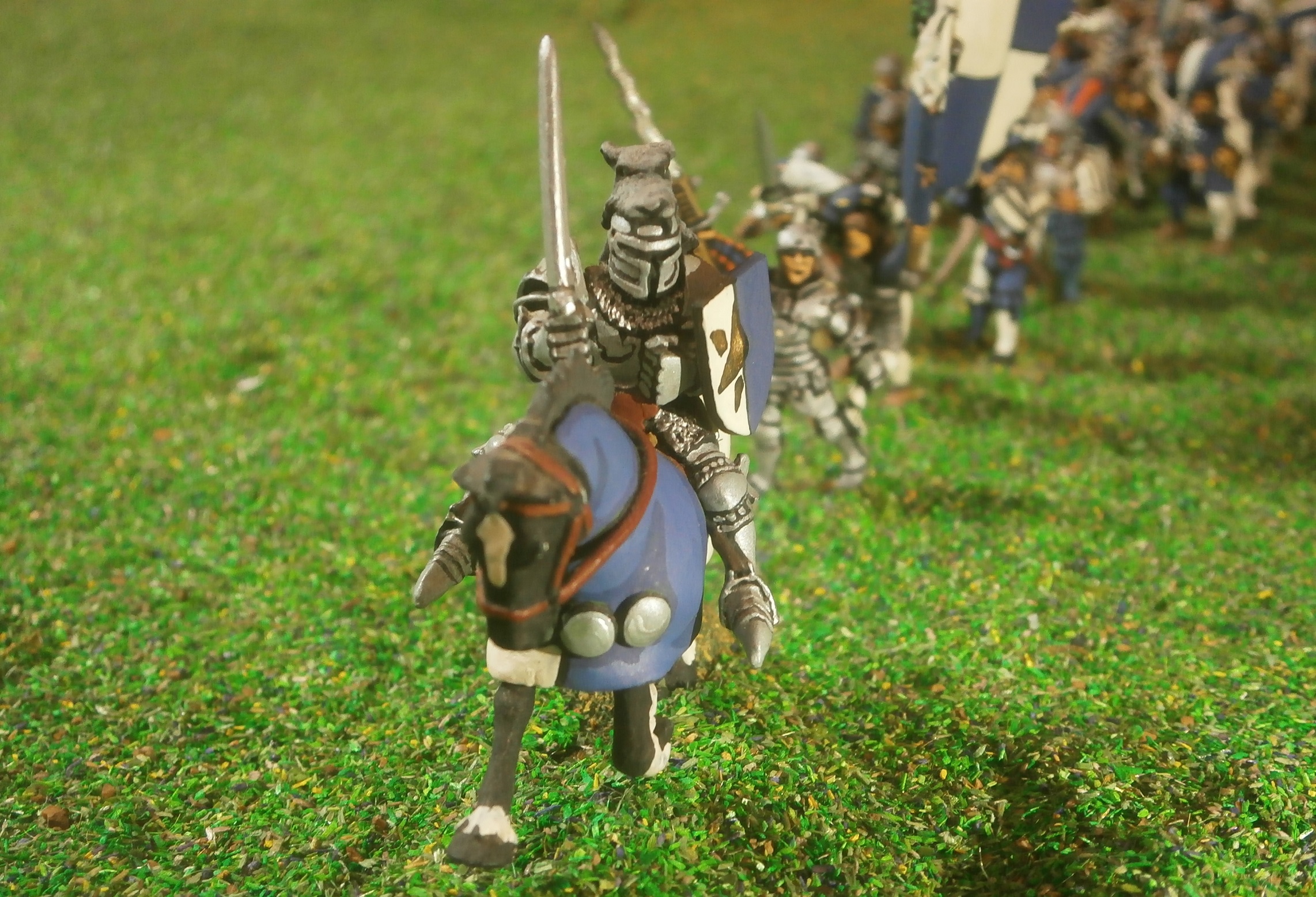
It was said that he had encouraged the hanging of the halflings in the city of Pavona after the supposed assassination attempt on Duke Guidobaldo.
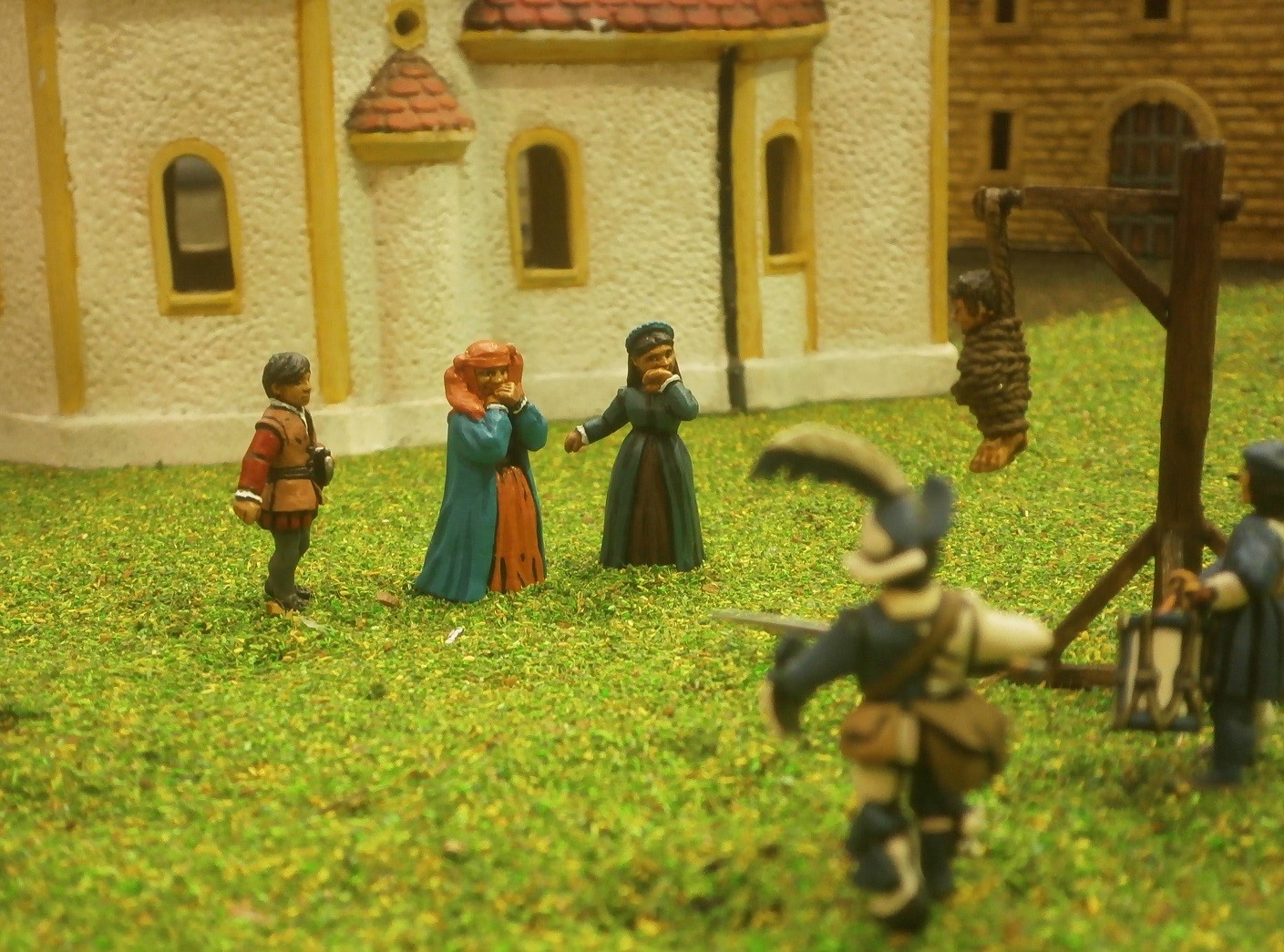
More recently, not much more than a week before the peace treaty was agreed, he himself had led a company of hired Reman bravi in a skirmish against Galeottti de Medizi and his pistoliers, leaving several wounded and one dead. Both sides had been sent out to scout the rats’ encampment, then on encountering each other their orders were soon forgotten as old hatreds came into play. But that was before the new peace had begun.
“Carjaval will do, I think, whatever Lord Silvano told him to do,” asserted Bettolo. “Hopefully that’s to help us defeat the rats. I have heard a few folk say that Silvano is not his father, which, if true, can only be a good thing, surely?”
Silvano was not with the alliance army. Despite the meagre size of his own force, he had nevertheless divided it in two, and while Carjaval marched one half away with the Remans to join the alliance army, Silvano himself had lingered in Remas with the rest of his men.
An agitated child’s voice could be heard now, and both halflings turned to see a boy gesticulating wildly as he delivered some sort of pained excuse to a little company of woman and children. From the way the little ones clung to their mothers, as if they were frightened of what was before them, it was plain that the boy must have caused some upset. The disgusted look on an older girl’s face revealed more than the half-heard words could – the boy was definitely to blame for something.
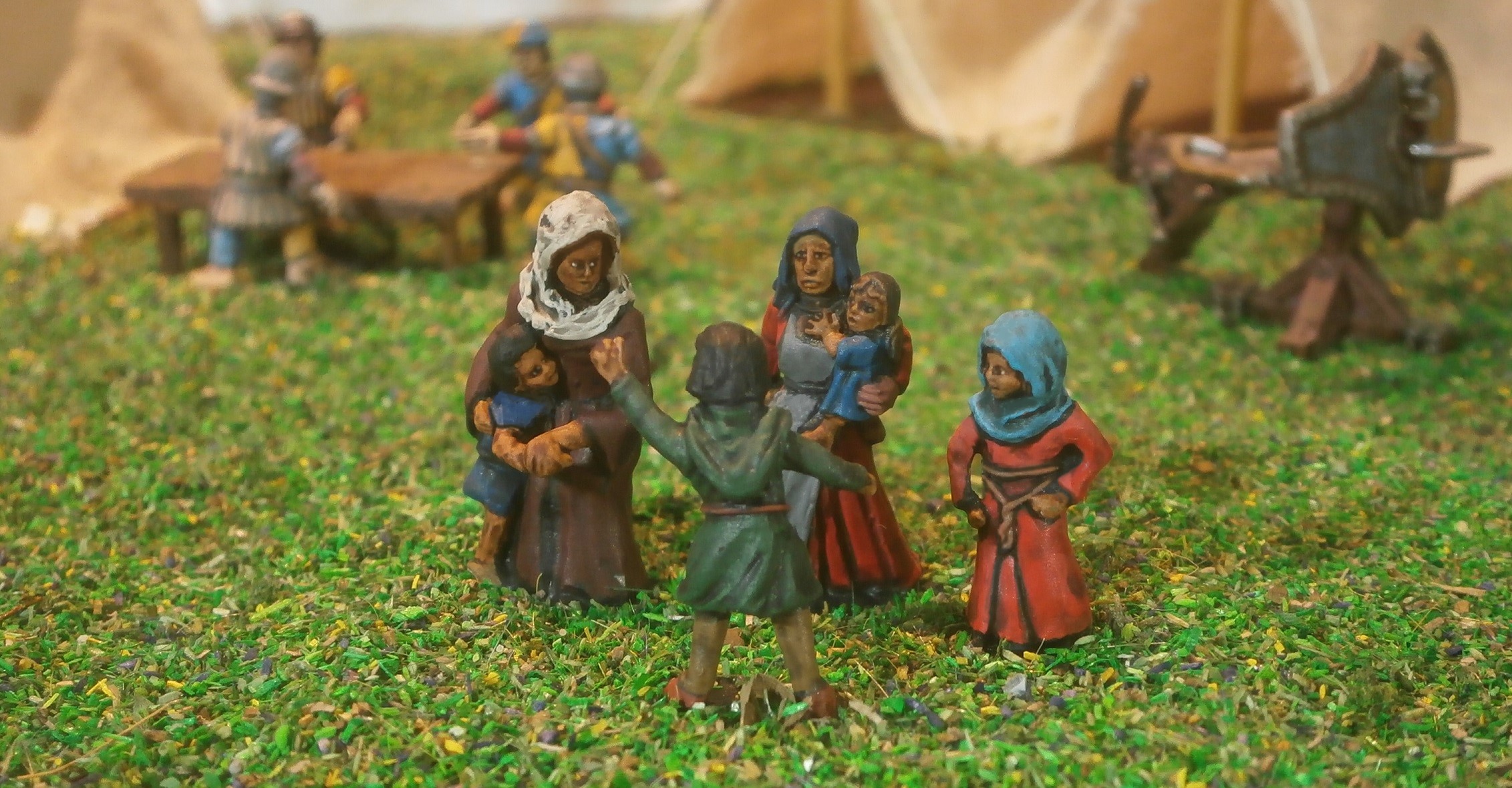
Aluino was struck by the fear on the little-ones’ faces and found himself muttering the words of a short prayer to Myrmidia – the only prayer to her he knew, as she was not a goddess that halflings worshipped very often – that they might be granted victory to save such innocents from harm. Not from the whining boy, of course, but from the evil ratmen. It was a concern that brought something to his mind.
“Silvano’s not himself, though, is he?” Aluino said.
Bettolo looked confused. “What do you mean? Of course he’s himself! Who else would he be?”
“I don’t think so,” said Aluino.
“Wait,” interjected Bettolo. “Are you saying there’s some sort of trickery going on, like how his supposedly almost dead father appeared to lead the army in battle at Casoli and then fought like a hero of myth and legend before he could be killed?”
“No, nothing strange like that,” said Aluino. “Just not acting like his usual self. Think on it. Throughout his adult life he’s been at the forefront of every fight against evil, joining every alliance, no matter how desperate, despite whatever his father was up to, even fighting wars. Yet now, just as we march off to face another great evil, suddenly he decides to stay back. It’s almost as if upon becoming duke he has become his father, changing from an eager youth seeking honourable adventure, to a slippery operator with obscure, cruel and likely selfish motives. There might be a few who still claim Silvano is not his father, but far more people would say an apple never falls far from the tree.”
Bettolo harrumphed, and Aluino suddenly felt a pang of guilt that his words might seem to be mocking. His voice took on a reassuring tone as he continued, “You said you hoped that Carjaval’s been ordered to help us fight the rats. That’s my hope too. I just happen also to fear that something else is afoot.”
“So, despite oath’s being sworn before priests and his holiness’s guidance, and Carjaval arriving to join us, we still might be at war?”
“Only a fool would assume the matter was settled, and the barone is no fool. I doubt even his holiness has much confidence in the agreement. Silvano may have played the hero all his life, but the signs were always there. Remember that mutiny at Viadaza? The one they called ‘The Incident’? And how Silvano was absolved of all responsibility by His Holiness Calictus? Well, I think that was just politics, because the Pavonans were needed for the war. I reckon Silvano had a hand in that trouble and knew full well how he might plausibly deny his involvement afterwards.”
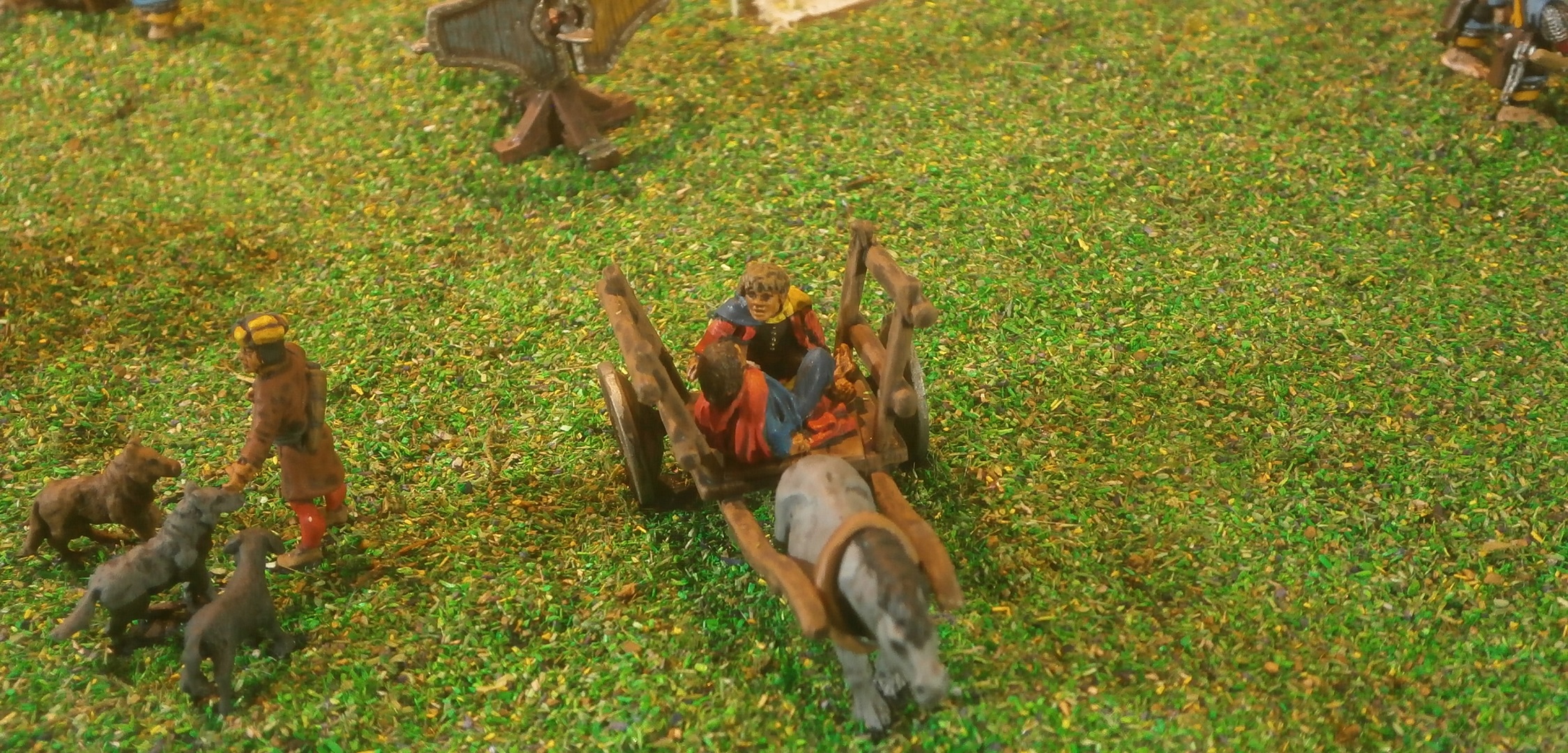
They could hear dogs yapplng and looked over to see a Verezzan labourer feeding something to a little pack. They weren’t the war dogs that the masters of the hounds had brought to join the army’s line of battle, but rather the kind of mutts that are always to be found in an army’s baggage trayne.
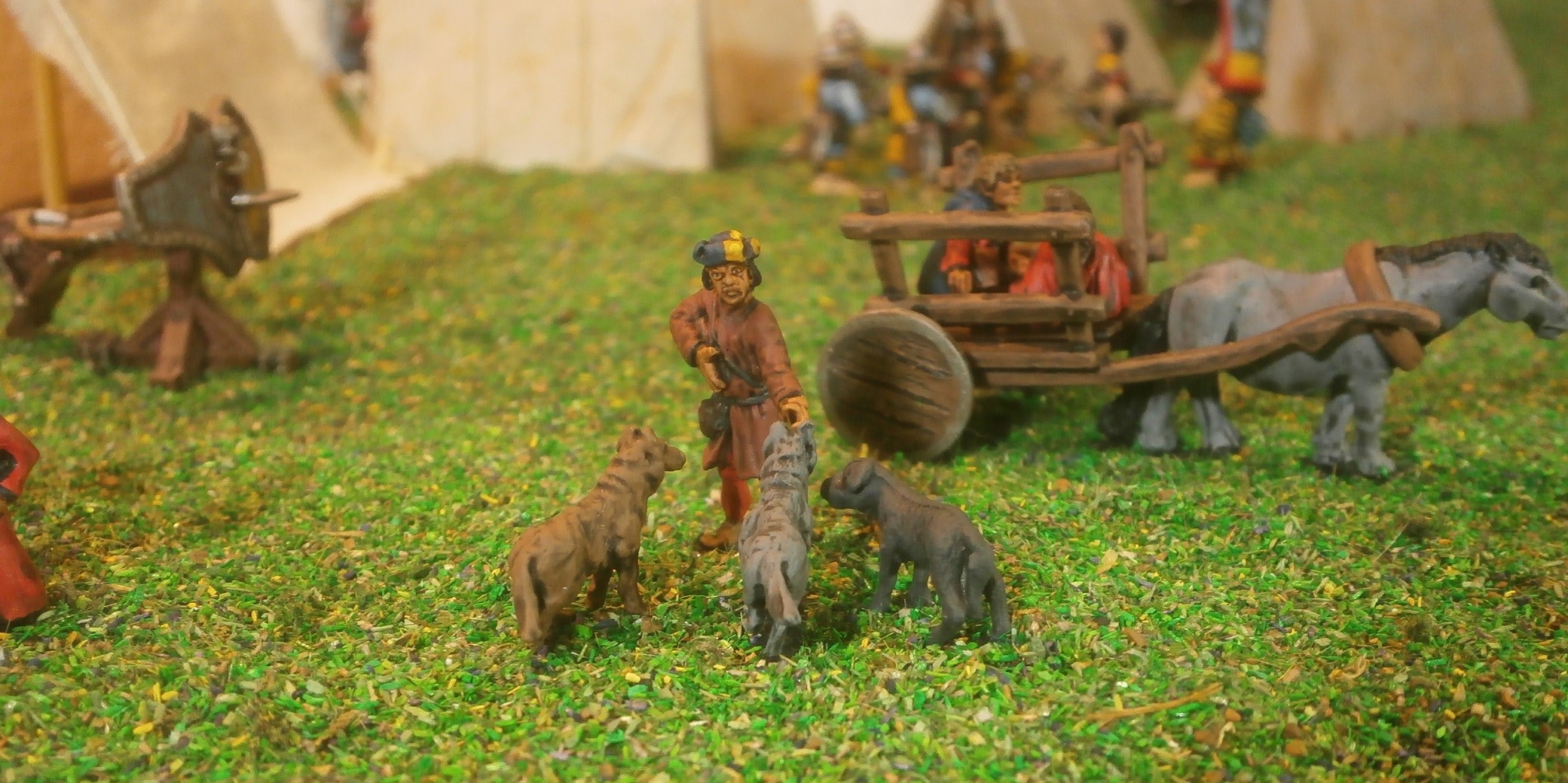
Such dogs were no unwelcome, indeed were encouraged, for they could live off the scraps thrown away by the soldiers and in return their extra eyes, ears and especially sensitive noses were a welcome early warning should enemies attempt to sneak up on the camp.
“Aluino,” said Bettolo. “You know I hate the Pavonans as much as any Verezzan, but that so-called mutiny was forgivable. Pavona had just been attacked by Boulderguts, while some of Boulderguts’ ogres were marching with the arch-lector’s army. What self-respecting soldier wouldn’t turn on enemies in their midst? And the Pavonans weren’t alone – tthe poor Campogrottans, tired of living under the Bouldergut’s tyrannical yoke, joined them. All either of them wanted was revenge on the ogres.”
Aluino was surprised to hear his friend apparently defending Pavonans.
“You might have a valid point there,” he said, “except Boulderguts had attacked Trantio, not Pavona – a place the Pavonans had themselves captured then subjected to their own tyranny. The ogres didn’t attack Pavona until months later.”
“Well, they were on their way to Pavona,” muttered Bettolo.
Aluino knew that from Trantio the ogres could have moved on to either Remas or Pavona, and at the time no-one knew which they would pick, but he was wary of contradicting his friend on every petty point.
“Fair enough,” he said. “The ogres did choose to attack them, which wasn’t the Pavonans’ fault. Nevertheless, Duke Guidobaldo had a real knack for making enemies over the years. He brutally conquered Astiano and Trantio, attacked and robbed Verezzo, and killed both Prince Girenzo de Medizi and Lord Lucca.”
He did not speak it, but it occurred to him now that the Pavonans had, however, always stayed friendly with the arch lector and Remas, even joining the Remans in the defence of their city. The wily duke must have realised he could not make enemies out of everyone.
Meanwhile, Bettolo seemed somewhat placated by his friend’s acquiescence.
“Look,” he said, “I know we can’t trust the Pavonans. So, with that in mind, if Carjaval is not here to help us plain and simple, why is he here? And what’s his new master, Silvano, doing?”
“I think at least some Pavonans had to join us. It is what their friend, the arch-lector wanted, and it proved they were outwardly willing the abide by the terms of the peace, in which Silvano gets his inheritance handed back to him. “
“So Carjaval is here just to play along?”
“Yes,” said Aluino. “But it’s not just that. Pavona’s not very far away. If we don’t stop the rats, then, just like Boulderguts’ great raid, it is likely to be their next target. If Silvano wants to enjoy his newly returned needs, he needs us to win.”
“Then why didn’t the young, brave duke join us, bringing his whole army?” asked Bettolo.
“Maybe he’s trying to have his cake and eat it? Sending just enough to help us gain victory, but keeping enough with him so that he can then beat us afterwards? It is just the sort of trickery his father would have tried.”
Bettolo laughed. “If that’s his plan, then he’s a fool! Look at the size of this army, even if you don’t count the Pavonans as a part of it. We’ll beat the rats, and when we return south, I reckon our army will still outnumber Silvano’s massively. Any treachery he has committed would be punished quickly and thoroughly. Even the arch-lector would turn against Pavona. It would be the end of the Gondi line!”
“And good riddance, too,” said Aluino. “Still, even if Silvano is unlikely to break the terms so openly, and so soon, it doesn’t mean we shouldn’t keep an eye on Carjaval, and every Pavonan with him.”
“Everyone is keeping an eye on them – Remans and Trantians included. If they break the terms of the peace agreement with some treacherous action, they’ll have made enemies of all of us.
“Let’s see what they do in battle,” suggested Aluino. “See if they help, hinder, or just stand there gawping while the rest of us fight.”
The notion that the Pavonans might not pull their weight in battle, or worse, might cause a disaster, put him in mind of the elves – how they had fled from two battles against this same verminous army, leaving their allies behind on both occasions to be butchered.
“The Pavonans might not be the only ones we can’t rely on in this battle,” he said. “What about the elves?”
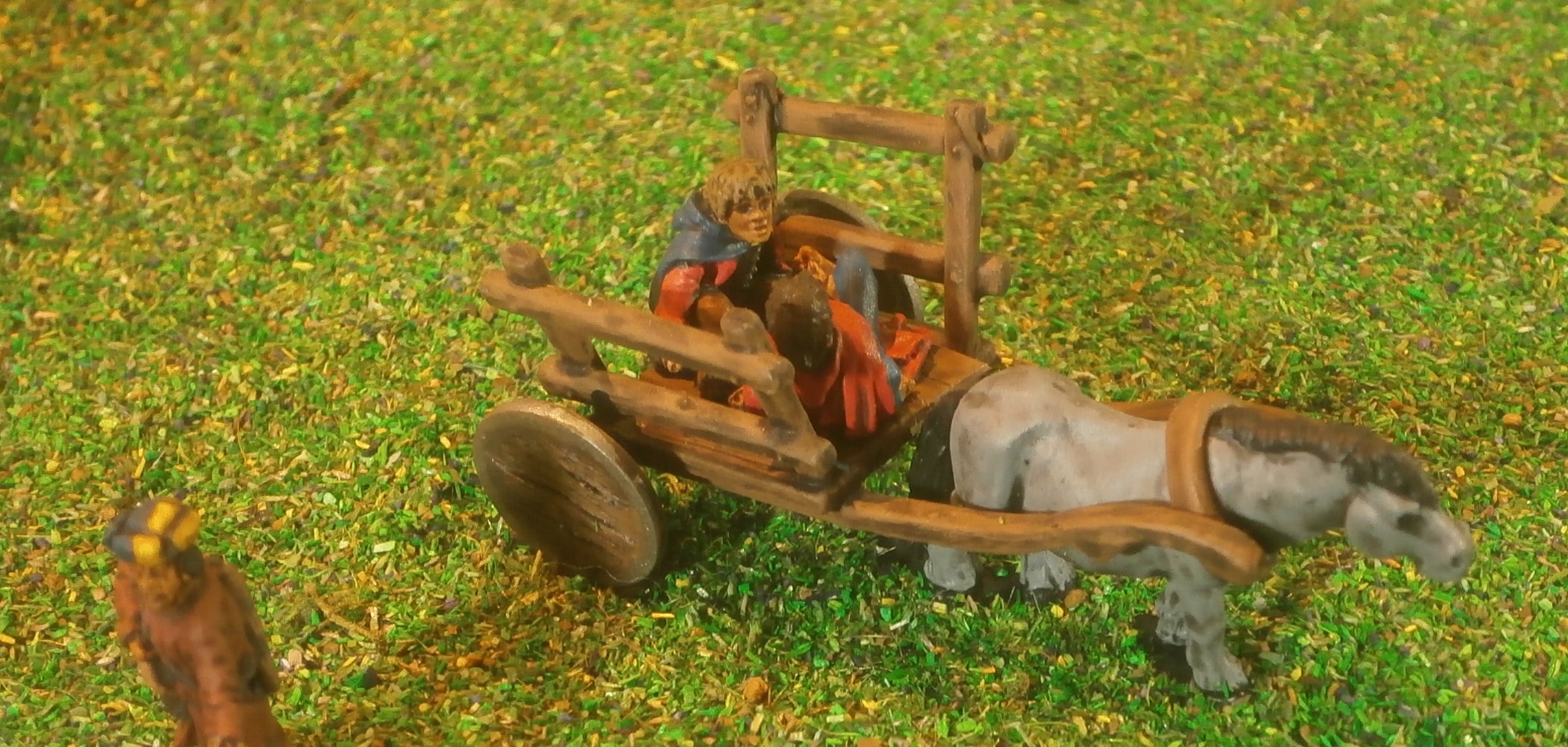
Bettolo pointed over at two halflings reclining on an unloaded cart, then waved.
“Ho, Posco. How goes it?”
Posco glanced over and waved back. “Well enough,” he cried, then went back to his discussion with his companion.
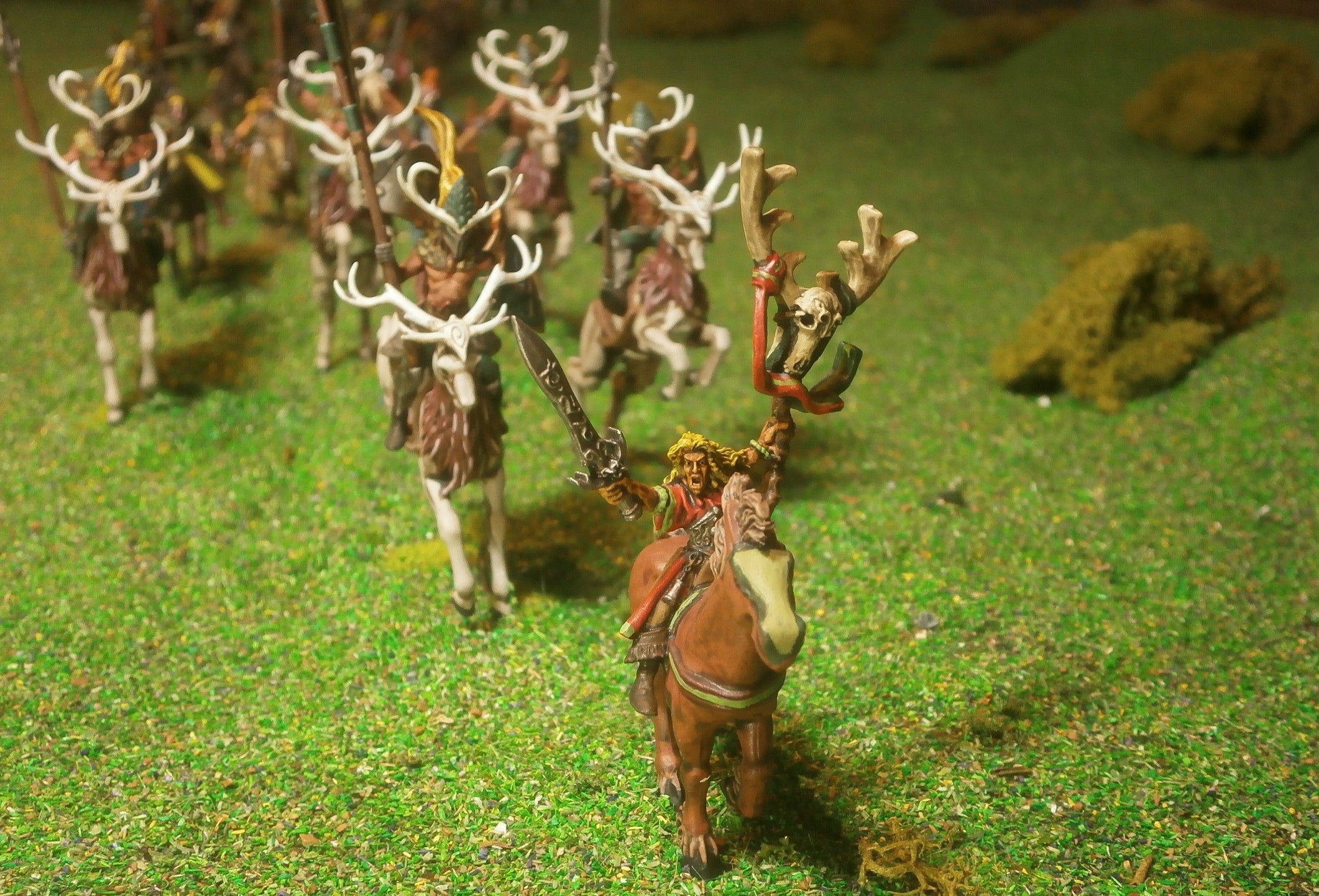
“A good fellow, that Posco,” said Bettolo. “He told me yesterday that he had spoken to one of the lads who carried the letter to the elves. Apparently, they travelled south with the elves for a while, before returning to report to the barone, and they said the elves are all mounted, every one of them, if not on horses then on giant hawks.
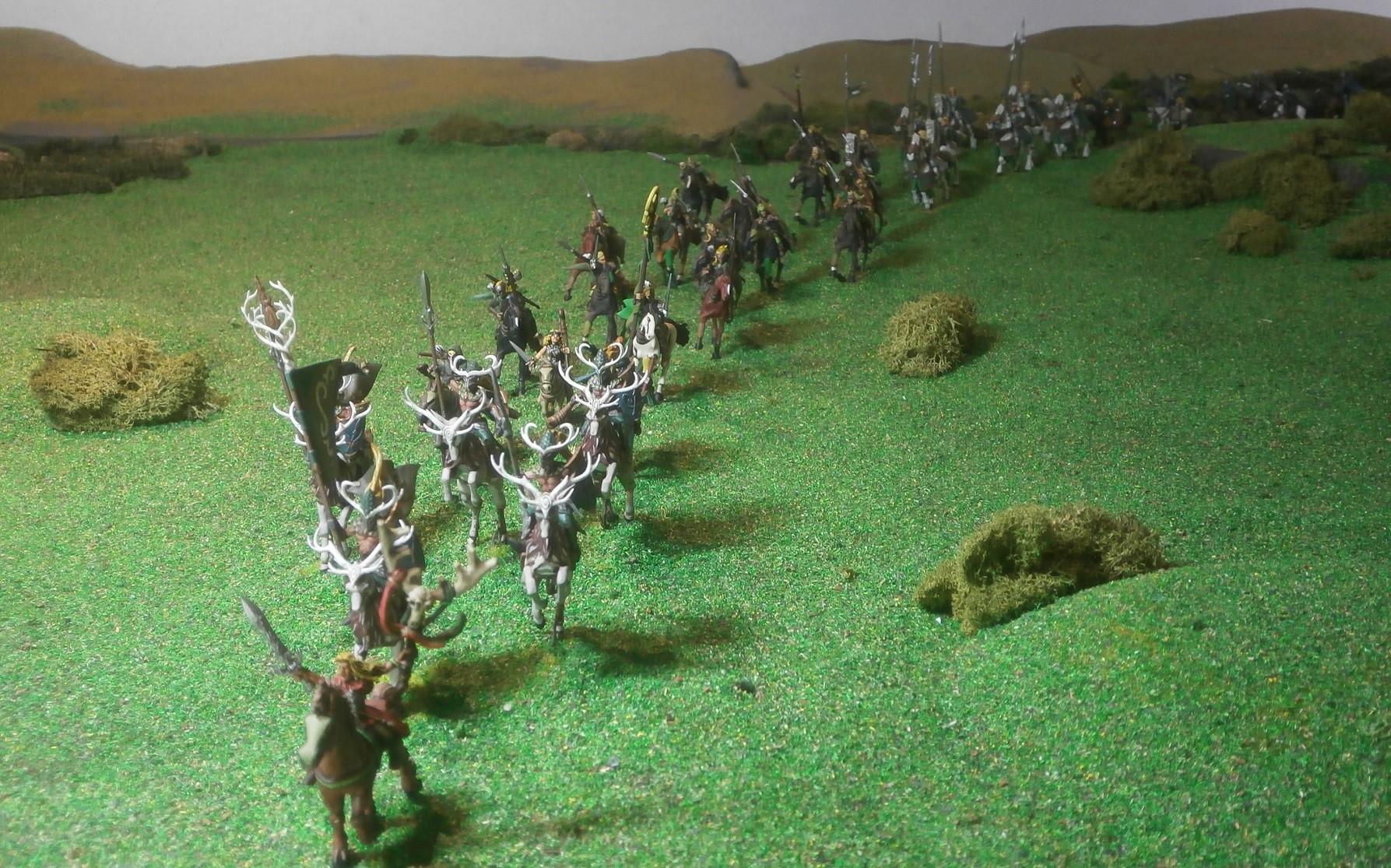
“A whole army of riders, moving way quicker than us.”
Aluino let loose a lip trill. “Oh, they’re quick, alright – quick to run away!”
“I’m not so sure they will this time. The messengers said they’re champing at the bit to fight, to salve their reputation. Maybe it’ll be third time lucky for them?”
“Maybe,” countered Aluino, “they’re bringing their proven bad luck to us? Disasters come in threes too!”
“Well, the barone must think they have something to offer,” suggested Bettolo. “He sent Marco’s ponies to tell them where to rendezvous with us, so he must want their help in the battle. They say there are none better with bows – that their captains can outshoot even the Petirosso!”
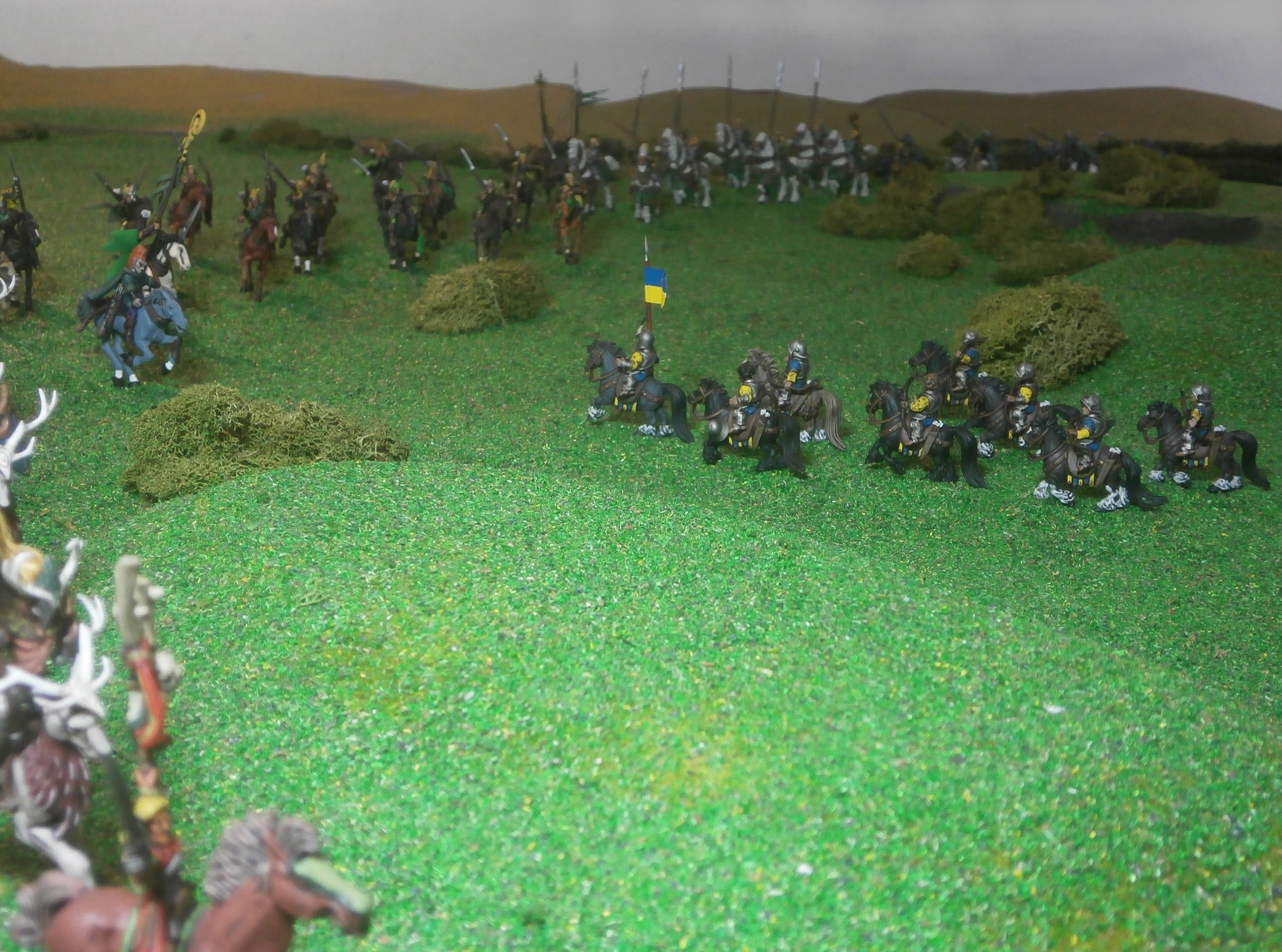
I wonder how the Remans feel about them joining us?” asked Aluino, a muttering quality to his words. “‘Twas their cousins and brothers who were killed to man in the last battle, while the elves fled away to the safety of their trees.”
Bettolo shrugged. “I supposed that’s another army we can watch during the battle then?”
“We can’t all stand their watching what each other do,” said Aluino. “Someone has to fight!”
A company of halberdiers appeared from between the tents and wheeled to move on a parallel course to the halflings.
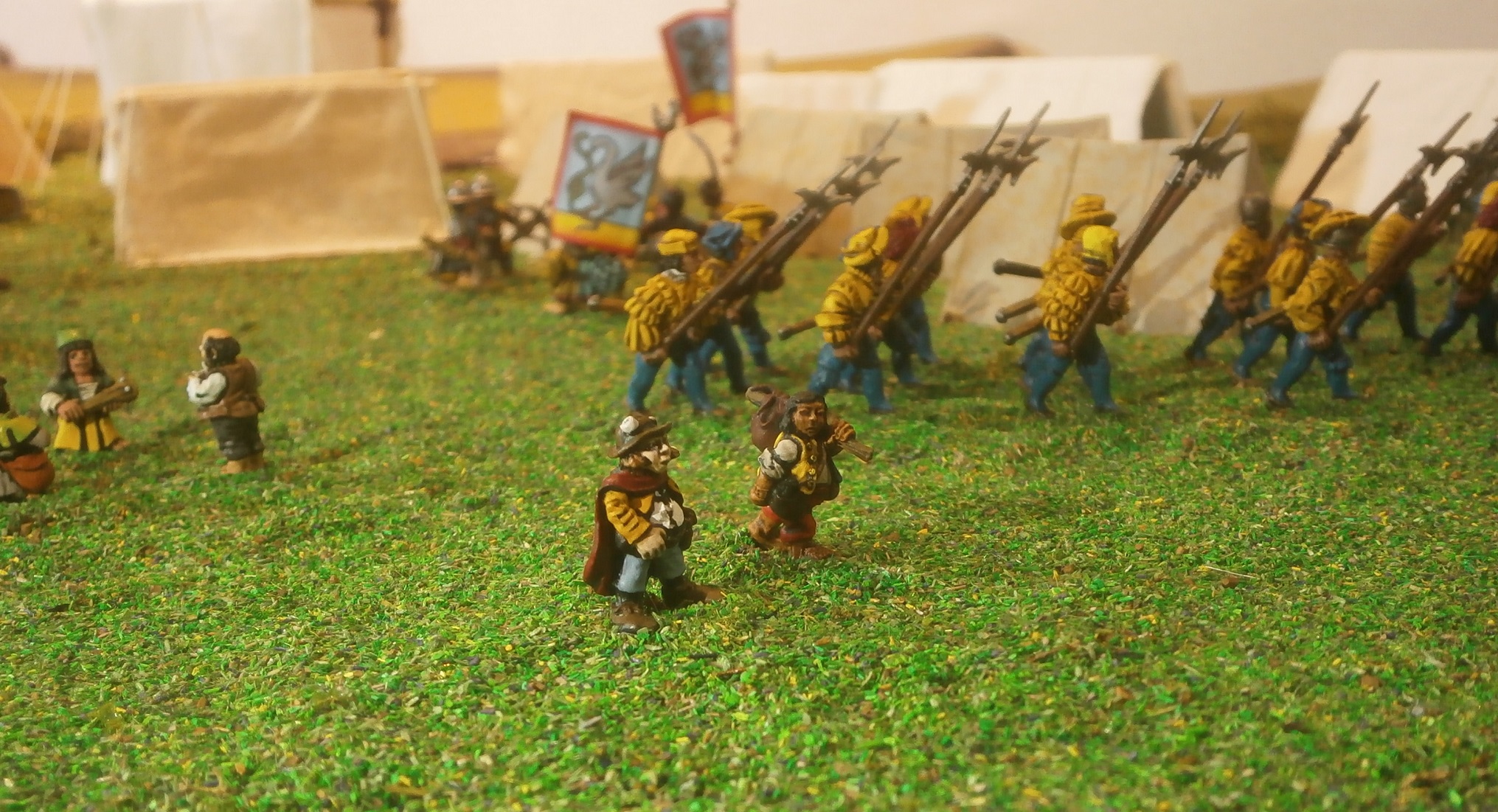
Aluino and Bettolo slowed a little, allowing the soldiers to move beyond them.
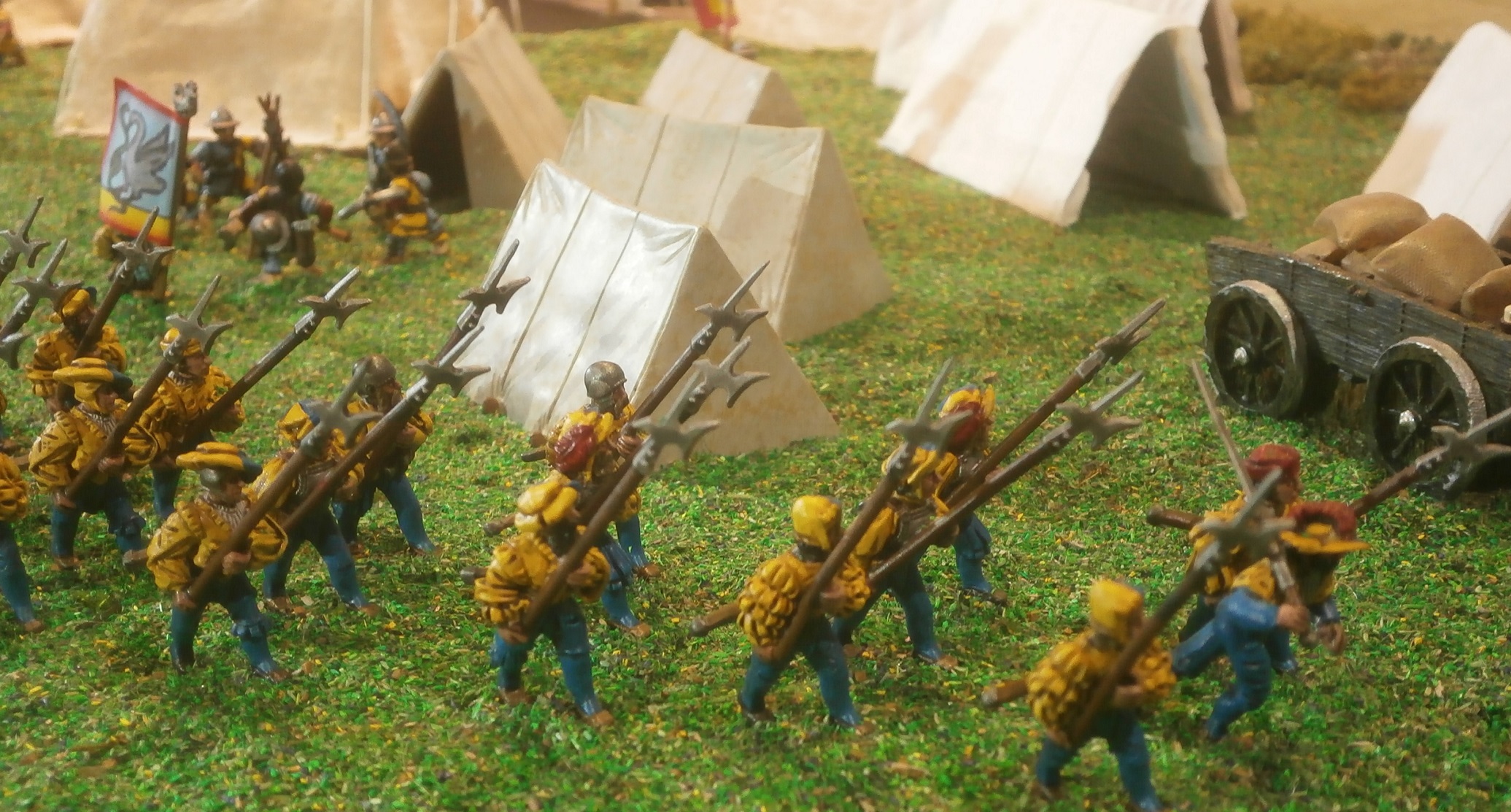
“Well, we’re certainly trying to get to them as quick as we can. now that we’re all together,” said Bettolo. “All this rush means we’re trying to put a stop to them as soon as possible.”
“It’s because of the mine at the centre of their camp. They’re up to no good, and the barone wants to nip their schemes in the bud.”
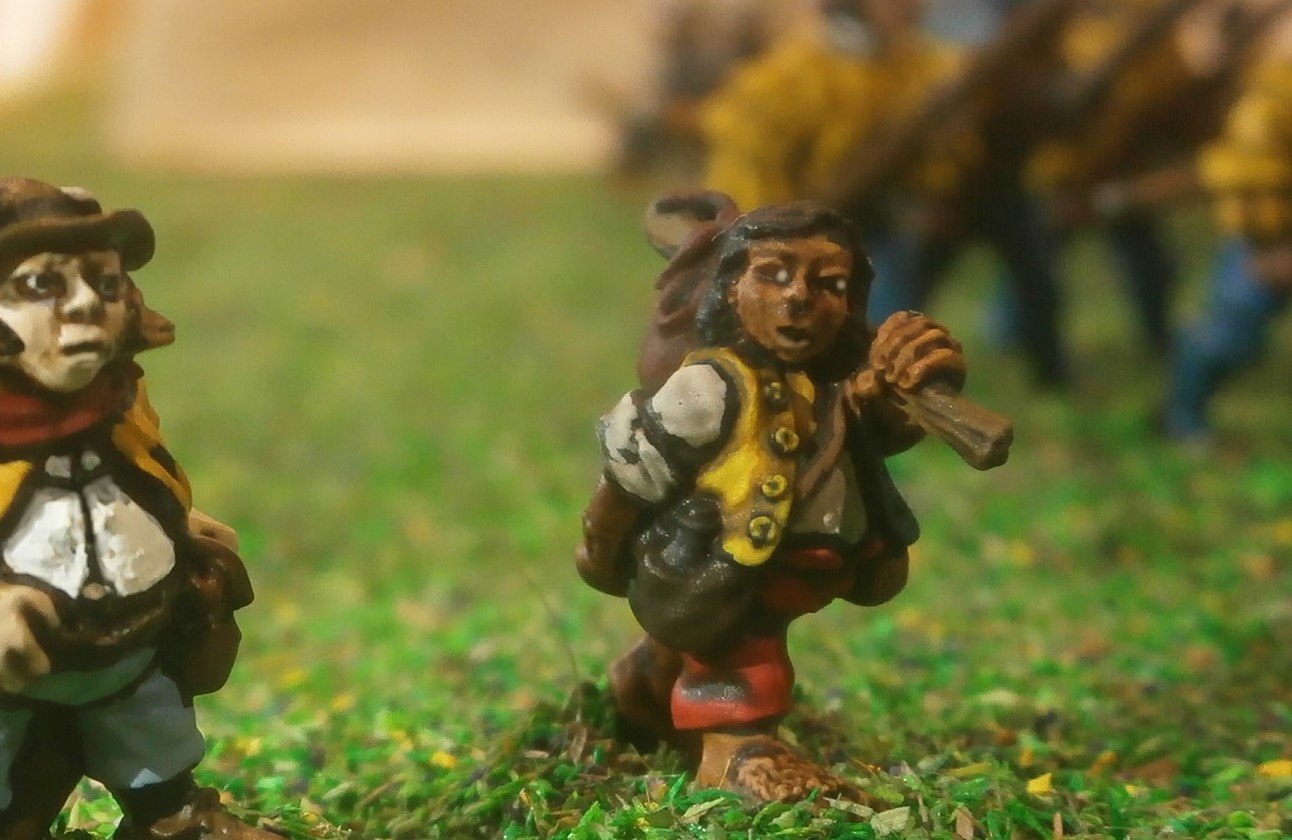
“Ain’t they always?” laughed Bettolo. “What is it they’re mining for?”
“Oh, I think we’ll find out soon. Let’s just hope it’s soon enough.”


